bathroom-designs
Vintage Vibes: Timeless Bathroom Designs That Never Go Out of Style
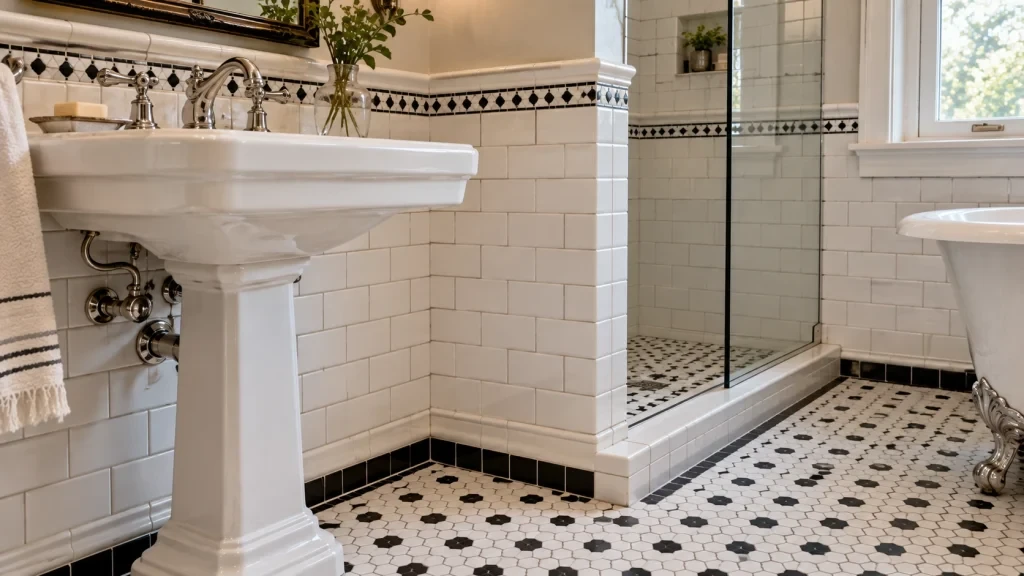
Vintage bathroom design blends classic fixtures, timeless tile patterns, and elegant colors with modern comfort. Find ideas for your next bathroom remodel.
Vintage bathroom design combines classic fixtures, distinctive tile patterns, traditional colors, and decorative details that remain appealing over time. By blending these elements with modern plumbing, lighting, and storage, homeowners can create bathrooms that feel timeless and function well for everyday life.
Whether you prefer Victorian elegance, Art Deco patterns, or farmhouse charm, the key is choosing details that complement each other. Thoughtful material selection and planning help create a bathroom that feels authentic without becoming outdated or difficult to maintain.
Timeless bathroom designs focus on balanced proportions, durable materials, and classic details rather than short-lived trends. Features such as subway tile, traditional faucets, pedestal sinks, and framed mirrors have remained popular because they suit different spaces and color schemes.
The best vintage bathrooms also balance decoration with practicality. Choose a few standout elements, such as patterned flooring or a clawfoot bathtub, and keep surrounding surfaces relatively simple. This approach creates character without making the room feel crowded.
Vintage bathroom ideas often begin with fixtures, tile, and accessories that reflect traditional design. Combining these elements carefully helps create a consistent appearance while supporting modern comfort.
Traditional fixtures help establish the character of a vintage bathroom. Look for curved faucet spouts, cross handles, exposed pipe details, and classic finishes such as polished chrome, brushed brass, or oil-rubbed bronze.
Choose finishes that complement your other materials. Chrome works well with black-and-white tile, while brass adds warmth to cream, sage, and pastel palettes.
Vintage bathroom hardware also includes towel bars, cabinet pulls, robe hooks, and shower controls. Matching these details creates a more cohesive appearance. Modern fixtures with traditional styling are often practical alternatives to original antiques because they use contemporary components.
Tile is one of the most recognizable features of vintage bathroom design. Classic patterns add character to floors, shower walls, and decorative areas.
Popular options include:
Consider slip resistance, water exposure, and cleaning requirements before selecting materials. Bathroom flooring should be suitable for wet conditions, not just visually appealing.
A clawfoot bathtub creates a distinctive focal point in Victorian and traditional bathrooms. Its raised feet, curved sides, and freestanding position give the room an unmistakably vintage character.
Modern freestanding tubs can provide a similar effect with updated shapes and finishes. Both options can work well when the bathroom has enough space for comfortable movement and cleaning.
Before choosing a bathtub, consider its dimensions, weight, plumbing connections, and floor support. A large tub may overwhelm a compact bathroom, while a smaller freestanding model can provide a classic look without consuming as much space.
Pedestal sinks are popular in vintage bathrooms because their simple, sculptural shapes create an open appearance. They work particularly well with traditional faucets, framed mirrors, and patterned flooring.
Their main limitation is storage. Toiletries and cleaning supplies may require separate shelves or cabinets.
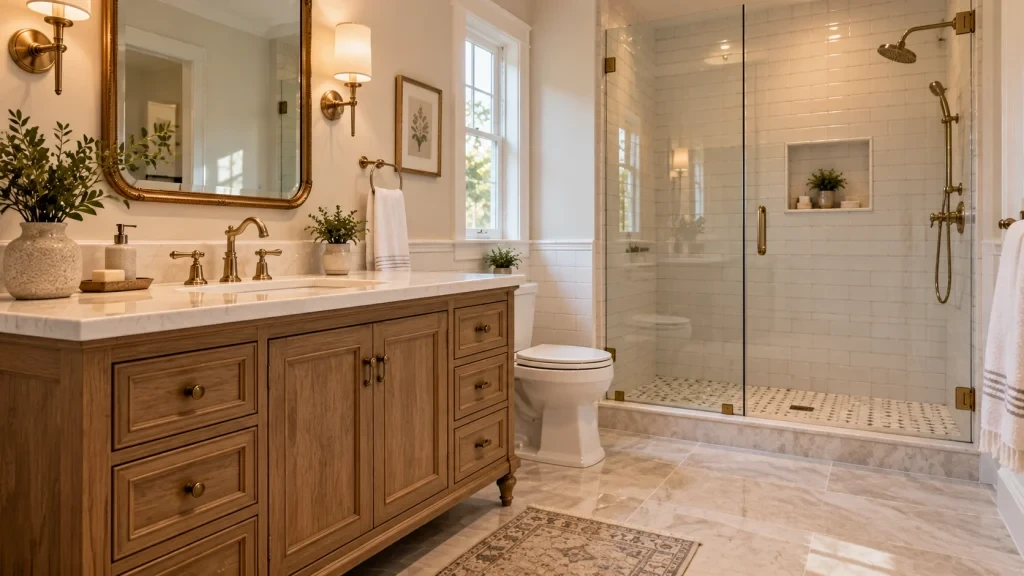
Furniture-style vanities offer a practical alternative. Look for paneled doors, decorative legs, traditional handles, or natural wood finishes. These details create vintage character while providing concealed storage and useful counter space.
Measure the available area carefully before selecting a sink or vanity. The fixture should complement the design without restricting movement.
Mirrors and lighting help complete a vintage bathroom. An arched mirror, an ornate frame, or a traditional rectangular design can reinforce the chosen style.
Wall sconces beside the mirror provide useful lighting for daily grooming. Ceiling fixtures add general illumination, while subtle accent lighting can highlight tile patterns or architectural details.
Choose fixtures rated for bathroom installation and appropriate for their location. Add a few decorative accessories, such as ceramic containers or vintage-inspired artwork, rather than filling every surface with ornaments. A restrained approach keeps the room attractive and easier to clean.
Vintage bathroom design includes several distinct styles. Understanding their differences helps you select fixtures, colors, and materials that work together.
Victorian bathroom design emphasizes decorative details, traditional silhouettes, and elegant finishes. Clawfoot tubs, pedestal sinks, ornate mirrors, and detailed hardware are common choices.
A modern Victorian-inspired bathroom might combine a freestanding tub with white subway tile, polished brass faucets, and a patterned floor. Soft cream or muted green can balance the more elaborate details.
You do not need ornate decoration throughout the room. A statement mirror or traditional bathtub can establish the style while simpler surfaces keep the design from feeling overwhelming.
Art Deco bathrooms use symmetry, geometric shapes, and contrasting finishes to create a distinctive appearance. Black-and-white tile, stepped mirror frames, streamlined fixtures, and metallic accents are useful design features.
For a balanced result, pair patterned flooring with simple walls and understated cabinetry. Brass or chrome can add contrast without competing with the tile.
This style suits homeowners who want vintage character with a structured, polished appearance. Modern storage and lighting can fit naturally into the design.
Mid-century modern bathrooms favor clean lines, practical layouts, and natural materials. Warm wood cabinetry, simple mirrors, geometric tile, and restrained hardware help create this look.
Muted green, pale blue, and earthy tones can introduce retro character without overwhelming the space. Choose fixtures with simple shapes and avoid excessive ornamentation.
This style is particularly useful when you want a vintage-inspired bathroom that feels uncluttered and contemporary. Natural textures and carefully selected colors provide character without requiring elaborate decoration.
Farmhouse vintage bathrooms combine traditional fixtures with relaxed, natural finishes. White tile, wood accents, classic faucets, and furniture-inspired vanities create a comfortable atmosphere.
Black hardware can add contrast, while aged brass introduces warmth. Neutral walls and simple patterns help maintain a balanced appearance.
Choose bathroom-appropriate materials when incorporating wood or other natural textures. Effective ventilation and suitable finishes are important for protecting surfaces from moisture.
Color helps define the mood of a vintage bathroom. Black and white create a crisp, traditional appearance, particularly when paired with hexagonal flooring, subway tile, and chrome fixtures.
Soft pastels such as pale blue, mint green, dusty rose, and sage offer a gentler retro look. These shades work well with white surfaces and traditional hardware.
Warm neutrals, including cream, beige, and warm gray, create a flexible foundation. Brass or bronze fixtures add depth, while natural wood brings warmth.
Choose one main color and a small number of complementary finishes. Test paint and tile samples under your bathroom’s actual lighting before making final decisions.
A vintage appearance does not require outdated plumbing or limited storage. Modern products and construction methods can preserve traditional character while improving everyday function.
Consider these practical decisions:
Waterproofing deserves particular attention around showers and bathtubs.
Budgeting is equally important. Material choices, plumbing changes, fixture quality, and the size of the project affect the final cost. Keeping the existing layout may limit construction work, while relocating plumbing can add complexity.
Vintage bathroom design brings lasting character through traditional fixtures, patterned tile, classic colors, and carefully chosen accessories. You can achieve the look without recreating an entire historical bathroom or sacrificing modern comfort.
Focus on a clear style, select durable materials, and plan plumbing, lighting, storage, and moisture protection before construction begins.
If you’re considering a vintage-inspired bathroom renovation in Southern California, Home Renew 360’s bathroom remodeling services can help you explore options suited to your space and goals.
Traditional, Victorian, Art Deco, mid-century modern, and farmhouse styles can remain appealing when they use balanced layouts, durable materials, and cohesive finishes. Classic tile and quality fixtures also help a bathroom retain its character over time.
Yes. Modern vintage-inspired fixtures combine traditional appearances with contemporary components. Check their durability, installation requirements, maintenance needs, and replacement-part availability before purchasing.
Use hexagonal floor tile, traditional faucets, a framed mirror, and light colors. A compact vanity can provide storage without making the room feel crowded. Choose a few defining details rather than decorating every surface.
Yes. Pair traditional fixtures and tile with modern plumbing, ventilation, waterproofing, and storage. Consistent colors and finishes help vintage and contemporary elements work together naturally.