Cool roofs can lower summer air-conditioning bills by reflecting more sunlight and absorbing less heat than conventional roofing materials. However, savings depend on your climate, roof design, insulation, and cooling habits. For Southern California homeowners, the right cool roof may improve indoor comfort and reduce cooling demand, but results vary by property.
Understanding how cool roofs work, which materials are available, and their potential trade-offs can help you decide whether this upgrade is worthwhile.
What Is a Cool Roof and How Does It Work?
A cool roof is designed to reflect more sunlight and release absorbed heat more effectively than a conventional roof.
Two properties influence its performance:
- Solar reflectance: How much sunlight the roof reflects.
- Thermal emittance: How effectively the roof releases absorbed heat.
Dark, conventional roofs can absorb substantial solar energy, warming the roof deck and potentially increasing heat transfer into the home. A cool roof can reduce this heat gain and help limit air-conditioning demand.
However, roofing is only one part of a home’s energy performance. Insulation, ventilation, windows, and air leaks also affect indoor temperatures.
Do Cool Roofs Actually Lower Summer AC Bills?
Yes, cool roofs can reduce air-conditioning costs, particularly in homes exposed to long, hot, sunny summers. By limiting heat absorption, they may reduce the amount of heat entering the building and the energy needed to maintain comfortable temperatures.
Actual savings depend on the existing roof, local weather, insulation, and air-conditioning efficiency. A poorly insulated home may benefit more than a well-insulated home that already limits roof-related heat gain.
A cooler roof does not automatically mean a significantly lower electricity bill. The benefit depends on how much the roof contributes to the home’s cooling needs.
How Cool Roofs Compare to Traditional Roofing Materials
Cool roofs differ from conventional roofs in their ability to reflect sunlight and release heat. Some traditional roofing products are available in reflective versions, so performance depends on the product rather than appearance alone.
Reflective Roofing vs. Conventional Shingles
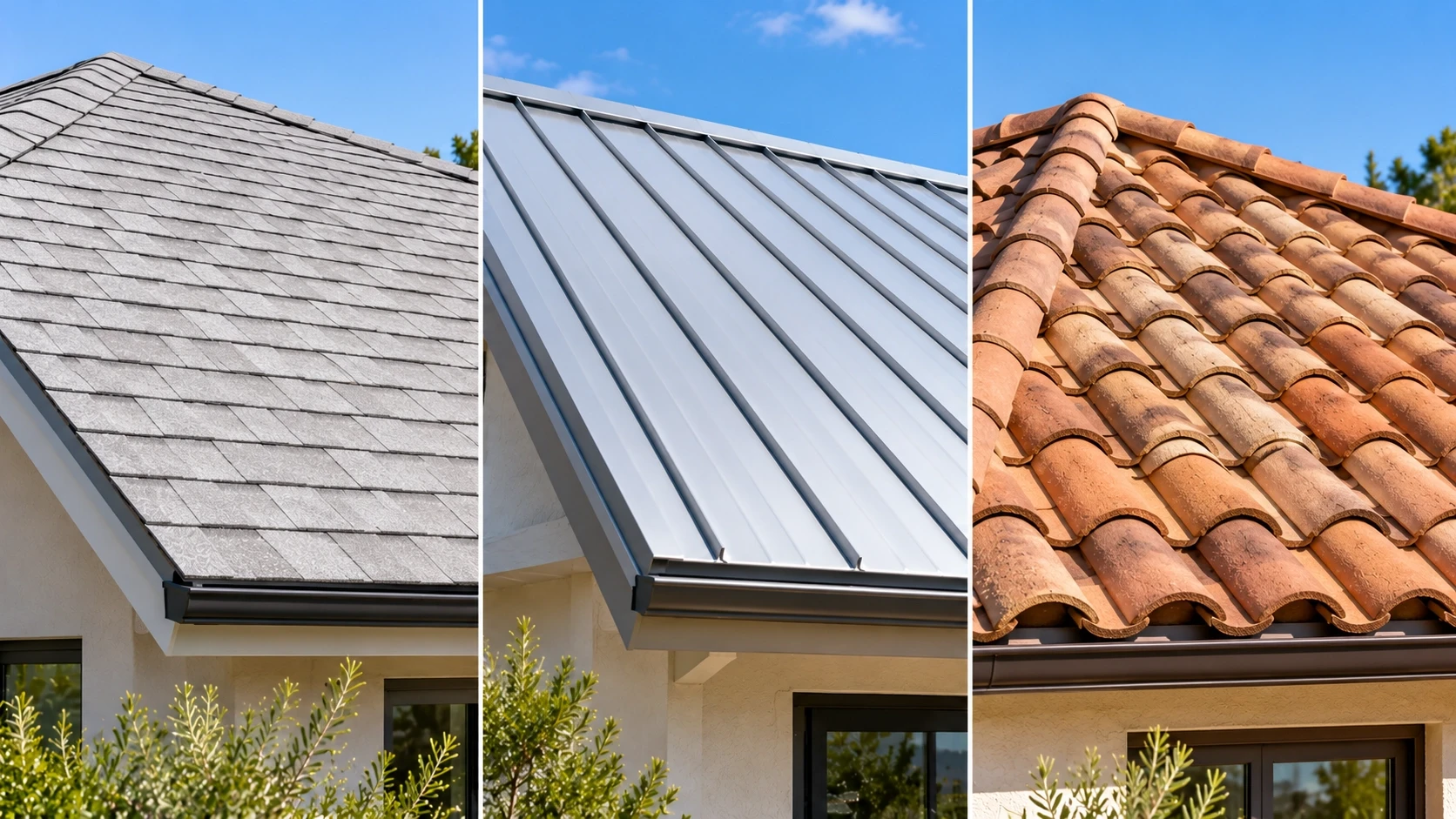
Conventional asphalt shingles come in various colors, including dark shades that absorb substantial sunlight. Cool roof shingles use specially designed surfaces or granules to reflect more solar energy.
Reflective shingles may help reduce roof temperatures and cooling demand. When comparing products, check their performance ratings, durability, warranty terms, and compatibility with your roof instead of relying on color alone.
Cool Roof Coatings vs. Cool Roofing Materials
Cool roof coatings are reflective products applied to compatible roofing surfaces. They may be suitable for certain existing metal or flat roofs.
Cool roofing materials, on the other hand, are manufactured with properties designed to improve solar reflectance.
Coatings can be useful when an existing roof is in good condition, but they cannot fix structural damage or unresolved leaks. Surface preparation and product compatibility are essential.
Which Roofing Materials Are Best for Cool Roofs?
The best roofing material depends on roof slope, architectural style, climate, budget, and maintenance needs. Compare product ratings, durability, and installation requirements before choosing.
Cool Asphalt Shingles
Cool asphalt shingles provide a familiar appearance while offering improved solar reflectance compared with some conventional shingles.
They come in different styles and colors, making them suitable for many sloped roofs. Look for products specifically rated for cool roof performance rather than assuming every light-colored shingle offers the same benefits.
Proper installation, flashing, and attic ventilation remain important for durability.
Reflective Metal Roofing
Reflective metal roofing can reduce solar heat absorption when it has a suitable finish. Metal roofs are available in different profiles and colors, allowing homeowners to balance appearance and performance.
However, metal roofing is not automatically a cool roof. Its reflective properties, installation quality, and maintenance requirements should all be considered before making a decision.
Tile Roofing and Cool Roof Options
Clay and concrete tiles are common in Southern California and are available in various colors and finishes. Some products offer reflective properties that can support cool roof performance.
Tile roofing may also incorporate air spaces beneath the tiles, depending on the installation design. These spaces can influence heat transfer but do not replace proper insulation and ventilation.
Before upgrading, assess the tiles, underlayment, flashing, and supporting structure.
Flat Roof Membranes and TPO Roofing
Flat and low-slope roofs often use specialized materials. Thermoplastic polyolefin (TPO) is a single-ply roofing membrane commonly used for these applications, and many products have reflective surfaces.
Performance depends on the complete roofing system, including seams, drainage, insulation, and installation quality. Other membrane options may also offer reflective properties.
Home Renew 360 provides roofing services that include asphalt shingles, tile, flat, metal, and TPO roofing.
What Are the Pros and Cons of Cool Roofs?
Cool roofs offer several potential benefits, but their suitability depends on the property.
Potential benefits:
- Lower cooling demand: Reduced heat absorption may decrease air-conditioning use.
- Improved comfort: Less heat transfer through the roof may help upper rooms stay cooler.
- Energy efficiency: Reduced cooling needs can support broader home energy-efficiency goals.
- Material choices: Reflective options exist for several roofing systems.
Potential drawbacks:
- Variable savings: Results depend on climate, insulation, and cooling habits.
- Upfront costs: Replacing a serviceable roof solely for energy savings may not be worthwhile.
- Winter trade-offs: Reduced solar heat absorption can increase heating demand in some buildings.
- Product limitations: Not every coating or roofing material offers the same performance.
- Installation requirements: Poor installation or incompatible coatings can cause durability problems.
If your roof already needs replacement, comparing conventional and reflective products may be more practical than replacing a roof solely to reduce cooling bills.
How to Choose the Right Cool Roofing Option for Your Home
Choosing a cool roof starts with understanding your home’s condition and energy needs.
*1. Assess your existing roof:* Check for leaks, damaged materials, and aging underlayment. A roof inspection checklist can help you identify issues that need attention.
*2. Compare materials:* Review reflective shingles, metal, tile, and flat roof membranes based on roof design, appearance, and product ratings.
*3. Consider replacement costs:* Compare installation expenses with potential long-term benefits using this California roof replacement cost guide.
*4. Check available incentives:* Review the California cool roof rebate guide and confirm current eligibility before budgeting for a rebate.
*5. Evaluate the whole home:* Insulation, ventilation, air sealing, and window performance also affect indoor comfort.
For Southern California homeowners, the goal is to find a durable, compatible roofing system that balances cooling performance, appearance, maintenance, and long-term value.
Conclusion
Cool roofs can lower summer AC bills by reflecting sunlight and reducing heat absorption, but the savings depend on your home’s design, insulation, climate, and cooling habits.
Reflective shingles, metal roofing, tile products, and TPO membranes are all worth considering when they suit the building. The best choice is one that meets your home’s needs without unnecessary expense.
Home Renew 360 can help you explore roofing options for your property. Assess your existing roof and compare suitable materials before deciding whether a cool roof is the right investment.