bathroom-waterproofing
The Ultimate Guide to Waterproofing: Preventing Mold in Your California Bathroom Remodel
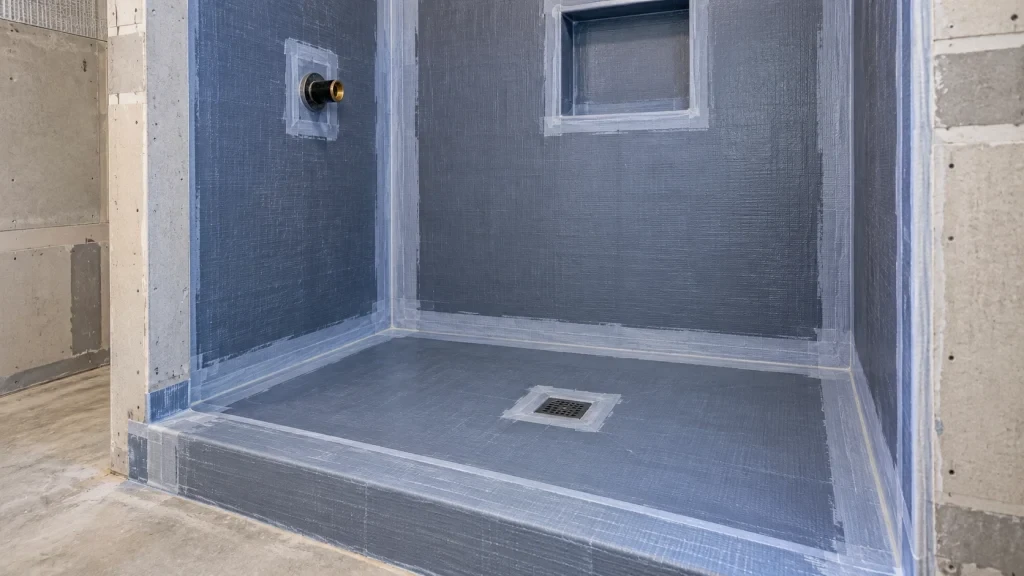
Bathroom waterproofing helps prevent mold and water damage. Learn about shower membranes, suitable materials, California requirements, & maintenance.
Bathroom waterproofing helps prevent water from reaching walls, floors, and other building materials where moisture can cause damage and mold growth. During a bathroom remodel, a properly installed waterproofing system protects vulnerable surfaces and helps maintain a healthier indoor environment.
California homeowners should pay close attention to showers, bathtub surrounds, plumbing connections, and areas exposed to frequent splashes. Understanding the right materials, installation requirements, and maintenance practices can help you avoid expensive repairs.
Bathrooms experience regular exposure to water, steam, and humidity. Without effective moisture protection, water can penetrate building materials, damage finishes, and create conditions that support mold growth.
Waterproofing is especially important behind shower tiles and around plumbing fixtures. These areas can hide leaks until homeowners notice loose tiles, damaged drywall, or persistent musty odors. By then, repairs may require removing finished surfaces and replacing affected materials.
California homes also vary in age, construction methods, and ventilation. Older bathrooms may have deteriorating seals, aging plumbing, or outdated moisture barriers. Coastal conditions can add moisture challenges in some locations, although indoor water exposure and ventilation remain important factors in every bathroom.
A well-planned bathroom remodeling project should address waterproofing before new tile, flooring, and fixtures are installed. This approach helps protect the finished space and reduces the risk of concealed water damage.
Bathroom mold usually develops when moisture remains on surfaces or inside building materials long enough to support growth. Identifying the source of that moisture is essential for effective prevention.
Loose plumbing connections, worn faucet seals, damaged supply lines, and leaking drains can allow water to collect behind walls or beneath floors. Even small leaks may cause significant damage when they continue unnoticed.
During remodeling, inspect accessible plumbing before closing walls or installing new finishes. Replace damaged components and address leaks rather than covering them with new materials.
Hot showers release moisture into the air. Without adequate ventilation, humidity can settle on ceilings, walls, mirrors, and other cool surfaces.
Repeated condensation encourages mold growth, particularly in poorly ventilated corners. An appropriately sized exhaust fan and consistent ventilation can help remove humid air before moisture accumulates.
Cracked grout, deteriorated caulk, and gaps around fixtures can allow water to enter vulnerable areas. However, grout is not a substitute for a waterproofing membrane.
Replacing damaged grout or caulk may resolve minor surface problems, but it will not fix a failed waterproofing system beneath the tile. Persistent leaks require a closer inspection to identify the actual source.
Water can travel through gaps, poorly sealed penetrations, and improperly installed waterproofing systems. Once moisture reaches drywall, wood framing, or other susceptible materials, damage may remain hidden.
A musty smell or recurring discoloration can indicate a concealed problem. Investigating early helps homeowners avoid unnecessary demolition and more extensive repairs.
Effective bathroom moisture protection depends on treating the areas most exposed to water and ensuring their connections form a continuous system.
Shower walls need a suitable waterproofing system beneath the tile or other finish. The shower floor also requires a compatible waterproofing assembly that directs water toward the drain.
Pay particular attention to corners, transitions, and the connection between the shower floor and walls. Small gaps in these locations can undermine the entire system.
Bathroom floors experience splashes, spills, and occasional plumbing leaks. Waterproofing requirements depend on the floor assembly, applicable codes, and the areas exposed to water.
Where a waterproof membrane is specified or appropriate, it should connect correctly with drains and adjoining surfaces. Proper floor preparation and installation also help prevent moisture from reaching the subfloor.
Bathtub surrounds require moisture protection wherever walls regularly encounter splashes. Waterproofing should extend across the intended wet area and integrate with the tub’s installation details.
Pay close attention to the junction between the tub and surrounding walls. Use compatible sealing materials as specified by the system manufacturer.
Inside corners, shower niches, bench seats, and pipe openings require careful detailing. These locations interrupt otherwise continuous surfaces and can become weak points if they are not sealed correctly.
Use compatible tapes, prefabricated corners, sealants, or other components required by the chosen waterproofing system. Follow the manufacturer’s installation instructions to maintain continuity throughout the assembly.
The right bathroom waterproofing materials depend on the surface, expected water exposure, and installation method. Products must work together as a complete system rather than as unrelated layers.
Sheet membranes are flexible waterproof layers installed over prepared surfaces. Installers seal seams and transitions according to the manufacturer’s instructions to create a continuous barrier.
Liquid waterproofing membranes are applied with a brush, roller, or other specified tool. They cure into a waterproof layer when installed at the required thickness and under suitable conditions.
Both methods can work well when properly specified and installed. The choice depends on the substrate, project design, drain details, and compatibility with the tile installation system.
Cement backer boards and other approved tile substrates provide stable surfaces for tile installation. However, not every backer board is inherently waterproof.
Some boards require a separate membrane, while certain products incorporate waterproofing features. Always verify the product specifications before installation.
Preparing the substrate correctly is equally important. Surfaces should meet the system’s requirements for cleanliness, stability, and flatness before waterproofing begins.
The shower pan collects water and directs it toward the drain. Its waterproofing system must integrate with the drain assembly to prevent leakage beneath the finished floor.
The installer must also establish the required slope toward the drain. Standing water can indicate poor drainage or installation problems.
Follow the shower system’s instructions for membrane connections, drain compatibility, and required testing. Never assume that a finished tile surface alone provides adequate protection.
Grout fills joints between tiles, while sealants accommodate movement at selected transitions and changes of plane. Neither replaces the waterproofing layer beneath the finished surface.
Choose products compatible with the tile, substrate, and waterproofing system. Some grout products also require periodic sealing, depending on their composition and manufacturer instructions.
Moisture-resistant finishes can improve durability, but they do not compensate for missing waterproofing or persistent leaks.
Bathroom remodeling projects in California must account for applicable building codes, local requirements, and the conditions of the existing home. Material selection should also reflect the bathroom’s intended use and exposure to water.
Waterproofing requirements depend on the project scope, applicable code provisions, and the type of installation. Shower construction, drainage, plumbing alterations, and other work may involve specific requirements.
Consult the relevant local building department when permits or inspections may be necessary. The California Building Standards Commission provides information about California building standards.
Do not assume that one waterproofing method satisfies every installation requirement. Verify the applicable provisions and follow the product manufacturer’s approved instructions.
Select materials based on their intended application, compatibility, and durability. A product suitable for a bathroom floor may not be appropriate for a shower pan or a continuously wet wall.
Before purchasing materials, confirm that the membrane, substrate, drain, adhesives, and finishes are designed to work together. Avoid mixing products from different systems unless compatibility is established.
Consider the bathroom’s layout, maintenance needs, and exposure to daily use. These factors help determine which installation approach offers suitable protection.
Older bathrooms may contain deteriorated plumbing, damaged substrates, or previous repairs that concealed moisture problems. A remodel provides an opportunity to inspect these areas before installing new finishes.
Check for soft flooring, damaged wall materials, leaking connections, and signs of previous water intrusion. If mold is present, address its moisture source and arrange appropriate remediation when needed.
Homeowners planning broader updates can also review these common bathroom remodeling mistakes to understand why preparation and proper installation matter.
Bathroom waterproofing costs vary according to the size of the wet area, the materials selected, the condition of existing surfaces, and the complexity of the installation. A small shower may require less work than a bathroom undergoing a complete renovation.
Labor, demolition, substrate repairs, plumbing changes, drain modifications, and inspection requirements can also affect the final price. Hidden water damage may increase costs if contractors discover deteriorated framing or other affected materials after removing old finishes.
For an existing bathroom, the cost may be lower when suitable surfaces and plumbing remain in good condition. However, replacing a failed waterproofing system often requires removing tile and rebuilding affected areas.
Homeowners can compare the broader expenses involved in a bathroom remodel in Long Beach when budgeting for a renovation.
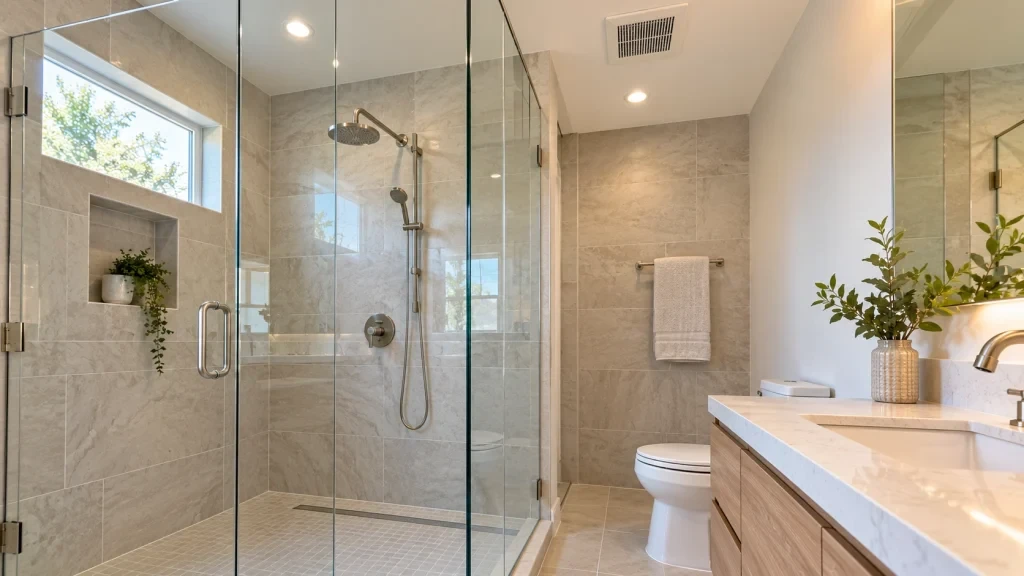
Proper installation provides the foundation for moisture protection, but regular maintenance helps preserve the bathroom’s condition.
Use these practical habits:
Clean bathroom surfaces regularly and dry areas that remain damp. The U.S. Environmental Protection Agency’s mold cleanup guidance explains why controlling moisture is central to mold prevention.
If mold repeatedly returns, cleaning the visible growth alone may not solve the problem. Find and correct the underlying moisture source before making cosmetic repairs.
Bathroom waterproofing is an essential part of a durable bathroom remodel. A continuous waterproofing system, properly detailed shower areas, compatible materials, and effective ventilation all help reduce the risk of moisture damage and mold growth.
California homeowners should also consider existing plumbing conditions, applicable building requirements, and the long-term maintenance needs of their chosen materials.
If you are planning a bathroom renovation, Home Renew 360 can help you evaluate your remodeling needs and plan the project appropriately. You can contact the remodeling team to discuss your bathroom and request an estimate.
Shower walls and floors need an appropriate water-management system behind or beneath the finished surface. The exact assembly depends on the installation method and applicable requirements. Tile and grout alone do not provide reliable waterproofing.
There is no single best method for every shower. Sheet membranes and liquid-applied membranes can both provide effective protection when installed correctly. Choose a compatible system that suits the substrate, shower design, drain assembly, and manufacturer’s instructions.
Yes. Mold can grow behind bathroom tiles when moisture reaches susceptible materials and remains there. Leaking plumbing, failed waterproofing, and persistent water intrusion can create these conditions. Correcting the moisture source is essential to preventing recurring growth.
The lifespan depends on the materials, installation quality, water exposure, and maintenance. A properly installed system can provide long-term protection, but no universal lifespan applies to every product or bathroom. Follow manufacturer guidance and investigate signs of leakage promptly.