bathroom-remodel
7 Common Bathroom Remodeling Mistakes and How to Avoid Them
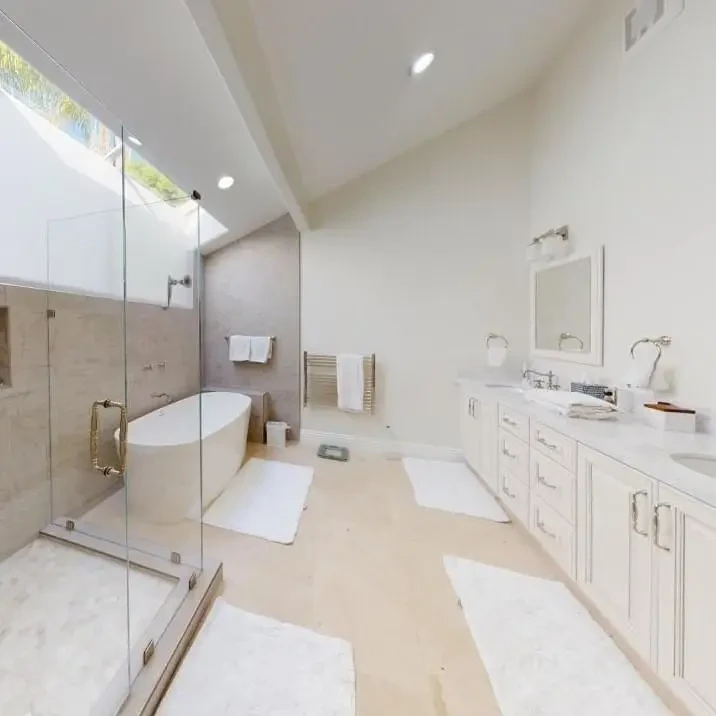
Avoid the most common bathroom remodeling mistakes that waste time and money. Learn what to fix before you build. Get expert help today.
Bathroom Remodeling should improve comfort, function, and long-term home value. But even a small mistake can lead to delays, extra costs, and frustrating do-overs. Many homeowners underestimate how complex bathroom renovations are. From layout choices to material selection, one wrong decision can affect the entire project. This guide explains the most common mistakes, why they happen, and how proper planning helps avoid expensive setbacks.
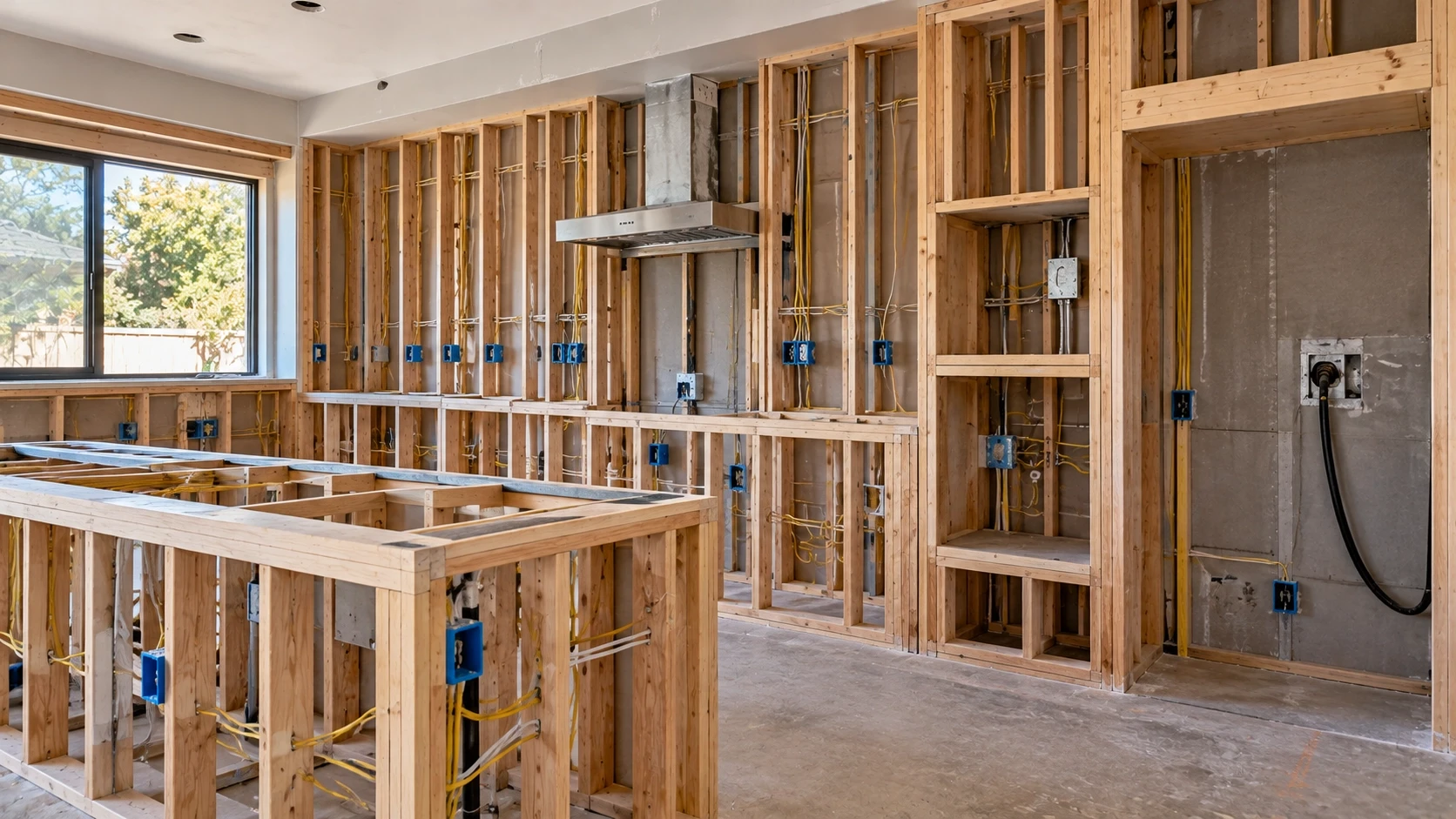
Bathroom remodels involve plumbing, waterproofing, electrical work, and structural updates. When any part is done incorrectly, the consequences show up fast and often cost more to fix. Understanding these risks helps you plan a remodel that stays on schedule and within budget.
Improper waterproofing, poor tile installation, or low-quality materials can cause hidden leaks behind walls and under floors. Over time, this leads to mold, weak framing, and damaged subfloors. Repairing structural issues always costs more than preventing them. Early planning and proper installation protect your bathroom and the surrounding areas from expensive water damage.
A remodel completed without permits or code compliance lowers home value and creates insurance problems. Claims may be denied if faulty workmanship causes water or electrical damage. Buyers also look closely at bathroom quality, layout, and functionality. Mistakes lead to lower offers and longer selling times. A well-executed remodel protects long-term property value.
Some issues require immediate attention to prevent bigger problems. These include active leaks, failing pipes, cracked tiles, and faulty wiring. Delays increase repair costs and may force a full teardown. Spotting warning signs early helps you prevent emergencies and keeps your project timeline on track.
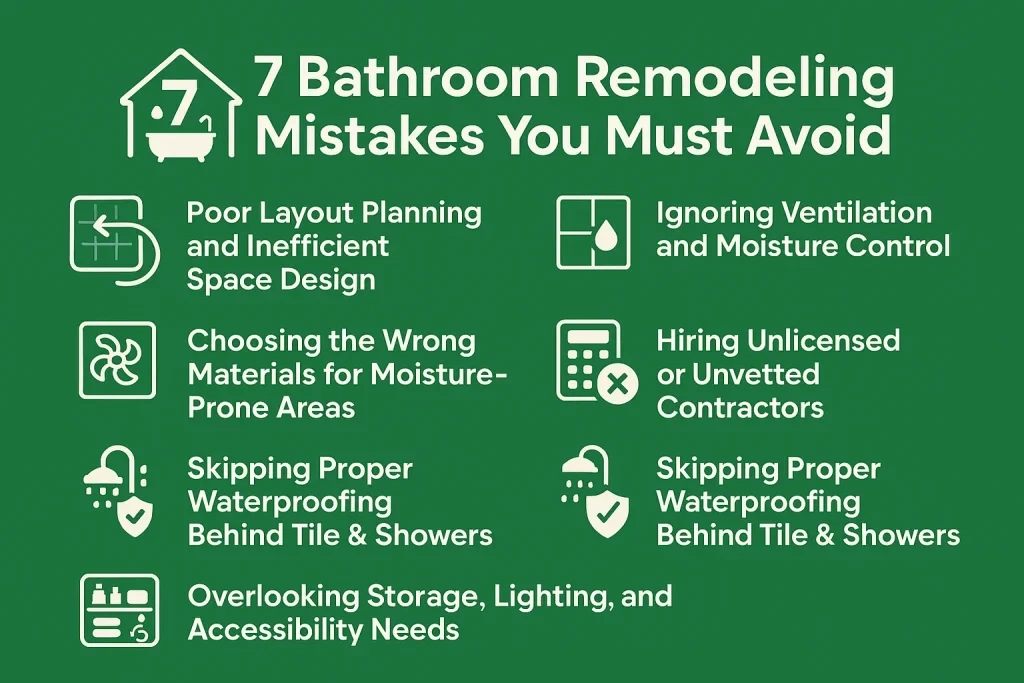
Avoiding common remodeling mistakes helps you protect your investment, improve daily comfort, and keep the entire project on schedule. Each issue below can cause delays, extra costs, or long-term problems if not handled early.
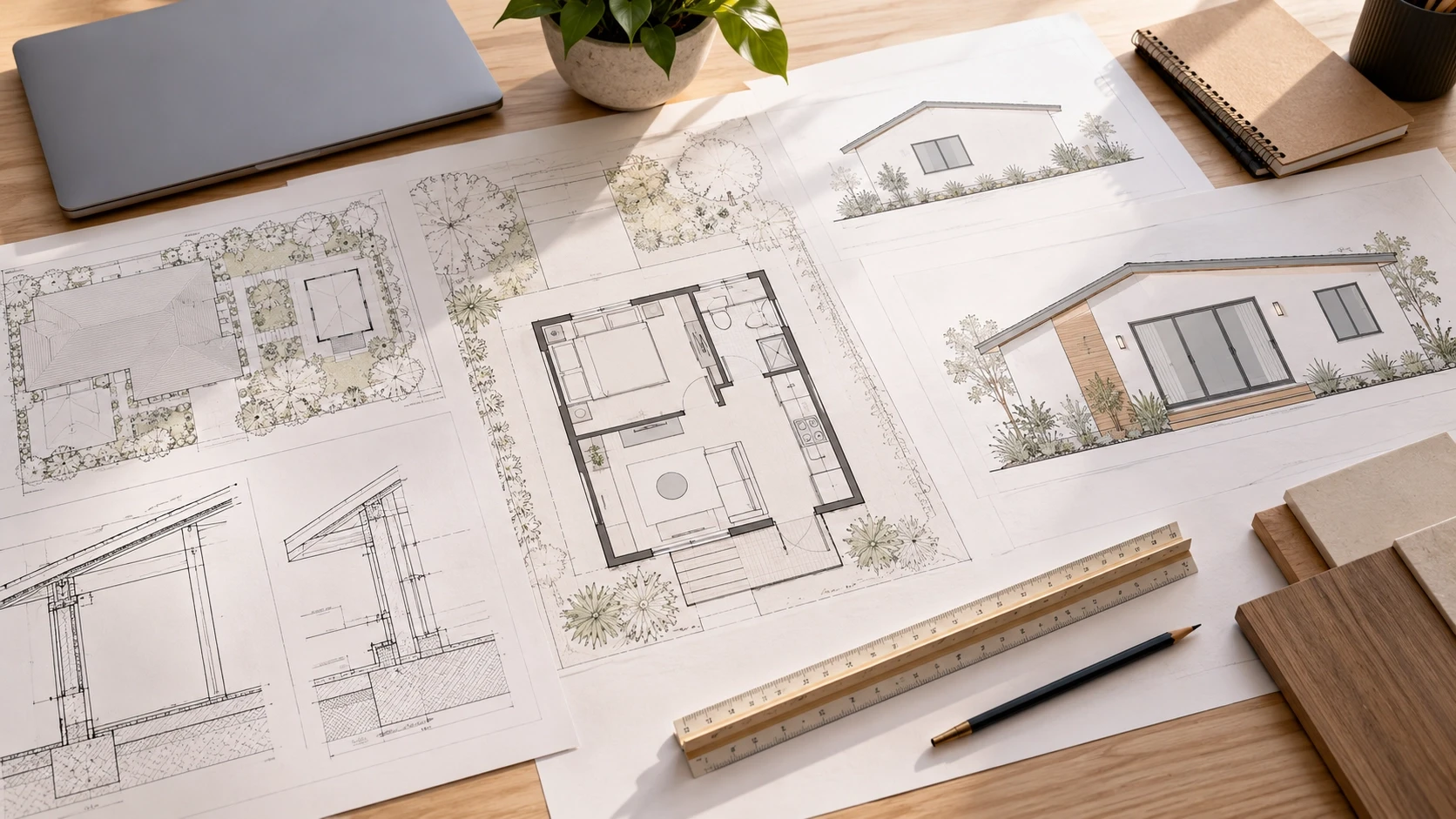
A bathroom works best when the layout supports natural movement, proper fixture spacing, and comfortable clearances. Placing the toilet too close to the vanity, crowding the shower, or blocking pathways creates frustration and reduces functionality. Always plan the layout before selecting materials. A practical floor plan increases comfort, prevents costly rework, and improves long-term usability.
Bathrooms face constant moisture, humidity, and temperature changes. When homeowners choose materials not rated for wet zones, problems appear quickly. Issues include peeling paint, warped cabinetry, or mold behind tile. Select moisture-resistant flooring, tile, grout, and wall materials designed for bathrooms. This ensures durability and supports long-lasting results.
One of the most common and damaging mistakes is skipping proper ventilation. Without a strong exhaust fan or adequate airflow, moisture remains trapped in the room. Over time, this leads to mold growth, peeling finishes, and damaged drywall. A properly sized fan and consistent air movement protect your remodel and extend the life of every surface.
Homeowners often plan for materials but overlook labor, plumbing updates, or unexpected structural repairs. Older bathrooms may require new wiring, upgraded pipes, or subfloor repairs. These hidden costs add up quickly. Build a realistic budget with a contingency amount. Planning for surprises helps you avoid delays and prevents overspending.
Choosing a contractor based solely on price leads to poor-quality work and costly corrections. Unlicensed or inexperienced installers often cut corners on waterproofing, electrical work, and plumbing. Always verify licenses, insurance, and past projects. Working with a qualified contractor ensures the remodel meets California codes and passes inspection.
Tile alone is not waterproof. Showers and wet walls require membranes or waterproof backer boards to protect the structure behind the tile. Without proper waterproofing, leaks form slowly and cause significant hidden damage. A well-sealed base, corners, and wall system keeps moisture out and protects the long-term stability of your bathroom.
A beautiful bathroom still fails if it lacks storage or proper lighting. Poor lighting makes grooming difficult, while insufficient storage creates clutter. Accessibility is also important for long-term comfort. Adding niches, cabinets, layered lighting, and safe-access features improves daily use. Planning these elements early ensures a balanced and functional bathroom.
A successful bathroom remodel starts with careful planning, accurate measurements, and a clear understanding of California building requirements. When homeowners take the time to plan each step, they avoid delays, reduce costs, and achieve a bathroom that functions beautifully for years.
A bathroom remodel involves plumbing, electrical work, waterproofing, permitting, and design planning. Small errors in any of these areas can create long-term problems. A licensed contractor helps you avoid these mistakes by managing the technical details, coordinating trades, and ensuring everything meets California building codes.
Working with a licensed contractor gives you access to proper design planning and code knowledge. They understand fixture clearances, ventilation rules, and waterproofing standards. This ensures your bathroom meets California building codes and passes inspections without delays. Their guidance helps prevent layout issues, unsafe installations, and costly corrections.
Professionals follow proven methods for demolition, plumbing, electrical work, and tile installation. This reduces the risk of leaks, cracks, and uneven finishes. Licensed contractors also manage sub-trades, maintain schedules, and keep the project moving. Their experience helps deliver a smooth remodel with fewer disruptions.
A professional contractor provides detailed estimates, clear scopes of work, and set expectations. This avoids hidden costs and misunderstandings. They guide you through materials, timelines, and required approvals, so you always know what comes next. Good communication helps protect your investment and keeps the remodel on track.
Bathroom remodeling mistakes are expensive and time-consuming to fix. Proper planning, correct material choices, and professional installation protect your home from moisture issues, leaks, and structural damage. If you’re preparing for a remodel, the best approach is to bring in an expert early. A professional evaluation helps define scope, confirm feasibility, and avoid costly design errors.
Read More About Complete Bathroom Remodel Cost in Long Beach.
Poor layout planning is the most common issue. It leads to tight spaces, plumbing conflicts, and inefficient movement inside the bathroom.
Most bathroom remodels take four to eight weeks depending on scope, materials, and permit requirements.
Yes. Any plumbing, electrical, or structural changes require permits and inspections to meet California building codes.
A mid-range bathroom remodel in California typically ranges from $18,000 to $35,000 depending on materials, layout changes, and labor.