earthquake-retrofit
Foundation Retrofit Benefits for California Homes
Learn the top benefits of foundation retrofits for California homes and how they protect against costly earthquake damage and structural risks.
In California, earthquakes will happen, and builders constructed many older homes before modern seismic standards came into effect. A foundation retrofit strengthens the connection between your home and its base, helping it withstand ground movement and reducing the risk of severe structural damage. In this guide, you will discover the key benefits of foundation retrofitting, how it improves safety and property value, and why it is a smart, proactive investment for California homeowners.
A foundation retrofit is a structural upgrade that strengthens the connection between a home’s wooden frame and its concrete foundation. Builders constructed many older California houses before modern seismic codes, so these homes lack the anchoring and bracing needed to resist earthquake forces. During strong ground movement, these homes can shift, slide, or even detach from their foundations, causing severe structural damage.
In California’s seismic environment, this vulnerability is a serious concern for homeowners. Retrofitting addresses these weaknesses by installing anchor bolts, adding plywood bracing to cripple walls, and reinforcing critical structural connections. These improvements help the home move more safely with the ground during an earthquake rather than resisting it in a way that leads to failure.
Because earthquakes are a recurring reality across the state, foundation retrofitting is not just a structural upgrade but a preventive safety measure that protects both property and occupants from avoidable risks.
Foundation retrofitting offers multiple advantages that go beyond basic structural repair. It improves safety, increases property value, reduces long-term financial risks, and ensures that the home meets current building expectations. For California homeowners, these benefits make retrofitting a practical and forward-thinking investment.
The primary purpose of a foundation retrofit is to reduce the risk of major structural failure during an earthquake. By strengthening the bond between the house and its foundation, the structure can better absorb seismic movement without collapsing or shifting off its base. This added stability protects the people inside the home and prevents costly destruction that can occur when a house becomes structurally compromised.
Homes that have been retrofitted are viewed as safer and more resilient in the real estate market. Buyers in California are increasingly aware of seismic risks and often prefer properties that already have structural upgrades in place. A documented retrofit can make a home more attractive to potential buyers and may positively influence resale value.
Some insurance providers recognize the reduced risk associated with retrofitted homes and may offer lower earthquake insurance premiums. Even when premium reductions are not significant, the financial protection comes from minimizing the likelihood of severe structural damage that would require expensive repairs after an earthquake.
As building codes evolve to address seismic safety, retrofitting helps older homes meet modern expectations. Compliance with current standards not only improves safety but also prevents complications related to permits, inspections, or property transactions in the future.
Knowing that your home is better prepared to withstand seismic activity gives you confidence and peace of mind. A retrofitted foundation contributes to the overall longevity of the structure, ensuring that the home remains stable, secure, and dependable for many years to come.
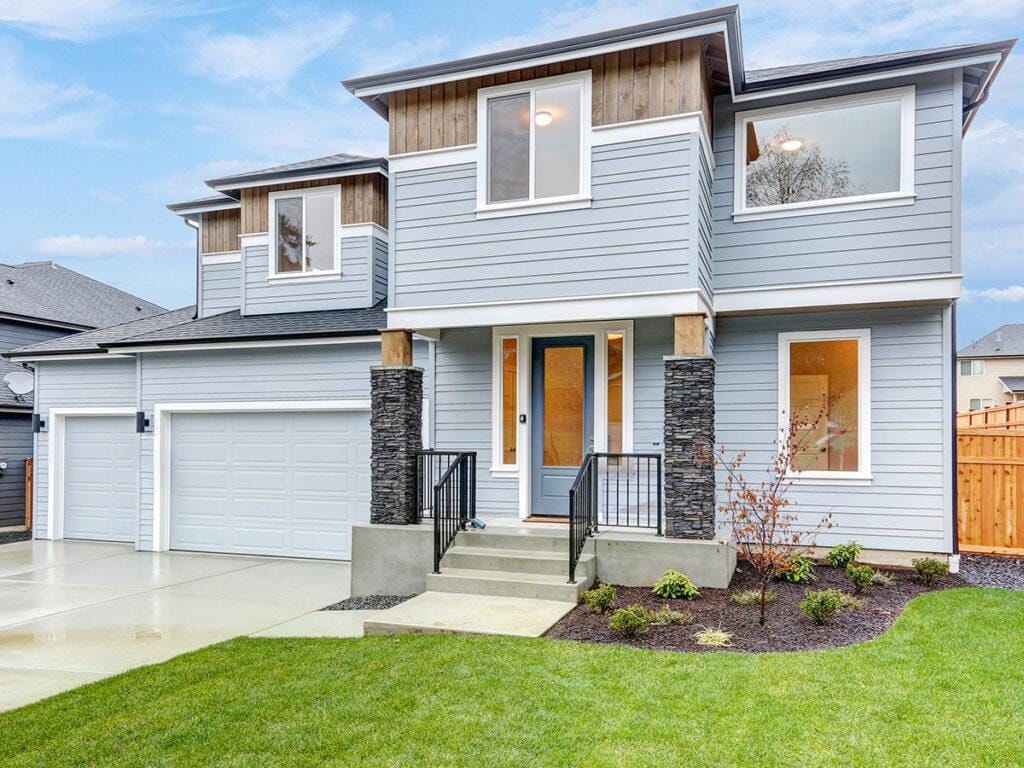
Foundation retrofitting focuses on strengthening the structural connection between the home and its foundation so the building can better withstand seismic movement. In many older California homes, the wooden frame simply rests on the concrete foundation without secure anchoring. During an earthquake, this weak connection can cause the structure to shift or slide.
Retrofit work typically involves installing anchor bolts that firmly attach the wood framing to the foundation. Contractors also reinforce cripple walls with structural plywood bracing to prevent them from collapsing under lateral movement. In some cases, contractors add additional metal connectors and framing reinforcements to improve overall stability.
To encourage seismic safety, California offers financial assistance programs that help reduce the cost of foundation retrofits. One of the most recognized initiatives is Earthquake Brace + Bolt, which provides grants to eligible homeowners for approved retrofit work. This program was created specifically to make seismic strengthening more accessible and affordable.
In addition to state programs, some local municipalities and insurance providers offer incentives for homeowners who complete approved retrofits. These financial benefits make it easier for property owners to invest in safety without carrying the full cost burden on their own.
The value of a foundation retrofit depends on the age of the home, its construction type, and its location within California’s seismic zones. Homes built before modern building codes are more likely to benefit from this upgrade because they often lack proper anchoring and bracing.
For many homeowners, the decision becomes clear when considering the potential cost of earthquake damage compared to the investment required for retrofitting. Structural repairs after a major seismic event can be extensive and far more expensive than preventive reinforcement.
Foundation retrofitting is one of the most practical steps California homeowners can take to protect their property from seismic risks. By strengthening the connection between the home and its foundation, this upgrade improves structural performance, enhances safety, and reduces the likelihood of costly earthquake damage.
Beyond protection, it also supports property value, code compliance, and long term stability. Investing in a retrofit today helps ensure your home remains secure, resilient, and prepared for the realities of living in an earthquake prone region.
Read More About the Rain Gutter Maintenance Tips to Prevent Damage.
Not every home requires retrofitting, but properties built before modern seismic codes are more likely to benefit from this structural upgrade.
Contractors can complete most retrofit projects within a few days, depending on the size of the home and the condition of the existing structure.
In most cases, homeowners can remain in their homes because crews usually perform the work in the crawl space or foundation area.
The cost varies based on the home’s design and condition, but financial assistance programs are available to help reduce the expense for eligible homeowners.