solar-roofing
Why Solar Roofing Is the Smartest Investment for California Homeowners?
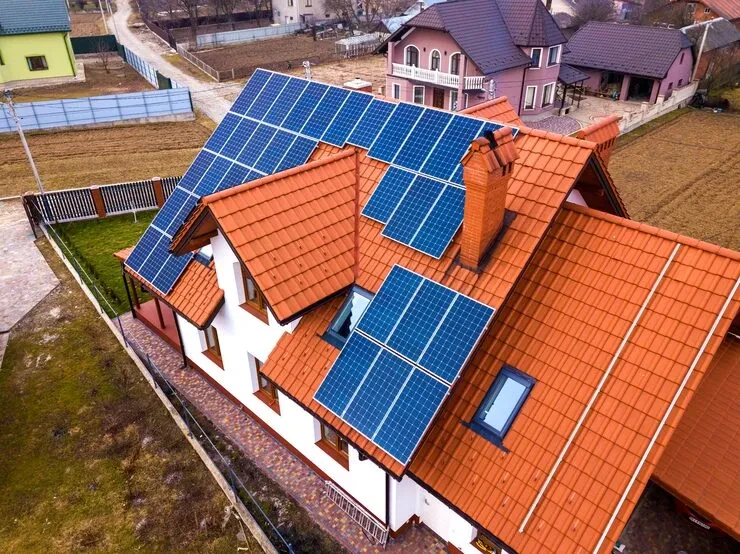
See how solar roofing in California cuts energy bills and boosts home value. Learn cost factors & benefits. Contact us for a solar estimate.
With California’s abundant sunshine and ever-rising energy costs, solar roofing has become one of the smartest long-term investments for homeowners. Beyond reducing utility bills, a solar-integrated roof adds property value, supports sustainability goals, and meets modern energy-efficiency standards. Whether you’re planning a roof replacement or exploring renewable options, solar roofing in California delivers both financial and environmental returns.
Southern California’s climate and housing trends make it an ideal region for solar adoption. The combination of year-round sunlight, progressive building codes, and local rebates ensures that homeowners can recover their investment faster than almost anywhere else in the USA. Choosing solar roofing is not only about going green, it’s about making a strategic property decision that aligns with California’s evolving energy future.
Southern California averages over 280 sunny days per year, making it a prime environment for solar energy generation. At the same time, electricity rates continue to climb due to grid demand and energy policy changes. This contrast makes solar roofing systems a practical way to lock in predictable energy costs for decades. By generating your own clean power, you offset monthly utility expenses and protect yourself from future rate hikes.
Tip: The USA Department of Energy notes that solar homeowners in high-sun states can save 20–40% more over time compared to standard roofing.
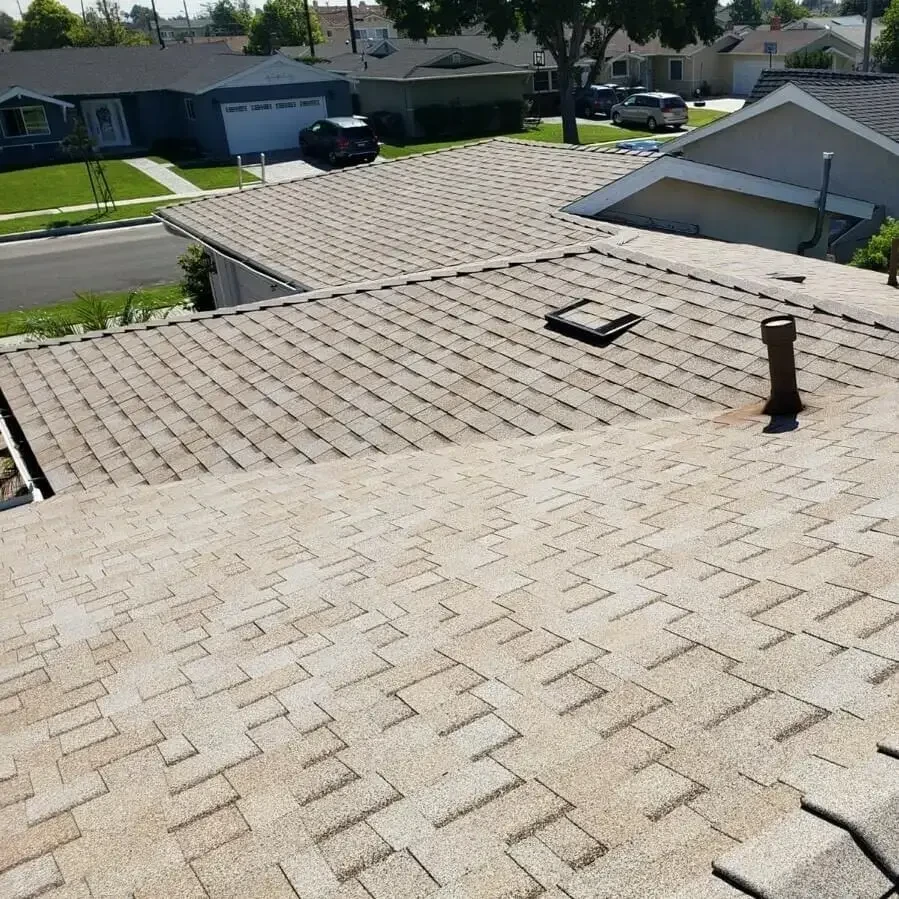
A solar roof isn’t just about power, it’s also about durability and timing. Most homeowners consider solar when their roof is nearing replacement age, making it the perfect time to integrate both upgrades together. Modern solar shingles and panels are engineered to last 25–30 years, aligning closely with the lifespan of high-quality roofing materials.
Partnering with a Roofing Services Experts ensures proper installation, waterproofing, and long-term system performance.
The financial return on solar roofing is boosted by state and federal incentives. The Federal Investment Tax Credit (ITC) allows homeowners to deduct up to 30% of the system cost, while California programs like the Self-Generation Incentive Program (SGIP) offer rebates for battery storage.
Many local utilities provide net metering, allowing you to sell excess energy back to the grid. These combined benefits significantly reduce payback periods, often making solar roofing pay for itself within 7–10 years while continuing to generate savings for decades.
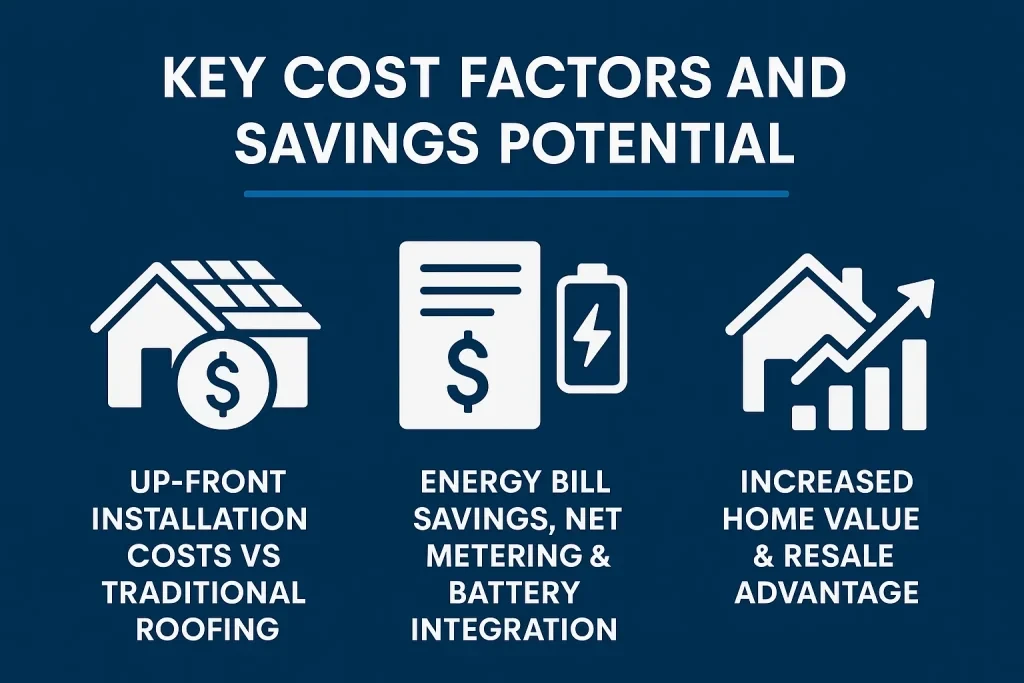
While the upfront cost of solar roofing may seem higher than traditional options, California homeowners often see faster payback periods thanks to abundant sunlight, tax incentives, and rising energy rates. A well-installed solar roof is not just an expense, it’s an income-generating asset that delivers both short- and long-term value.
A traditional roof replacement in California typically ranges from $10,000 to $20,000, depending on materials and home size. By comparison, solar roofing systems may cost $25,000–$45,000, including panels, inverters, and installation. However, when factoring in federal tax credits and long-term energy savings, the effective cost gap narrows dramatically.
Homeowners planning to replace an aging roof often save more by installing solar and roofing together, rather than adding solar later avoiding double labor and material expenses. This integrated approach ensures seamless performance, weather protection, and aesthetic consistency.
Energy costs in Southern California are among the highest in the country, with average monthly bills exceeding $200 for many households. A solar roof can offset 60–100% of your energy use, depending on system size and efficiency. Through net metering, excess electricity your system produces is sent back to the grid, earning you bill credits or payments from your utility provider.
Adding battery storage (such as Tesla Powerwall or Enphase batteries) allows homeowners to store unused power for nighttime or outage use, increasing energy independence and reliability. Over time, these savings often surpass the initial investment, making solar roofing a financially sound and eco-friendly solution for Southern California homes.
Solar roofing doesn’t just lower your bills, it also boosts your property’s market appeal. Multiple studies from the US Department of Energy’s Lawrence Berkeley Lab show that homes with solar installations sell 3–5% faster and for up to 4% more than comparable properties without them.
In California’s competitive real estate market, energy-efficient homes with solar-integrated roofing stand out for buyers seeking lower living costs and sustainability benefits. With durable materials and 25+ years of panel performance, solar roofs deliver both curb appeal and long-term equity growth.
When homeowners hear “solar roofing,” they often imagine bulky panels on top of shingles. However, solar roofing in 2025 includes multiple technology options from standard solar panel systems to integrated solar tiles that blend seamlessly into your roof’s surface. Understanding the difference helps you choose the right balance between performance, aesthetics, and long-term value.
Traditional systems install solar panels on top of an existing or new roof, using metal racks to secure them. They’re typically more affordable upfront and offer flexibility in system sizing and upgrades.
In contrast, integrated solar roofing systems like Tesla Solar Roof or CertainTeed Solar Shingles, replace the outer roofing material entirely with power-generating tiles. While the cost is higher, these options deliver a sleek, modern appearance and improved protection against wind and leaks. They’re ideal for new builds or major roof replacements where long-term aesthetics and efficiency matter most.
High-quality solar roofing materials are built to last.
When properly installed and maintained, a solar roof can outlast most conventional roofing systems, while generating clean power throughout its lifespan.
Modern solar roofing systems require minimal maintenance, mainly keeping panels or tiles clean from dust or debris. Many setups include real-time monitoring apps that let homeowners track energy production, efficiency, and savings directly from their phones.
In case of upgrades, newer systems are modular and scalable, allowing homeowners to add panels or battery storage as energy needs grow. Partnering with a certified local installer ensures your roof remains code-compliant, leak-free, and energy-efficient for decades.
While solar roofing delivers long-term value and energy savings, California homeowners often face a few hurdles before installation. The good news? With proper planning and expert guidance, each challenge can be turned into an opportunity for a smarter, more efficient system.
Before investing in solar roofing, it’s crucial to assess your roof’s condition. An aging or damaged roof may not support the added weight of solar panels or tiles. Ideally, homeowners should replace or reinforce their roof before installation to prevent costly rework later.
Working with a certified contractor like Home Renew 360 ensures that your roofing structure, load capacity, and materials are fully evaluated during the planning stage. Our team can integrate both roofing and solar upgrades in a single project, saving time and maximizing long-term performance.
In California, local codes and HOA rules can influence your solar roofing project. Certain communities require design approval to maintain neighborhood aesthetics, while California Title 24 energy standards set specific efficiency and fire safety requirements for roofing systems.
To ensure compliance, always work with a licensed solar roofing specialist familiar with regional building codes and wildfire zone restrictions. This step not only simplifies the permitting process but also guarantees that your system qualifies for state and federal incentives.
Choosing the wrong installer can lead to leaks, electrical issues, or poor energy performance. Look for licensed, insured contractors with experience in both roofing and solar integration, not just one or the other.
At Home Renew 360, our team provides end-to-end solar roofing solutions, from inspection and permitting to installation and system monitoring. This ensures your investment is code-compliant, efficient, and fully backed by warranty protection.
While solar roofing is one of the smartest upgrades for California homes, it’s not a one-size-fits-all solution. Before investing, homeowners should carefully evaluate roof design, energy use, financing, and long-term goals to ensure the system fits their lifestyle and property needs.
The size and orientation of your roof directly impact how much solar energy you can produce. South- or west-facing roofs typically offer the best sun exposure in California, while shade from trees or nearby structures can reduce output.
A professional assessment helps calculate your ideal system size based on your monthly utility consumption and rate plan. The goal is to offset as much of your electricity use as possible while maintaining efficiency and aesthetic appeal.
Solar roofing may have a higher upfront cost than traditional systems, but financing options and incentives make it more accessible than ever. Homeowners can explore flexible payment structures including solar loans, leases, and power purchase agreements (PPAs).
With current California utility rates and federal incentives, most systems achieve payback within 6–10 years, after which homeowners enjoy decades of free or reduced electricity. You can also combine your solar roof with our home improvement financing programs to make the transition easier and more affordable.
Not every home is ready for full solar integration immediately. If your roof is nearing the end of its lifespan or requires major structural upgrades, it may be wise to replace the roof first, then add solar later.
Homeowners can also consider partial solar solutions, such as solar-ready roofing or hybrid systems that integrate panels on specific roof sections. This approach allows you to benefit from energy savings now and expand your system when the time is right.
Investing in solar roofing isn’t just about sustainability, it’s about future-proofing your home. With rising energy costs, generous incentives, and improved solar technology, California homeowners can now enjoy long-term savings, higher property value, and lower environmental impact. Whether you’re building a new home or replacing an aging roof, combining solar and roofing upgrades ensures maximum efficiency and minimal disruption.
Ready to see how much you can save? Contact Home Renew 360 today to schedule a free solar roofing consultation and personalized cost estimate.
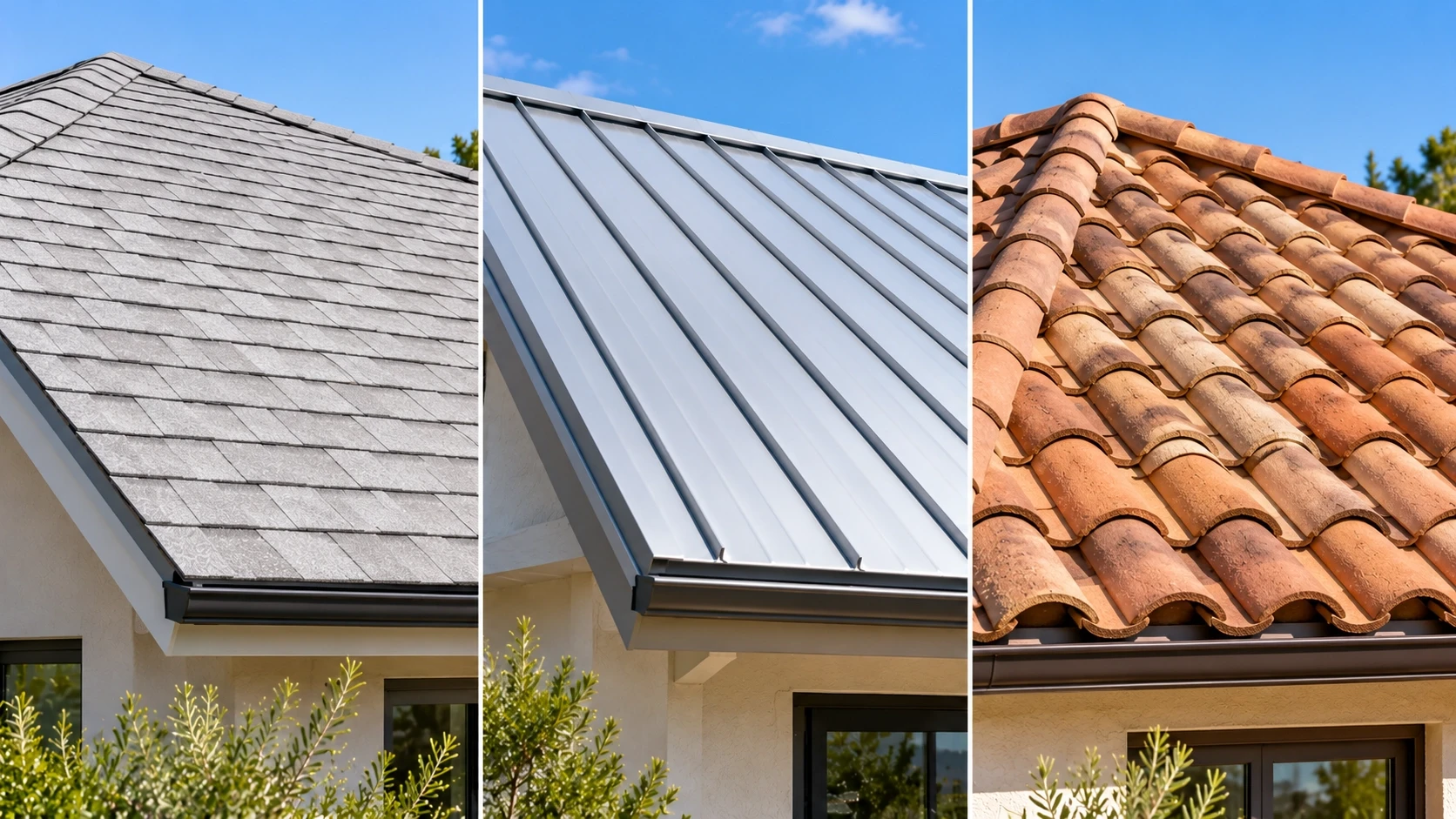
Tile and metal roofing tend to last the longest in Southern California’s sunny climate, typically **40–50+ years** with proper maintenance. These materials also perform well when integrated with solar systems.
Yes. With high solar exposure, net metering benefits, and available rebates, homeowners in SoCal often recover their investment in 6–10 years while saving significantly on utility bills.
Absolutely. Solar panels and integrated solar shingles can be installed on **tile, metal, or asphalt roofing**, though the mounting technique and underlayment may vary. A qualified installer ensures both performance and roof integrity.
Always hire a licensed, insured contractor familiar with **California Title 24 building standards** and local utility interconnection processes. Partnering with **Home Renew 360** guarantees that your system meets state regulations and energy efficiency goals.