energy-efficient
Sustainable Tips for a Greener Future in Los Angeles
Learn practical ways to live sustainably in Los Angeles with smart energy upgrades, water-saving ideas, waste reduction, and green transportation.
Los Angeles faces unique environmental challenges, including drought conditions, rising temperatures, air pollution, and increasing energy demand. As one of the largest cities in the country, small changes at the household level can create a meaningful impact across the region.
From improving home energy efficiency to conserving water, homeowners have many opportunities to reduce their environmental footprint while also lowering monthly utility costs. Here are practical, realistic steps you can take to build a greener future in Los Angeles.
Improving energy efficiency is one of the most effective ways to reduce carbon emissions and save money in Los Angeles. With long, hot summers and high electricity usage, energy upgrades can make a noticeable difference in both comfort and utility bills.
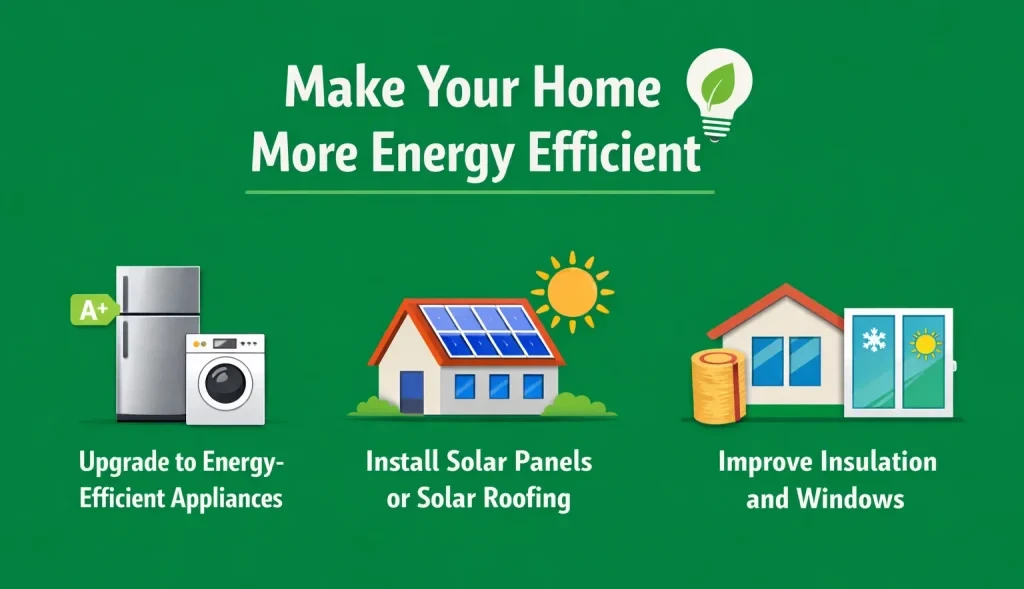
Replacing outdated appliances with energy-efficient models can significantly lower electricity consumption. Modern refrigerators, dishwashers, washing machines, and HVAC systems are designed to use less power while maintaining high performance.
Look for ENERGY STAR-certified appliances when upgrading. These appliances are built to meet strict energy standards and can reduce long-term operating costs. Even small upgrades, such as switching to LED lighting, can reduce overall household energy use.
California offers strong incentives for solar energy, making it one of the most attractive states for renewable power installation. Solar panels mounted on traditional roofs or integrated solar roofing systems can generate electricity directly from sunlight, reducing reliance on the grid.
Because Los Angeles receives abundant sunshine year-round, solar installations can offset a significant portion of monthly electricity bills. Over time, this reduces both carbon emissions and long-term energy costs.
For homeowners planning a roof replacement, combining roofing upgrades with solar installation can be an efficient sustainability investment.
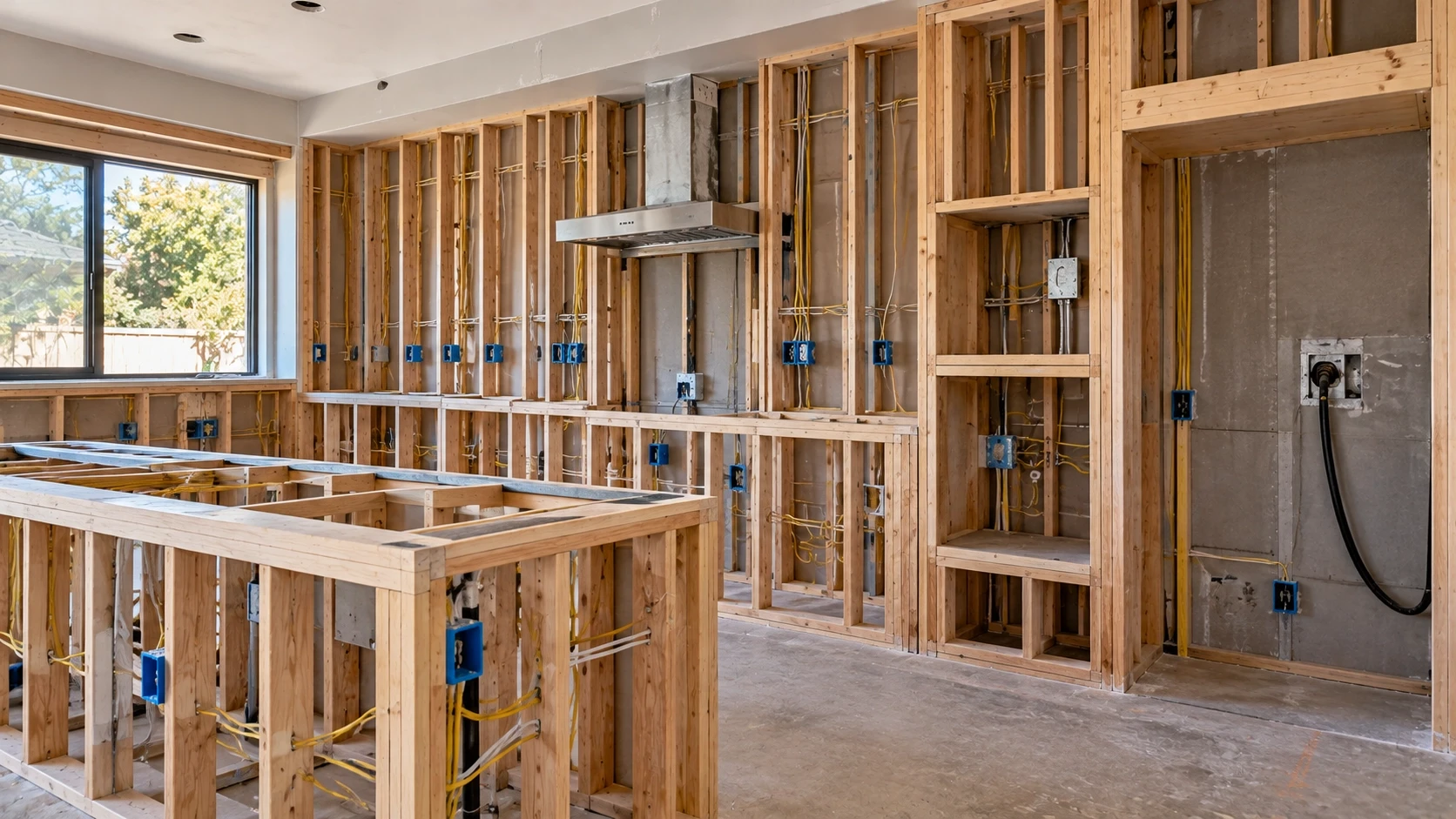
Many homes in Los Angeles lose energy through poorly insulated walls, attics, and outdated windows. Improving insulation helps maintain indoor temperatures and reduces the need for constant heating or cooling.
Upgrading to energy-efficient windows can also prevent heat transfer, keeping homes cooler in summer and warmer in winter. Proper sealing and insulation reduce strain on HVAC systems and lower energy consumption.
These improvements not only reduce energy waste but also improve indoor comfort throughout the year.
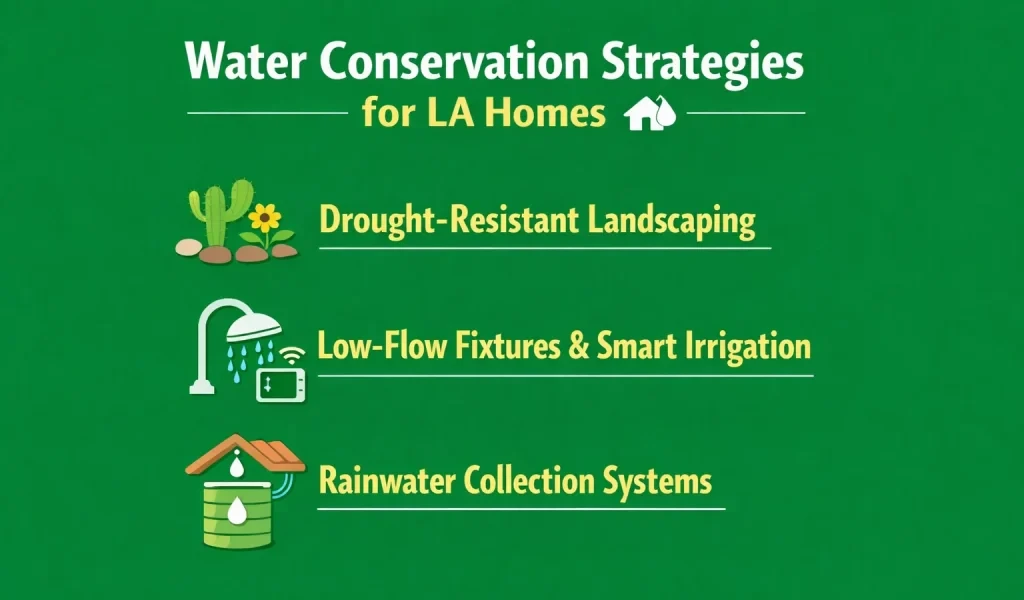
Water conservation is especially important in Los Angeles due to recurring drought conditions and limited water resources. Reducing household water usage helps protect local supplies and lower utility bills.
Traditional lawns require large amounts of water, which can be inefficient in Southern California’s dry climate. Replacing grass with drought-tolerant plants, native landscaping, and xeriscaping designs reduces outdoor water consumption.
Native California plants are adapted to local weather patterns and require far less irrigation. This approach not only conserves water but also reduces maintenance and landscaping costs.
Installing low-flow faucets, showerheads, and toilets can significantly reduce indoor water usage without sacrificing performance. These fixtures are affordable upgrades that quickly pay off through lower water bills.
Smart irrigation systems are another effective solution. These systems adjust watering schedules based on weather conditions, preventing overwatering and unnecessary runoff. In a city like Los Angeles, where water efficiency is critical, smart irrigation makes outdoor water use more sustainable.
Rainwater harvesting systems allow homeowners to capture and store rainwater for landscape irrigation. While rainfall in Los Angeles is seasonal, collected rainwater can still supplement outdoor watering needs during dry months.
Rain barrels and larger collection systems reduce reliance on municipal water supplies and promote more responsible resource management. Even small-scale systems can contribute to overall conservation efforts.
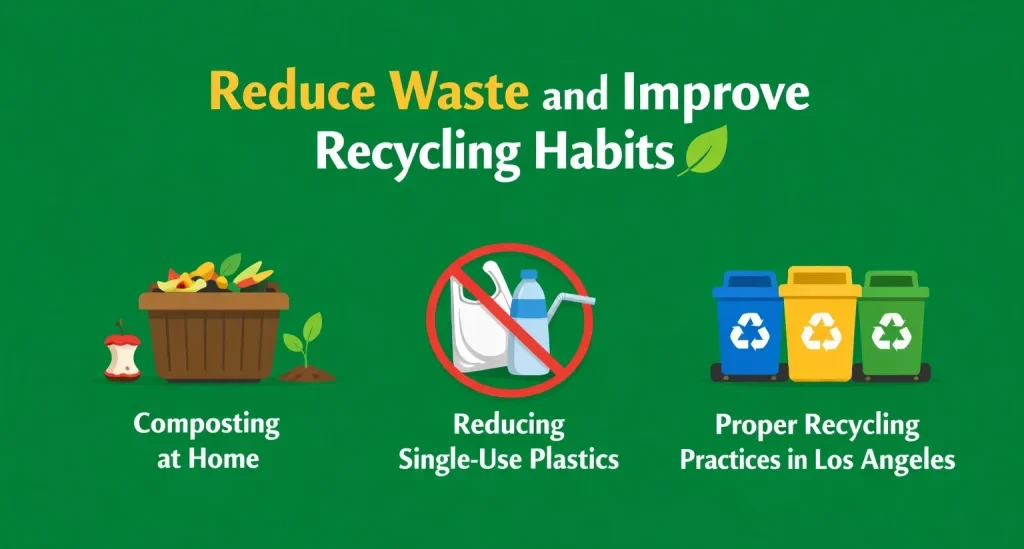
Waste reduction plays a major role in building a greener Los Angeles. Landfills contribute to greenhouse gas emissions, and improper disposal can harm local ecosystems. By improving everyday recycling habits and reducing waste at home, residents can significantly lower their environmental impact.
Composting is one of the most effective ways to reduce household waste. Food scraps and yard trimmings make up a large percentage of landfill waste, yet they can be turned into nutrient-rich soil instead.
Home composting systems can be as simple as a backyard compost bin or a sealed indoor container for apartment living. Composting reduces methane emissions from landfills and provides natural fertilizer for gardens and landscaping.
Even small-scale composting efforts can divert substantial waste from the trash over time.
Single-use plastics are a major environmental concern in coastal cities like Los Angeles. Plastic bags, water bottles, and food containers often end up in waterways and oceans.
Simple changes such as using reusable grocery bags, stainless steel water bottles, and refillable containers can significantly reduce plastic waste. Choosing products with minimal packaging and supporting businesses that prioritize sustainable materials also makes a difference.
These small lifestyle adjustments contribute to cleaner neighborhoods and healthier ecosystems.
Recycling correctly is just as important as recycling consistently. Contamination of recycling bins can cause entire loads to be diverted to landfills.
Los Angeles residents should follow local recycling guidelines by separating recyclables properly and ensuring items are clean before disposal. Electronics, batteries, and hazardous materials require special drop-off locations and should never be placed in regular bins.
Understanding and following city-specific recycling rules improves overall system efficiency and environmental impact.
Transportation is one of the largest sources of carbon emissions in Los Angeles. Shifting toward sustainable travel options can significantly reduce personal environmental impact.
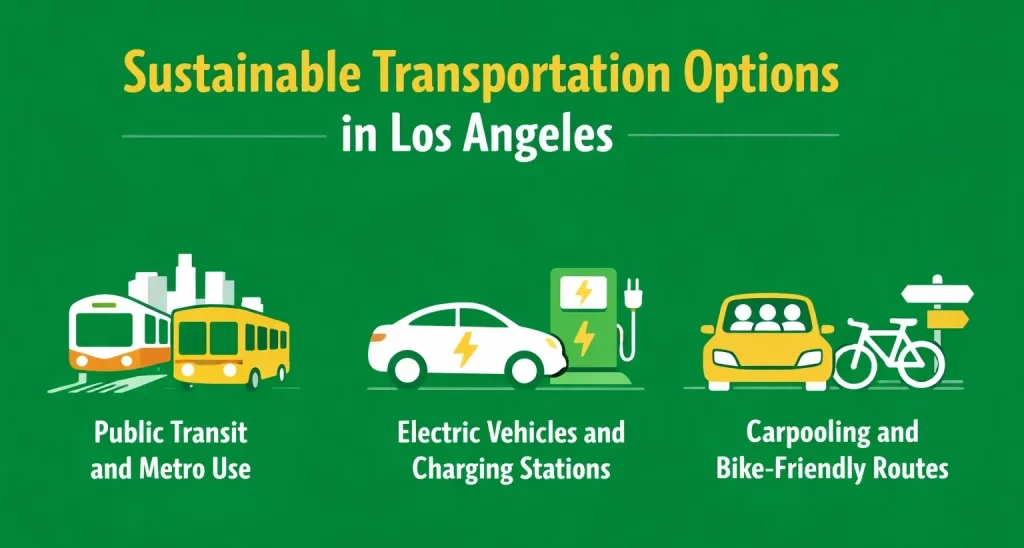
Los Angeles has expanded its public transportation system, including buses and metro rail lines. Using public transit reduces the number of vehicles on the road and lowers greenhouse gas emissions.
While public transit may not replace all car trips, incorporating it into daily commuting when possible contributes to cleaner air and reduced traffic congestion.
Electric vehicles are becoming increasingly popular across California. With expanding charging infrastructure and state incentives, EV ownership is more accessible than ever.
Switching to an electric vehicle reduces tailpipe emissions and, when paired with solar energy at home, can dramatically lower a household’s carbon footprint.
California continues to support EV adoption through rebates and charging network expansion, making it a practical long-term sustainability investment.
Carpooling remains a simple yet effective way to reduce fuel consumption and traffic congestion. Sharing rides for commuting or school drop-offs reduces the number of cars on the road.
Los Angeles has also invested in bike lanes and pedestrian-friendly infrastructure. Choosing biking or walking for short trips not only reduces emissions but also promotes healthier lifestyles.
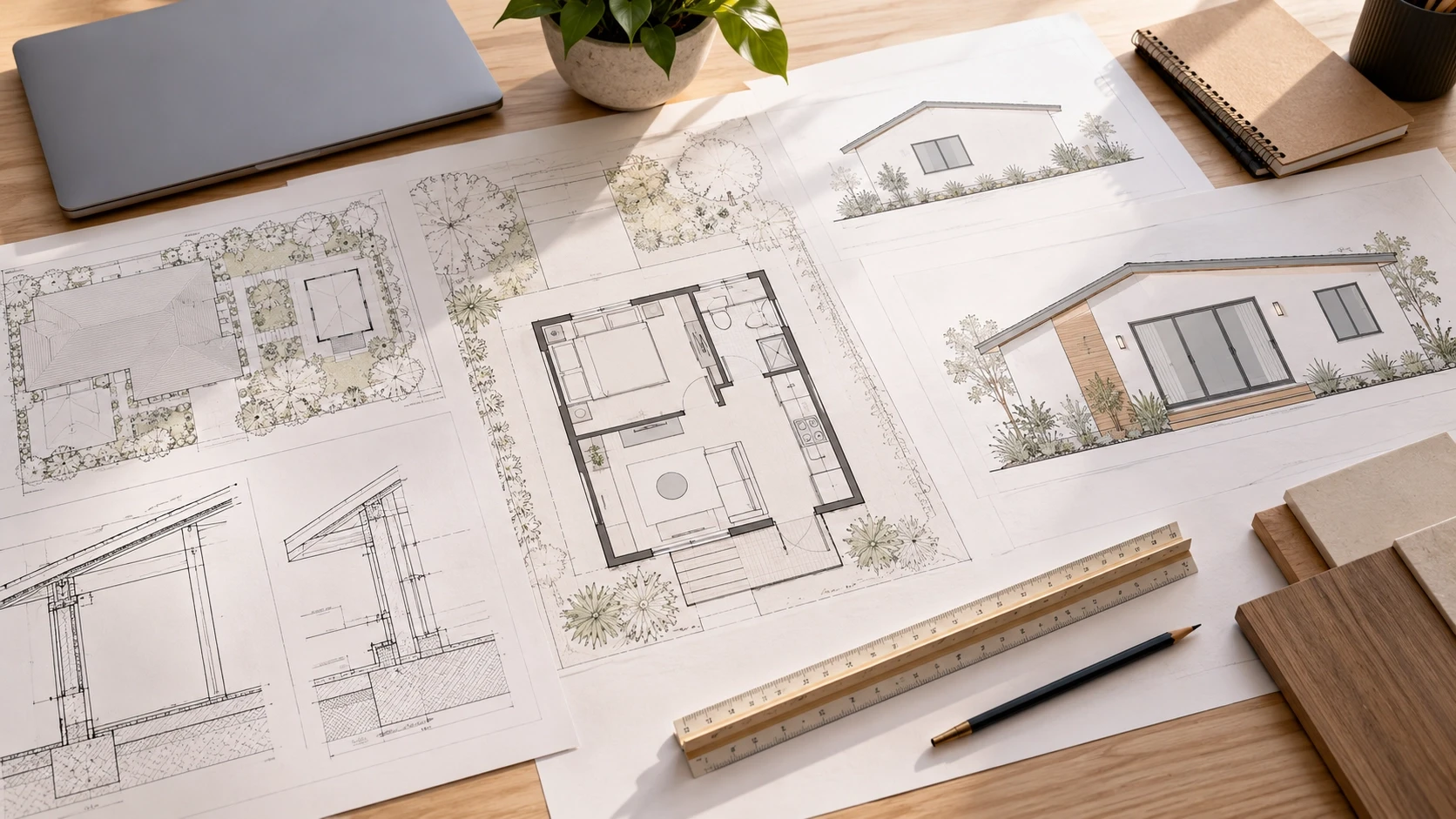
Sustainable renovation choices can significantly improve a home’s environmental performance.
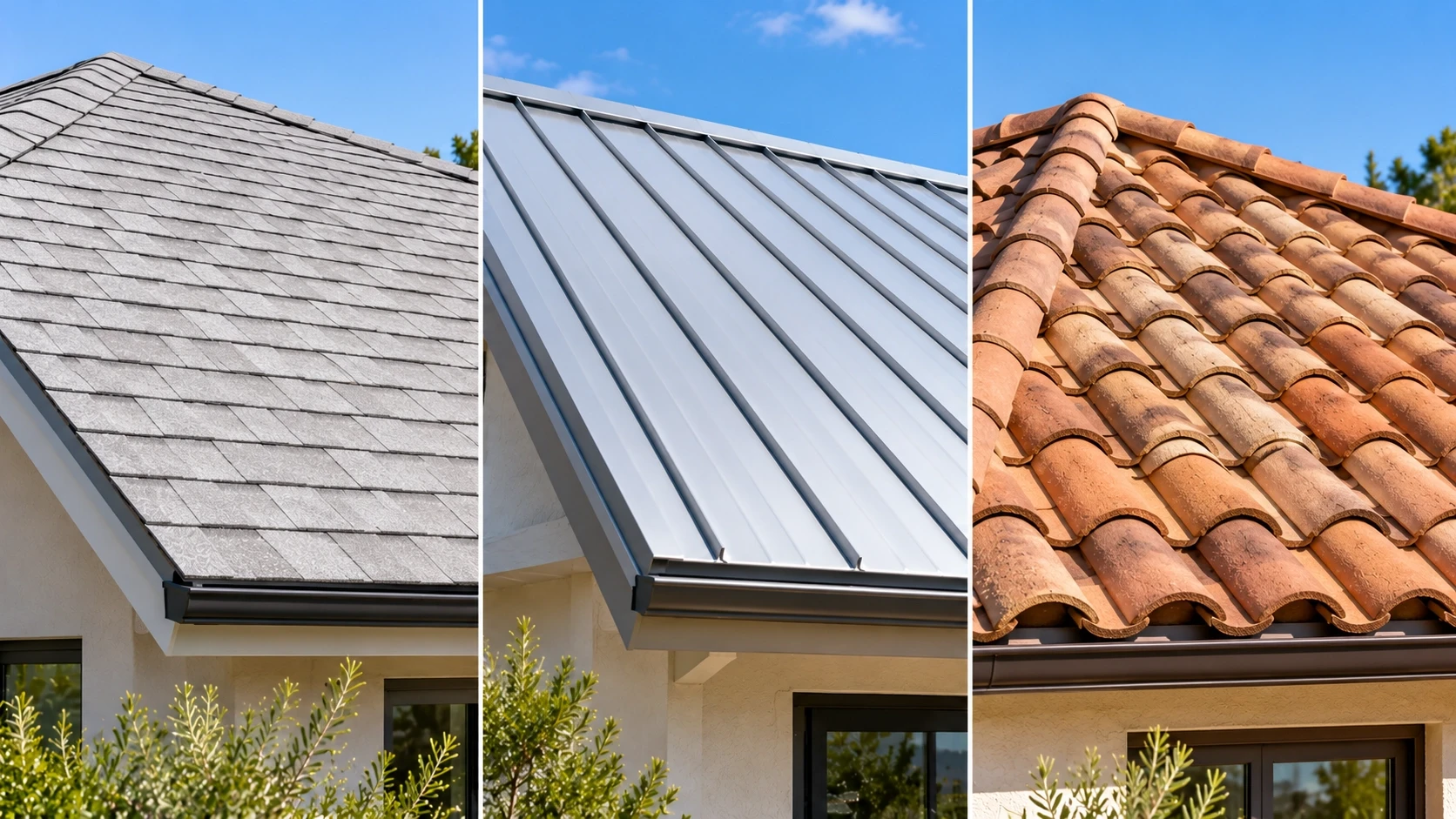
Using energy-efficient roofing materials, installing solar systems, upgrading to double-pane windows, and selecting sustainable building materials all contribute to long-term resource conservation. Low-VOC paints and recycled materials also reduce indoor air pollution and environmental impact.
When planning home improvements, prioritizing energy efficiency and durable materials helps reduce future waste and long-term operating costs.
Sustainability-focused renovations often increase property value while lowering monthly utility expenses.
Los Angeles offers various programs that encourage sustainable living.
Homeowners may qualify for solar tax credits, energy-efficiency rebates, water conservation incentives, and electric vehicle programs. Utility companies often provide rebates for energy-efficient appliances and smart irrigation systems.
Staying informed about available programs can significantly reduce the cost of eco-friendly upgrades. Because incentive programs change over time, checking with local agencies or utility providers ensures access to the latest opportunities.
These initiatives are designed to make sustainable choices more affordable and accessible to residents.
Building a greener future in Los Angeles starts with everyday decisions at home and in the community. Improving energy efficiency, conserving water, reducing waste, and choosing sustainable transportation options all contribute to long-term environmental health.
While individual actions may seem small, collective efforts across millions of residents can create meaningful change. By adopting practical sustainability strategies, Los Angeles homeowners can reduce costs, protect natural resources, and contribute to a cleaner, more resilient city.
Read More About the 5 Essential tips for Homeowners in Long Beach.
Simple upgrades such as installing LED lighting, upgrading to energy-efficient appliances, using low-flow fixtures, and improving insulation can significantly reduce energy and water usage.
Yes. Homeowners may qualify for the federal solar tax credit and utility-based incentives. Availability depends on current program guidelines and system eligibility.
You can reduce water consumption by installing low-flow fixtures, switching to drought-resistant landscaping, and using smart irrigation systems that adjust watering schedules automatically.
Energy-efficient upgrades and solar installations often increase buyer interest and can improve long-term property value, especially in environmentally conscious markets like Los Angeles.