roofing-contractor
Roofing Contractor in Los Angeles: What to Look For
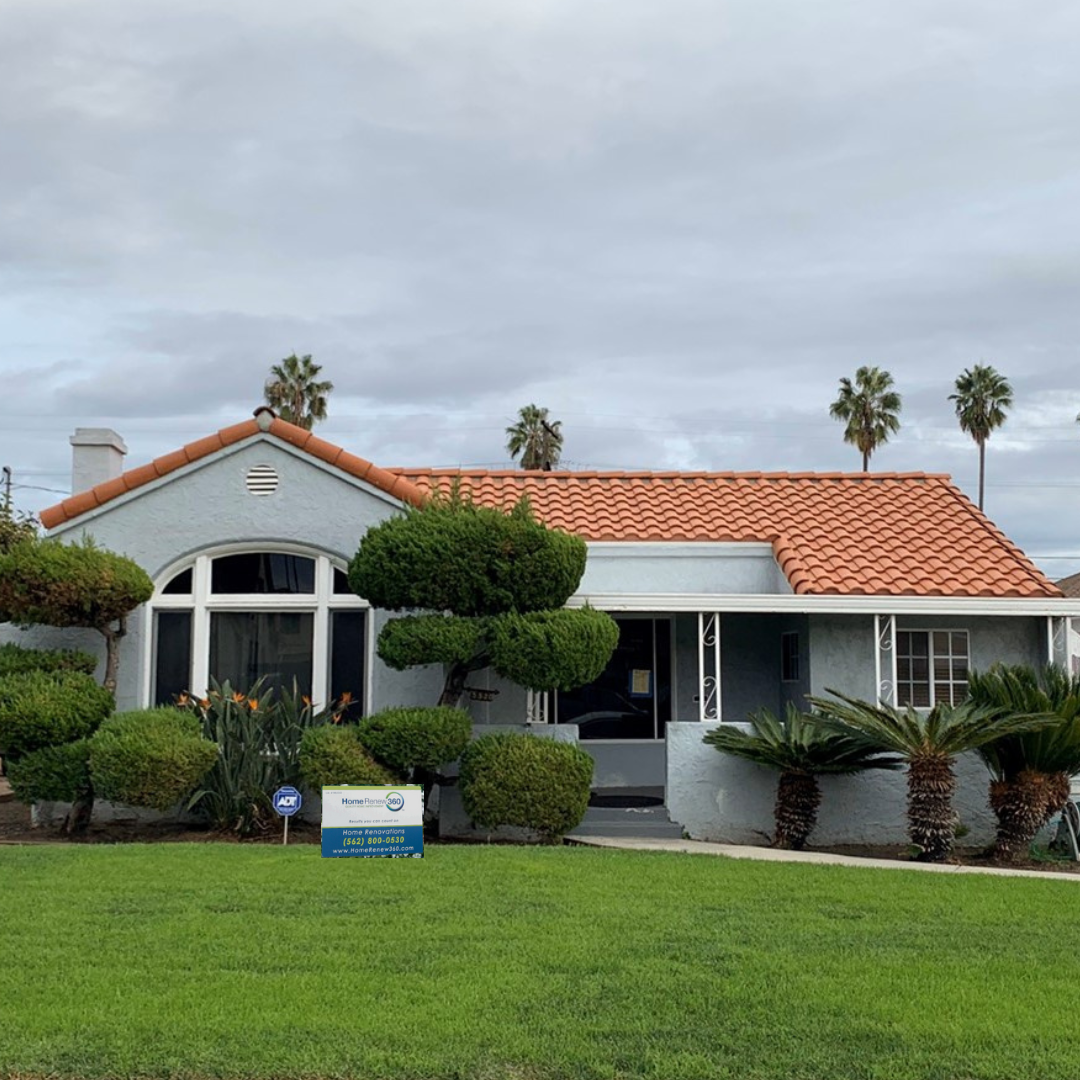
Hiring a roofing contractor in Los Angeles? Discover what to look for, average costs, license verification, permits, and costly mistakes to avoid.
Hiring a roofing contractor in Los Angeles is a major decision. Your roof protects your home from extreme heat, seasonal storms, and long-term structural damage. Choosing the wrong contractor can lead to leaks, failed inspections, warranty issues, and costly repairs.
With so many roofing companies operating in Los Angeles, homeowners need clear criteria for evaluating who is qualified and who is not. This guide explains what truly matters when hiring a roofing contractor, what you can expect to pay in 2026, and how to protect your investment.
Los Angeles has strict building codes, fire regulations, and permit requirements. Hiring a licensed roofing contractor ensures your project complies with local and state laws.
A properly licensed contractor understands city inspection requirements, energy code compliance, and fire rating standards for roofing materials. More importantly, licensing protects you legally. If something goes wrong, you have formal recourse through the California Contractors State License Board.
Unlicensed work may result in permit violations, insurance complications, or failed inspections. In some cases, homeowners can even be held financially responsible for job-site injuries if proper coverage is not in place.
In a city like Los Angeles, where roofing systems must withstand intense sun exposure and environmental stress, professional installation is not optional.
Not every roofing contractor offers the same level of professionalism or protection. Evaluating a contractor properly before signing an agreement can prevent long-term problems.
Every legitimate roofing contractor in Los Angeles must hold a C-39 Roofing Contractor License issued by the California Contractors State License Board.
Before hiring, verify that the license is active and in good standing. This confirms the contractor has passed state exams, met experience requirements, and complies with insurance and bonding standards.
Roofing work carries significant risk. A professional contractor should carry general liability insurance and workers’ compensation coverage.
Insurance protects homeowners from liability if property damage or injuries occur during the project. Without proper coverage, you could be exposed to unexpected financial risk.
Always request proof of insurance before work begins.
Roofing conditions in Los Angeles are different from other regions. Long-term exposure to UV rays, high temperatures, and occasional heavy rains affect material performance.
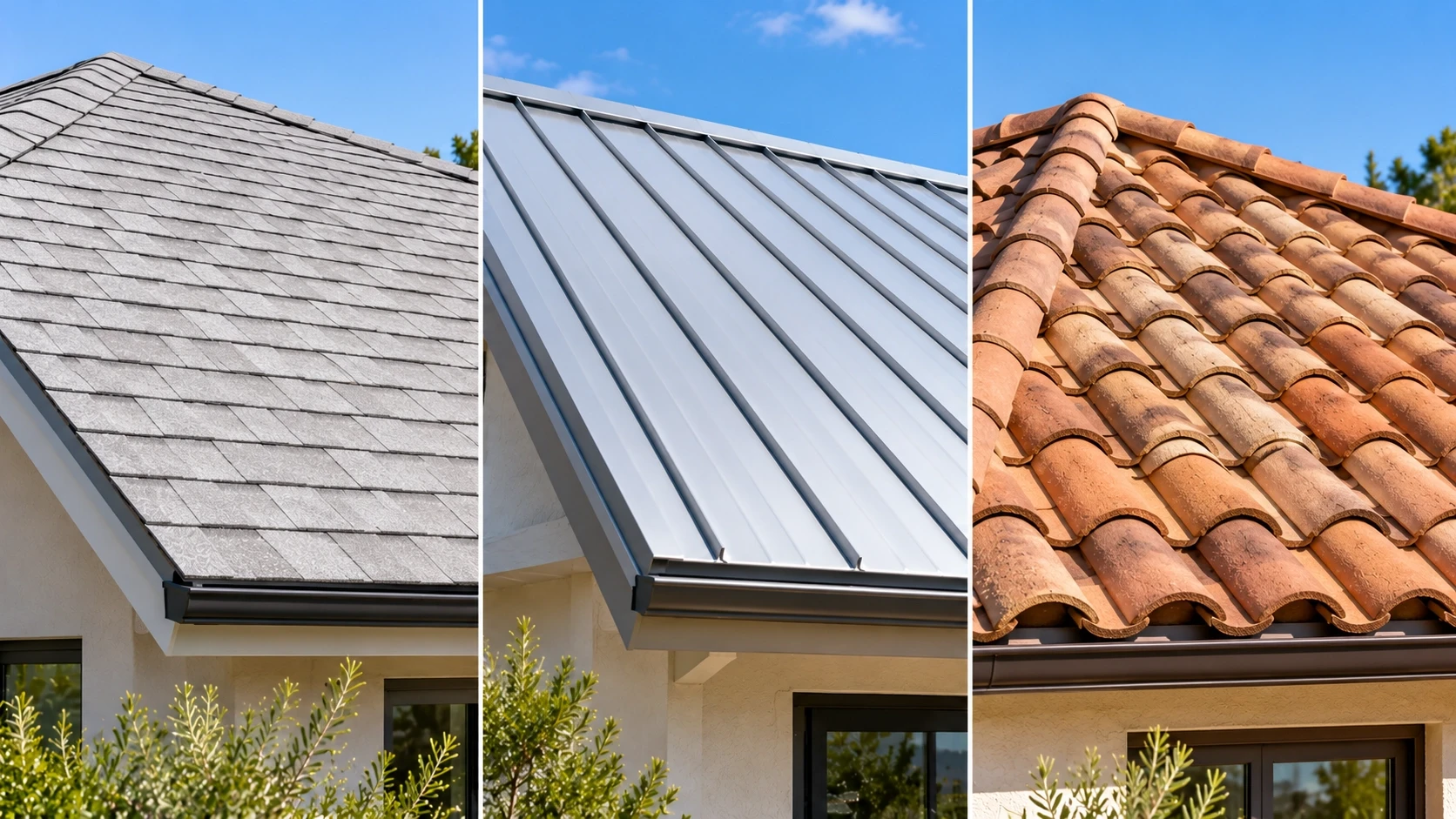
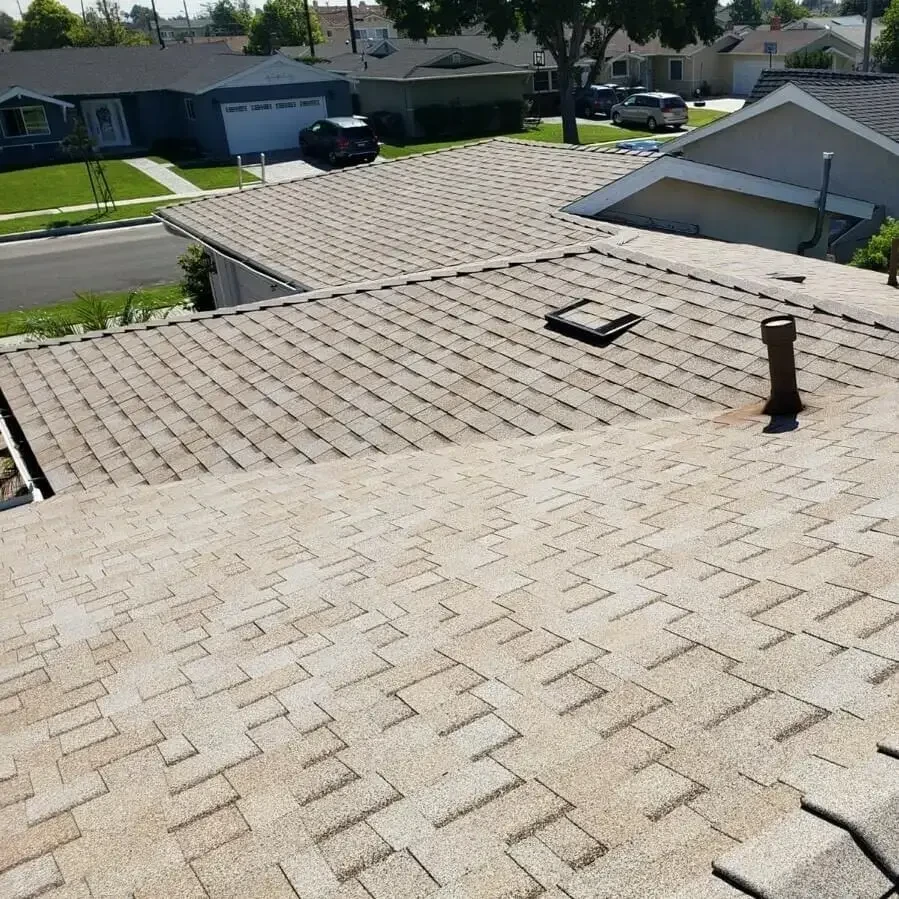
An experienced local contractor understands common roof types in LA, including tile roofs, composition shingles, and flat roofing systems. They are also familiar with local permit procedures and inspection standards, which helps avoid delays.
Some roofing contractors hold certifications from major roofing manufacturers. These certifications indicate specialized training and allow contractors to offer enhanced warranty options.
While certification alone does not guarantee quality, it shows the contractor follows approved installation methods and maintains professional standards.
A reliable roofing contractor provides a detailed written estimate before work begins. The estimate should clearly outline the scope of work, materials being used, total cost, and projected timeline.
Avoid contractors who offer vague verbal quotes or pressure you into signing quickly. Clear documentation protects both parties and prevents misunderstandings later.
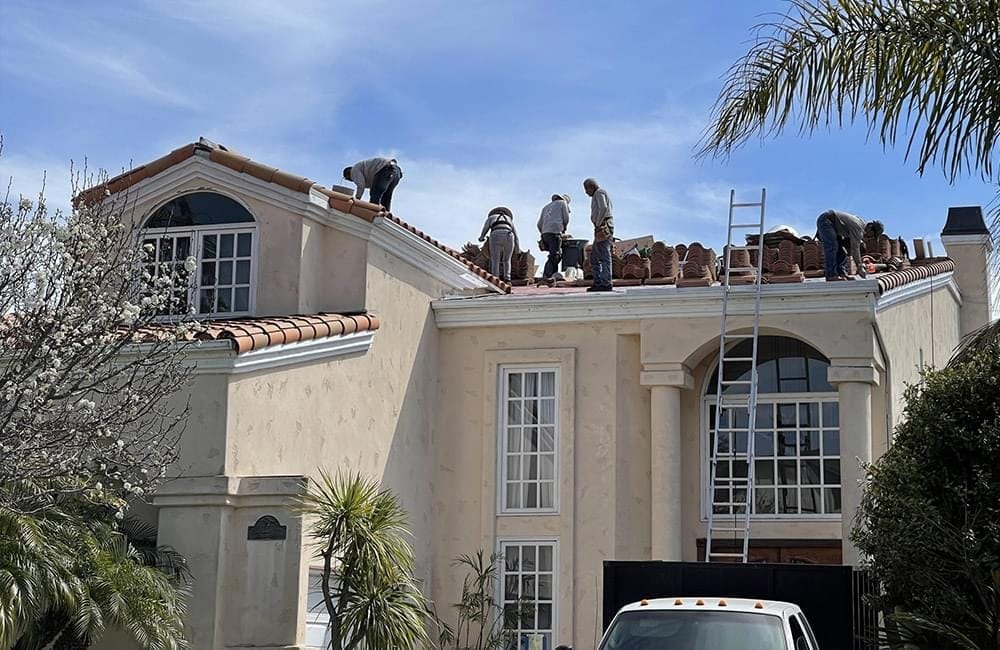
Roofing costs in Los Angeles depend on roof size, material type, accessibility, and structural condition.
In 2026, typical ranges include:
On average, roofing installation costs between $4 and $10 per square foot depending on material selection. Tile and flat roof systems generally cost more than standard asphalt shingles.
While price matters, choosing the lowest bid often results in lower-grade materials or rushed workmanship. A balanced decision should consider experience, documentation, warranty coverage, and local reputation.
Before committing to a contractor, ask clear and direct questions. This helps you evaluate professionalism and transparency.
Important questions include:
Professional contractors answer confidently and provide documentation when requested.
Not every roofing contractor operating in Los Angeles is reliable. Some warning signs should immediately raise concern.
One major red flag is a contractor who cannot provide a valid California license number. If they hesitate when asked for proof of licensing or insurance, that is a serious risk.
Be cautious of unusually low bids. While competitive pricing is normal, a quote significantly below others may indicate low-quality materials, hidden fees, or shortcuts in installation.
High-pressure sales tactics are another warning sign. A reputable roofer will give you time to review the estimate, compare options, and ask questions.
You should also avoid contractors who demand large upfront cash payments or refuse to provide a written contract. Professional roofing projects always include documented scope, cost, and warranty details.
Choosing carefully at the beginning can prevent expensive problems later.
Many homeowners use these terms interchangeably, but there can be subtle differences.
A roofing contractor is typically an individual or licensed professional responsible for performing and overseeing roofing work. A roofing company may employ multiple crews and operate as a larger business entity.
Here is a simple comparison:
| Factor | Roofing Contractor | Roofing Company |
|---|---|---|
| Structure | Individual licensed professional | Business entity with multiple staff |
| Crew Size | Smaller team | Multiple crews available |
| Personal Oversight | Often more direct involvement | May delegate to supervisors |
| Project Volume | Fewer projects at a time | Can handle larger volume |
| Warranty Backing | Depends on individual | May offer broader company-backed warranties |
Both can deliver excellent results if licensed, insured, and experienced. The key is not the label, but the qualifications, documentation, and track record behind the name.
In most cases, yes. The Los Angeles Department of Building and Safety requires permits for full roof replacement, large partial replacements, overlays, and structural roof modifications.
Minor repairs, such as replacing a few shingles or patching small leaks, may not require a permit. However, once work involves significant material removal or structural components, a permit is typically required.
A licensed roofing contractor should understand local permit requirements and handle the process on your behalf. Ensuring proper permits protects you during inspections, insurance claims, and future property sales.
Skipping permits may result in fines, stop-work orders, or complications during resale.
Before moving forward, confirm the following:
Taking a few extra minutes to verify these details can protect your home and your investment.
Hiring a roofing contractor in Los Angeles requires more than comparing prices. The right contractor should be licensed, insured, experienced locally, and transparent about costs and permits.
By understanding what to look for, recognizing red flags, and asking the right questions, homeowners can move forward with confidence. A properly installed roof protects not only your property, but also your long-term financial investment.
Choosing carefully today prevents costly problems tomorrow.
You can verify a contractor’s C-39 roofing license through the California Contractors State License Board website. Make sure the license is active and in good standing before signing a contract.
In 2026, roof repairs typically range from $500 to $3,000. Full roof replacements in Los Angeles usually cost between $10,000 and $25,000 or more depending on size and material.
Yes. A licensed roofing contractor should understand local permit requirements and handle the application process for full roof replacements or structural changes.
A professional roofing contractor should carry general liability insurance and workers’ compensation coverage to protect homeowners from financial liability.