chef-kitchen-design
How to Design a Kitchen Fit for a Chef
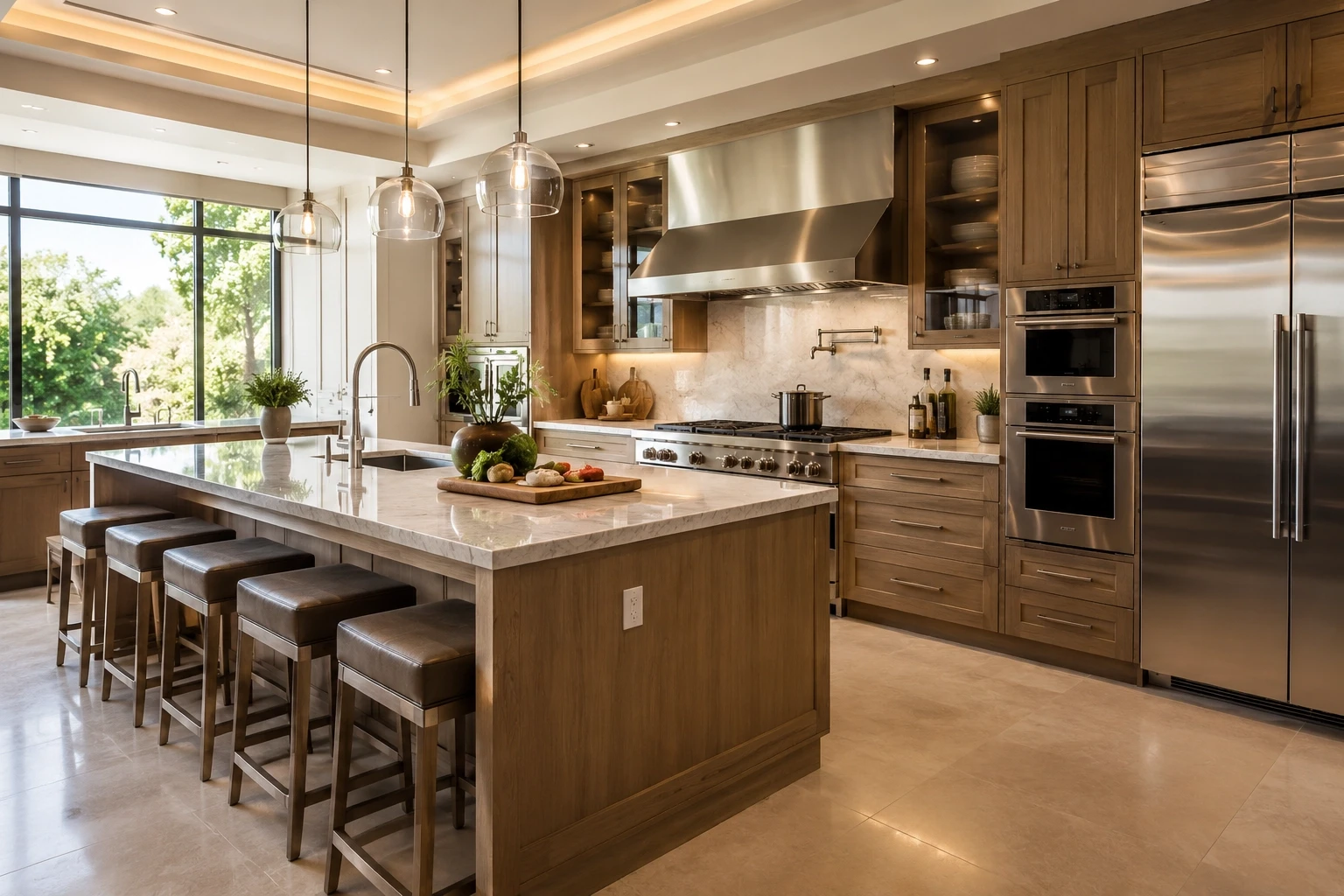
Chef kitchen design works best with smart work zones, durable surfaces, strong ventilation, efficient appliances, and lighting built for cooking.
A chef-friendly kitchen starts with an efficient layout, durable surfaces, smart storage, and properly positioned appliances. The goal is to make cooking easier without sacrificing style or comfort.
Whether you cook every day or simply enjoy preparing elaborate meals on weekends, good chef kitchen design focuses on how the space actually works. From prep zones and ventilation to lighting and cabinet storage, every detail can improve the cooking experience. With thoughtful planning, you can create a professional-feeling kitchen that still fits naturally into your home.
A chef-friendly kitchen should support the entire cooking process, from storing ingredients to preparing, cooking, serving, and cleaning. The best designs connect these activities while keeping frequently used items within easy reach.
The right kitchen layout for cooking should reflect your personal habits. Think about where you prepare ingredients, where you cook, where you store food, and how often you move between these areas.
Instead of relying only on the traditional kitchen work triangle, consider creating dedicated kitchen work zones:
You should also maintain comfortable clearance between islands, counters, and appliances. A crowded kitchen can make even a large space feel difficult to use.
For larger renovations, reviewing different kitchen layouts can help you determine whether an open arrangement or more defined cooking space fits your lifestyle.
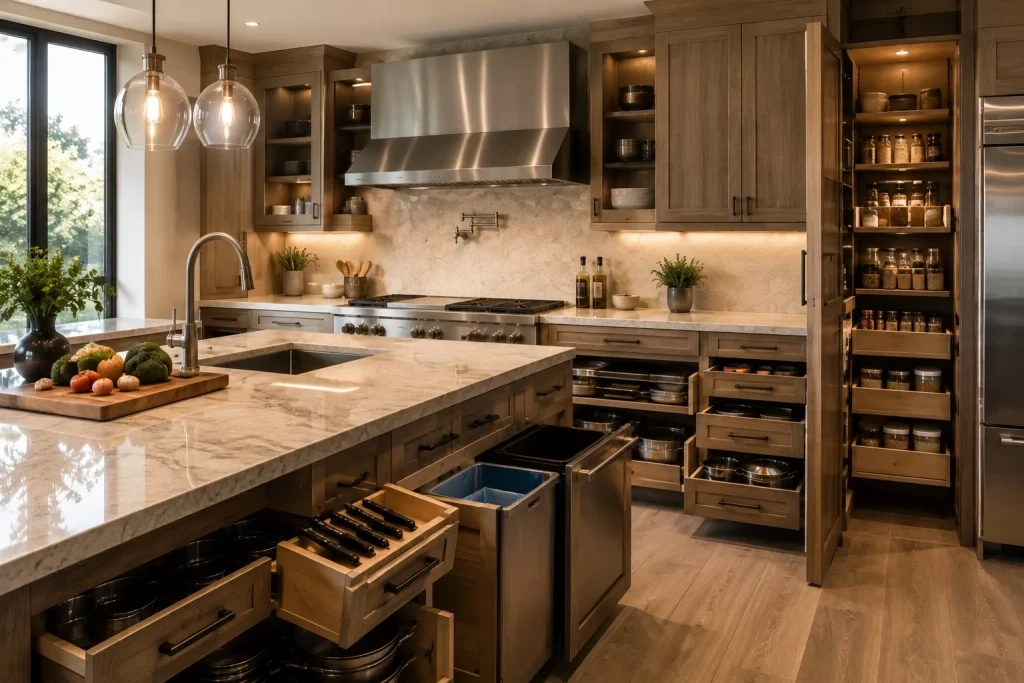
Kitchen cabinets for chefs should do more than look attractive. They need to organize cookware, ingredients, appliances, and everyday tools while keeping commonly used items accessible.
Deep drawers can work well for pots and pans, while pull-out shelves can make lower cabinets easier to access. Tall pantry cabinets can provide organized storage for dry goods, while dedicated appliance garages can keep smaller appliances available without cluttering the countertop.
Consider including:
A well-planned cabinet system is one of the most important parts of a functional kitchen design.
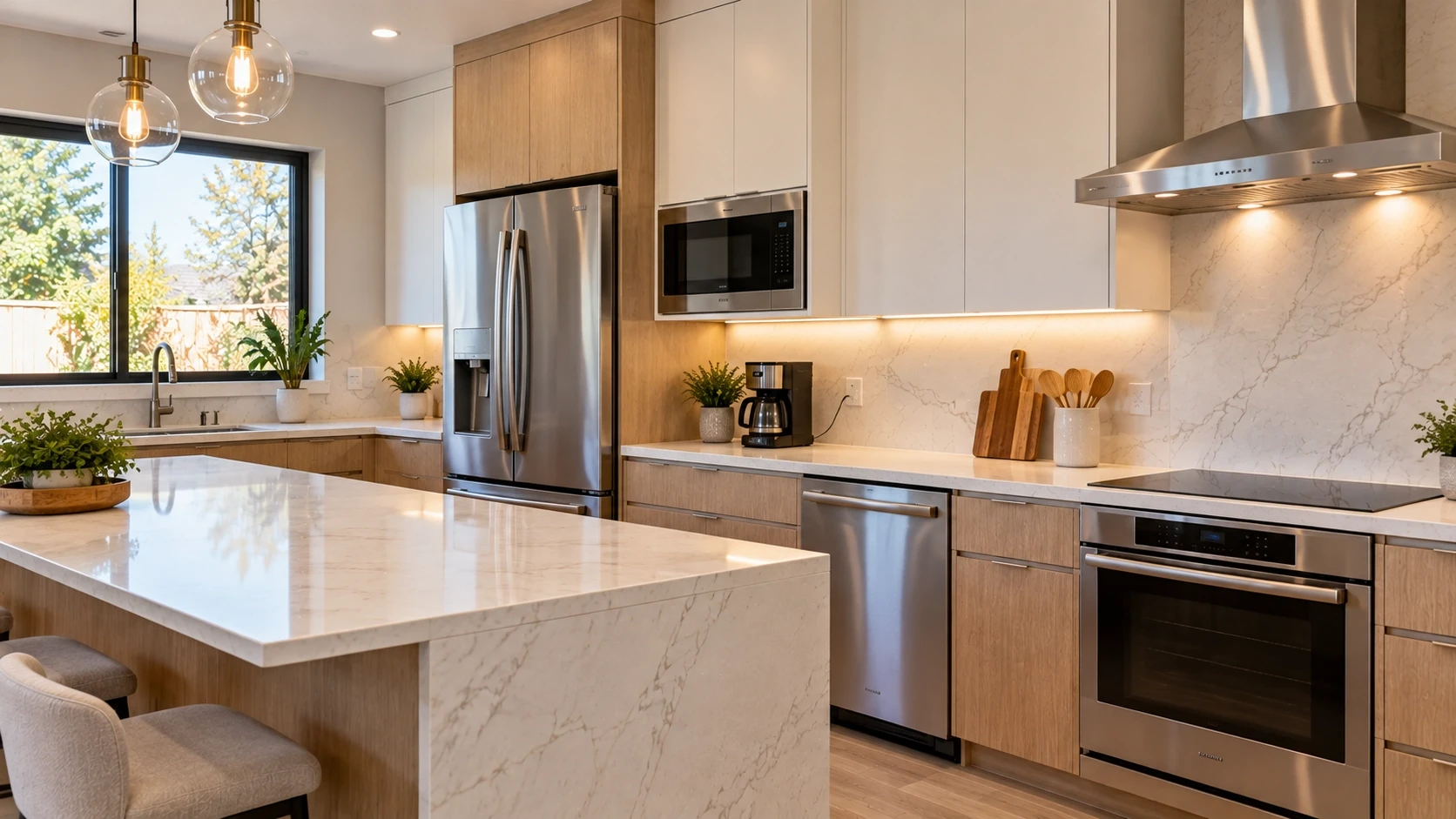
The best chef kitchen appliances depend on how you cook. A serious home cook may prioritize a powerful range, spacious refrigerator, effective ventilation, and multiple ovens, while another homeowner may need fewer specialized appliances.
Start by identifying your most frequent cooking tasks. Then select appliances that support those activities instead of filling the kitchen with equipment you rarely use.
The range or cooktop should have enough capacity for your typical meals. A refrigerator should be positioned where ingredients are easy to retrieve without disrupting the cooking zone.
Ventilation deserves special attention. A properly designed range hood helps remove cooking odors, heat, smoke, and airborne grease from the kitchen.
Appliance placement matters just as much as appliance quality. Avoid placing frequently used appliances where they create unnecessary traffic through the main cooking area.
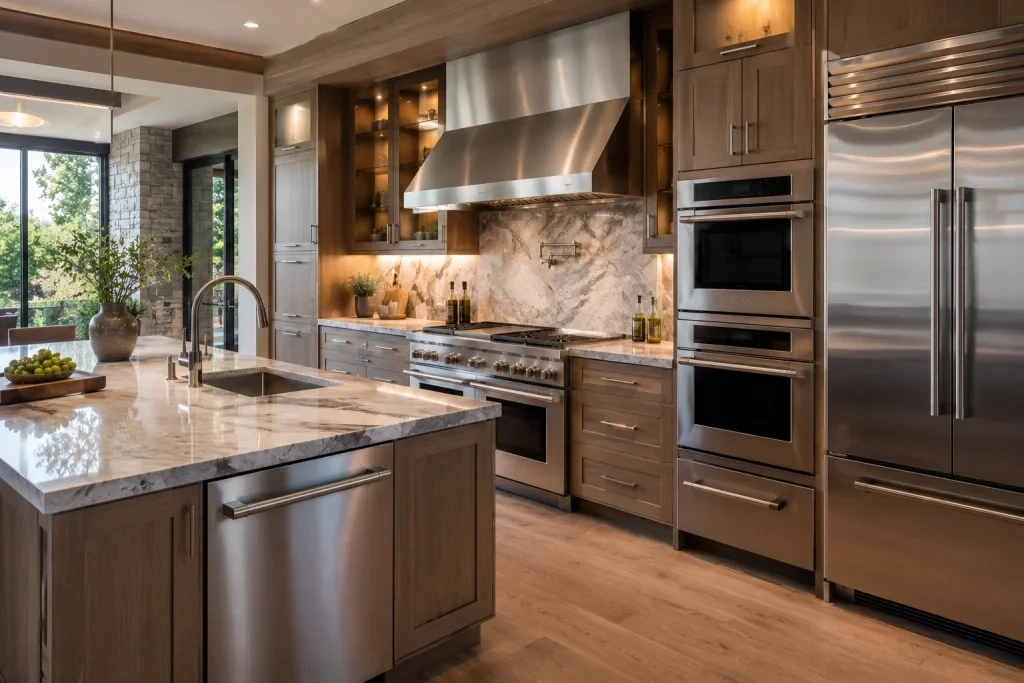
Chef-style kitchens experience more spills, heat, chopping, and daily wear than decorative kitchens. Your surfaces should therefore balance appearance with durability and easy maintenance.
Countertops need enough uninterrupted space for food preparation. Durable materials can make the kitchen easier to maintain, especially around the range and sink.
The backsplash should also protect the wall behind cooking areas from splashes and grease. Easy-to-clean materials are especially useful around high-use zones.
Flooring deserves equal attention. Choose a surface that can handle frequent foot traffic, occasional spills, and regular cleaning while providing comfortable footing.
Good kitchen lighting for cooking should make ingredients, surfaces, and appliances easy to see. A single ceiling fixture rarely provides enough illumination for a chef-friendly kitchen.
Use multiple layers of lighting:
Under-cabinet lighting is particularly useful because upper cabinets can cast shadows across countertops. Pendant lighting can also provide focused illumination over a kitchen island while contributing to the overall design.
Position fixtures based on where you actually work. Proper lighting should reduce shadows rather than simply make the room brighter.
Small design decisions can have a major effect on everyday cooking. A spacious island, conveniently positioned outlets, and accessible storage can make a kitchen feel significantly more efficient.
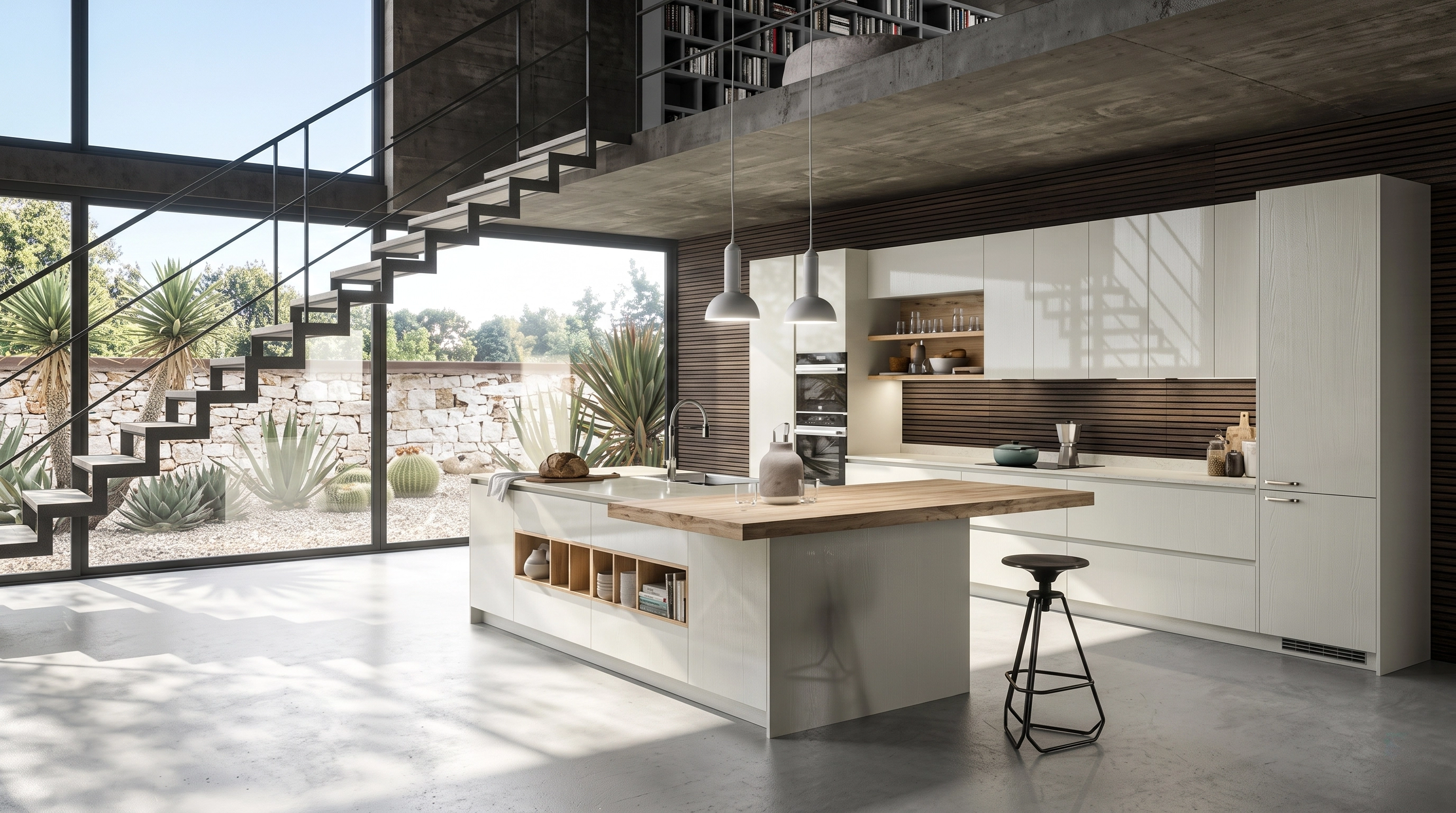
A well-designed island can provide additional prep space, seating, storage, or even a secondary sink. However, its size should match the room rather than restricting movement.
Other useful chef kitchen ideas include:
A chef-friendly kitchen does not require every premium feature. The smartest approach is to prioritize improvements that directly affect how you cook.
Start with the layout, because moving through the kitchen efficiently affects every meal. Next, invest in the areas you use most often, such as countertops, storage, lighting, and cooking equipment.
If your budget is limited, prioritize:
You can also phase certain upgrades. For example, you might prioritize cabinetry, countertops, and appliances during the main renovation while adding decorative features later.
Understanding the broader cost of a complete kitchen remodel can also help you establish realistic priorities before construction begins.
Designing a kitchen fit for a chef is primarily about function, efficiency, and thoughtful planning. The best kitchen layout supports your cooking habits, while smart storage keeps tools and ingredients accessible.
Durable surfaces, effective ventilation, layered lighting, and properly positioned appliances complete the design. You do not need a commercial kitchen to achieve a professional cooking experience. You need a space designed around the way you actually use it.
If you’re planning a kitchen renovation in Southern California, contact Home Renew 360 to discuss how a functional chef-friendly design can work within your home and budget.
The best layout depends on your cooking habits and available space. Efficient kitchens typically separate preparation, cooking, cleanup, and storage into convenient work zones.
There is no single ideal amount for every kitchen. Focus on creating enough uninterrupted prep space near the sink, refrigerator, and cooking area for your typical meals.
A chef-friendly kitchen commonly benefits from a quality range or cooktop, effective ventilation, a well-positioned refrigerator, and sufficient oven capacity. Additional appliances should reflect your cooking habits.
An efficient kitchen combines a practical layout, accessible storage, adequate prep space, good lighting, effective ventilation, and strategically positioned appliances. These features reduce unnecessary movement and make everyday cooking easier.
A chef-friendly kitchen commonly benefits from a quality range or cooktop, effective ventilation, a well-positioned refrigerator, and sufficient oven capacity. Additional appliances should reflect your cooking habits.