hoa-roofing-rules
Navigating HOA Roofing Rules: How to Get Your Roof Material Approved in Southern California

To get HOA roof approval in Southern California, review HOA rules, confirm approved materials & submit required documents before replacing your roof.
HOA roofing rules can determine which roofing materials, colors, and styles you can use on your home. Before replacing a roof, homeowners should review their HOA documents and obtain any required approval.
In Southern California, replacing a roof involves more than selecting a durable material. Homeowners may need to follow community appearance standards, submit product information, and complete an architectural review before work begins.
HOA requirements vary between communities. Some associations specify approved materials, colors, profiles, or finishes. Others may require homeowners to submit contractor details, product specifications, photographs, or samples.
Understanding these requirements early can help prevent rejected applications, material changes, and project delays. It also helps you select a roofing system that suits your home while meeting community standards.
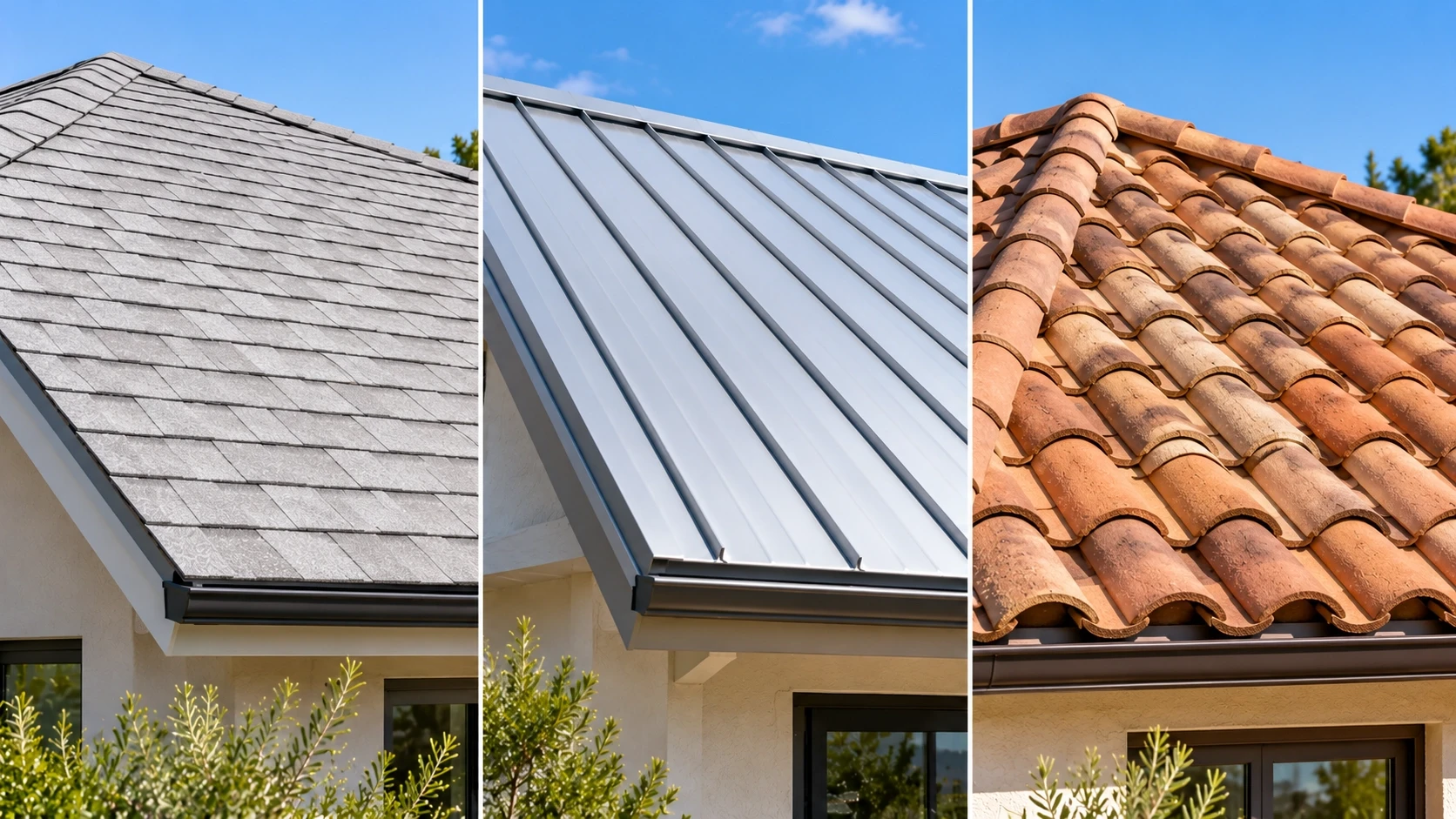
When planning the project, it helps to understand the different systems available through professional roofing services in Southern California, including asphalt shingles, tile, metal, flat, and TPO roofing.
HOAs commonly regulate visible exterior modifications to maintain a consistent appearance throughout a neighborhood. Since a roof can significantly affect a home’s appearance, roofing materials often fall under architectural guidelines.
Your HOA may have rules covering:
These HOA roof rules are separate from local construction requirements. A roofing material may satisfy applicable building requirements while still requiring approval from your homeowners association.
For that reason, homeowners should address both processes before construction begins. Reviewing your HOA documents and discussing your plans with a qualified contractor can help identify potential conflicts early.
There is no single list of HOA approved roofing materials for every Southern California community. Each association can establish its own architectural standards, so homeowners should confirm the exact requirements that apply to their property.
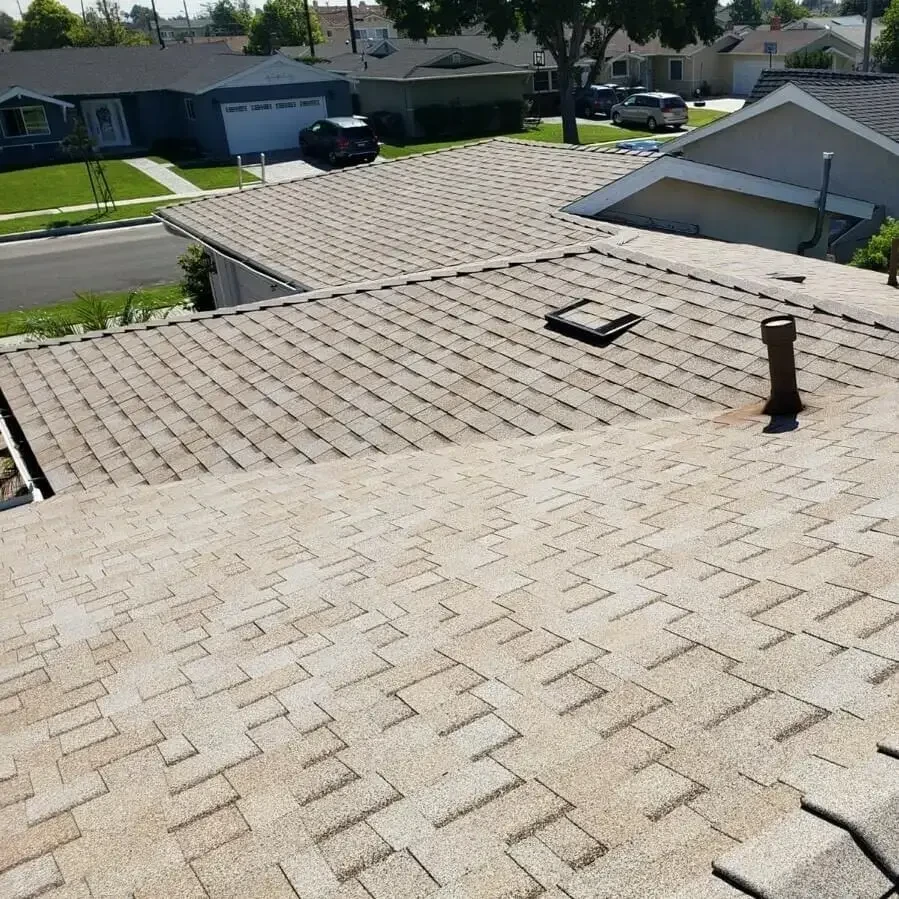
Asphalt shingles remain a common roofing choice because they are available in many colors, profiles, and styles. However, an HOA may limit which colors or shingle appearances are permitted within the community.
If you are considering asphalt shingles, check whether your HOA requires a specific color, profile, or product type. Do not assume that approval of asphalt shingles means every available option will be acceptable.
The home’s location and roof design also matter when selecting a system. Comparing roofing materials suited to Southern California can help you understand the differences before submitting your preferred option for HOA review.
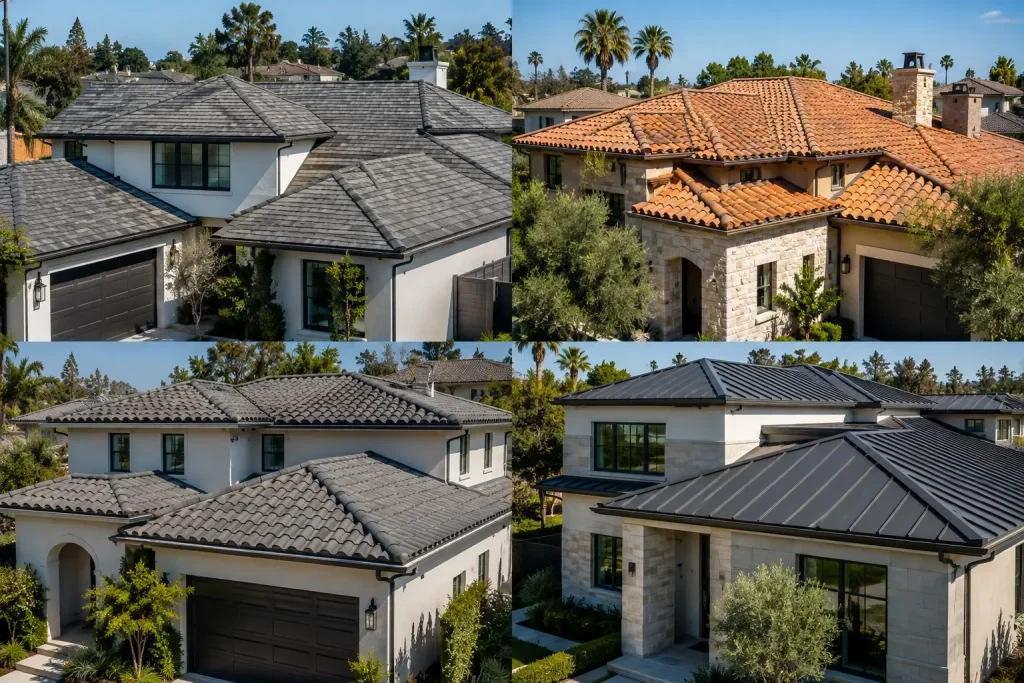
Clay and concrete tiles are common on Southern California homes and can complement Mediterranean, Spanish, and other architectural styles. They are available in different shapes, colors, and finishes.
An HOA may restrict specific tile colors, profiles, or finishes to maintain a consistent neighborhood appearance. Therefore, submitting the exact proposed product is more useful than simply identifying the project as a tile roof.
Tile can also differ significantly in weight. If you are changing from one roofing system to another, your contractor should evaluate the existing roof structure and applicable requirements before installation.
Metal roofing offers a range of profiles, finishes, and colors. While some homeowners choose metal for its appearance and performance characteristics, HOA roofing restrictions may limit which styles are acceptable.
When submitting a metal roof for approval, provide specific product information. Identify the proposed color, finish, profile, and other details requested by the HOA.
This gives the architectural committee a clearer representation of the finished roof. It can also prevent confusion if the community permits some metal roofing options but not others.
Flat and low-slope roofs require roofing systems designed for their specific slope and drainage conditions. TPO is one system used for certain low-slope applications.
For these properties, HOA review may focus on visible portions of the roof and how the proposed system affects the home’s exterior appearance. The contractor should also confirm that the proposed roofing system is appropriate for the roof design.
Because roofing requirements can vary considerably between homes and communities, material selection should happen after reviewing both the HOA guidelines and project conditions.
The best time to investigate HOA requirements is before selecting your final roofing material. A few early checks can make the approval process much smoother.
Start by reviewing your HOA’s current CC&Rs, architectural guidelines, and exterior modification procedures. Look for sections addressing roof replacement, exterior improvements, architectural changes, and maintenance.
Check whether the documents require approval for replacing an existing roof. Some communities may have different procedures for routine maintenance and changes that affect exterior appearance.
If you are already concerned about the condition of your roof, an inspection can help determine the scope of work before submitting an application. Checking for issues such as leaks, damaged shingles, sagging, or widespread deterioration with a thorough roof inspection checklist can help establish whether replacement is necessary.
Avoid relying solely on information from neighbors or older HOA documents. Rules and procedures can change, so confirm that you are working from the current requirements.
Do not stop at finding out whether your HOA allows tile, shingles, or metal. Ask whether the association has specific requirements for colors, profiles, finishes, or products.
Before ordering materials, confirm:
Getting this information before purchasing materials can prevent an expensive change later.
Cost can also influence the final material decision. When comparing options, consider the roofing system, labor, removal, and any structural work that may be required. Reviewing typical roof replacement costs can help you establish a realistic project budget before submitting your proposal.
HOA approval is only one part of the roofing process. Your project must also meet applicable construction requirements for the property and location.
Depending on the project, considerations may include fire performance, structural requirements, permits, energy requirements, and local building codes.
California’s climate can also make energy performance an important consideration for some homeowners. If your proposed roofing system involves cool-roof requirements or potential incentives, verify the applicable criteria before purchasing materials.
Your roofing contractor can help identify which technical requirements apply to the proposed system and coordinate them with the HOA submission.
Once you understand the HOA roofing requirements, prepare a complete application before submitting it. Providing accurate information gives the architectural committee a clearer basis for reviewing your proposal.
Gather the documents required by your HOA and make sure the information is consistent throughout the application.
Depending on the association, the application may request:
Ask the HOA whether additional documents are required. Submitting everything together can reduce the need for repeated requests for information.
When an HOA requests samples or product specifications, provide information for the exact material you plan to install.
For example, if you are proposing a specific tile color, identify that exact color rather than simply stating that you want a tile roof. The same applies to shingles, metal roofing, and other systems with multiple colors or finishes.
Clear documentation helps the HOA evaluate the proposal and helps your contractor order materials that match the approved design.
Follow the HOA’s stated submission process carefully. Confirm where applications should be submitted, whether a fee applies, and when the architectural committee reviews applications.
Keep copies of your application and supporting documents. Once approval is granted, retain the written decision with your project records.
Avoid scheduling final installation based only on an informal conversation. Written approval provides a clearer record of what the HOA actually approved.
An HOA may request additional information or ask you to modify part of your proposal. A request for clarification does not necessarily mean the entire project has been rejected.
Review the requested changes with your roofing contractor. If the HOA requires a different color, profile, or material, determine whether another approved option can meet the home’s functional and aesthetic needs.
Respond promptly and provide the requested information clearly. This can help keep the review process moving without unnecessary back-and-forth.

If your preferred material is not approved, first determine why. The restriction may relate to color, appearance, product specifications, or broader architectural standards.
Ask whether the HOA has an approved alternative with similar characteristics. You may be able to select another roofing system that provides the appearance or performance you want while complying with the community’s guidelines.
If you believe the proposed material deserves consideration, ask whether the HOA has a formal exception, variance, or appeal procedure. Follow that process rather than installing the material first and seeking approval afterward.
Your contractor can also help compare alternatives. A company experienced with multiple roofing systems can identify options that balance your preferences with HOA requirements.
Energy performance may also influence your choice. However, homeowners should verify that any energy-related roofing option meets both HOA guidelines and applicable program requirements before purchasing materials.
There is no universal timeline for HOA roof approval. Processing time depends on the association’s procedures, application requirements, architectural committee schedule, and whether the submission is complete.
A straightforward application with complete product information may be easier to review than one requiring additional documents or design changes.
Before setting your roofing schedule, ask the HOA:
Build reasonable time into your project schedule for the review process. Avoid ordering specialty materials or committing to a final installation date until you understand the approval requirements.
Navigating HOA roofing rules starts with understanding your community’s requirements before choosing or ordering materials. Review the CC&Rs and architectural guidelines, confirm approved materials and colors, and prepare the required documentation carefully.
Remember that HOA approval and local construction requirements are separate considerations. A roofing project should satisfy both the community’s architectural standards and the requirements applicable to the property.
Working with an experienced roofing contractor can make this process easier. Home Renew 360 offers roofing services throughout Southern California, including asphalt shingle, tile, metal, flat, and TPO systems.
Whether you are replacing an aging roof or planning a complete roofing upgrade, proper preparation can help you move from material selection to HOA approval with fewer surprises. If you are ready to discuss your roofing needs, you can contact Home Renew 360 about your project.
An HOA may establish architectural rules that regulate visible exterior features, including roofing materials, colors, and styles. The specific restrictions depend on the community’s governing documents and applicable requirements.
You may need HOA approval before replacing your roof, particularly when the project changes the roof’s visible material, color, profile, or appearance. Some communities may have different procedures for maintenance and exterior modifications. Check your HOA’s current rules before scheduling the work.
Building-code compliance and HOA approval are separate considerations. A material can meet applicable construction requirements while still conflicting with an HOA’s architectural guidelines. If your proposal is denied, ask for the reason and determine whether an approved alternative or formal review process is available.
Contact your HOA and roofing contractor as soon as possible. Explain the condition of the roof and ask whether the community has an emergency repair or replacement procedure. If temporary work is necessary to limit property damage, document the condition and keep records of repairs and communications. Then confirm the approval requirements for the permanent replacement.