historic-home-restoration
Historic Home Restorations: Navigating Rules for Vintage Homes in Southern Cali
Yes, you can restore a historic home in Southern California, but local rules may affect permits, exterior changes, materials, and modern upgrades.
Historic home restoration in Southern California requires balancing modern comfort with the character of an older property. Before remodeling, homeowners should understand whether the home has historic protections, what changes may require approval, and how to update the property without losing its original charm. This guide explains the main rules, common challenges, and planning steps to consider before starting a vintage home renovation.
Not every older house is legally considered a historic property. A home may simply be an older residence with architectural character, while another may have an official historic designation or be located within a historic district.
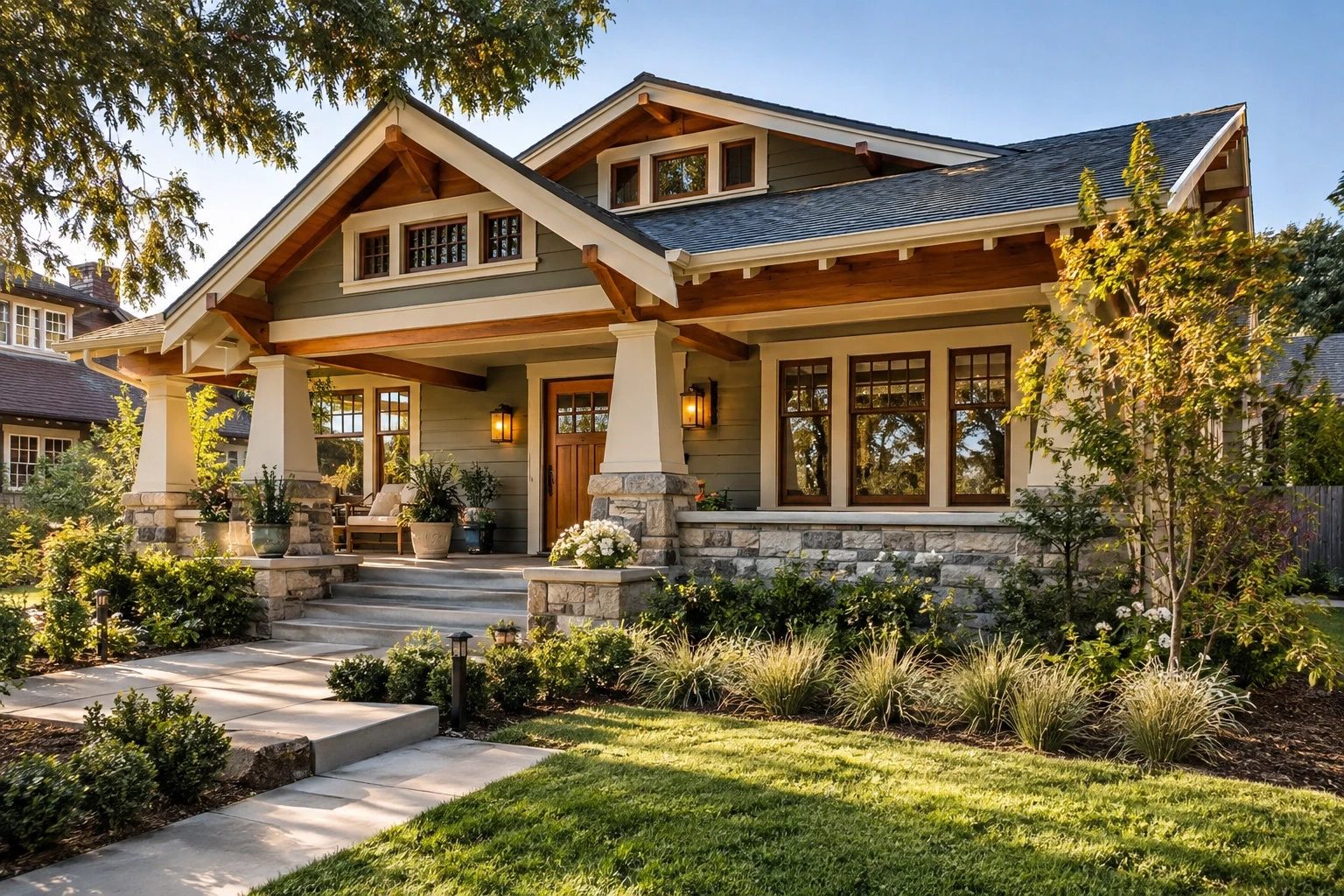
Southern California has many older homes with distinctive architectural styles, including Craftsman, Spanish Colonial Revival, Victorian, and Mid-Century homes. These properties can have features that homeowners want to preserve while still making the home more comfortable and functional.
Before starting a historic house renovation, find out whether the property has a formal designation or is subject to local preservation requirements. This distinction can affect what you are allowed to change and whether additional review is needed.
Important things to check include:
Knowing this information early can help you avoid design changes, delays, or unexpected costs later in the project.
Historic home remodeling rules can affect the design and construction process. Requirements vary depending on the property’s location, designation, and the type of renovation being planned.
Some Southern California homes may be individually designated as historic or recognized through a local preservation program. These properties may have requirements intended to protect important architectural features.
Before changing the exterior or removing original features, homeowners should determine what protections apply to the property.
Depending on local requirements, review may focus on features such as exterior materials, windows, doors, rooflines, porches, architectural details, or other visible elements.
The key is to understand the property’s requirements before finalizing the remodeling plans.
A home does not always need to be individually designated to have preservation-related requirements. If it sits within a designated historic district, neighborhood-specific rules may apply.
For example, exterior changes such as a new addition, window replacement, roof alteration, or significant changes to the front of the home may require additional review.
Because historic preservation regulations in California can vary between cities and properties, homeowners should check the specific requirements for their location instead of assuming that every vintage home follows the same rules.
Historic homes still need to meet applicable current building and safety requirements. Depending on the project, historic home renovation permits may be needed for structural, electrical, plumbing, mechanical, roofing, or other construction work.
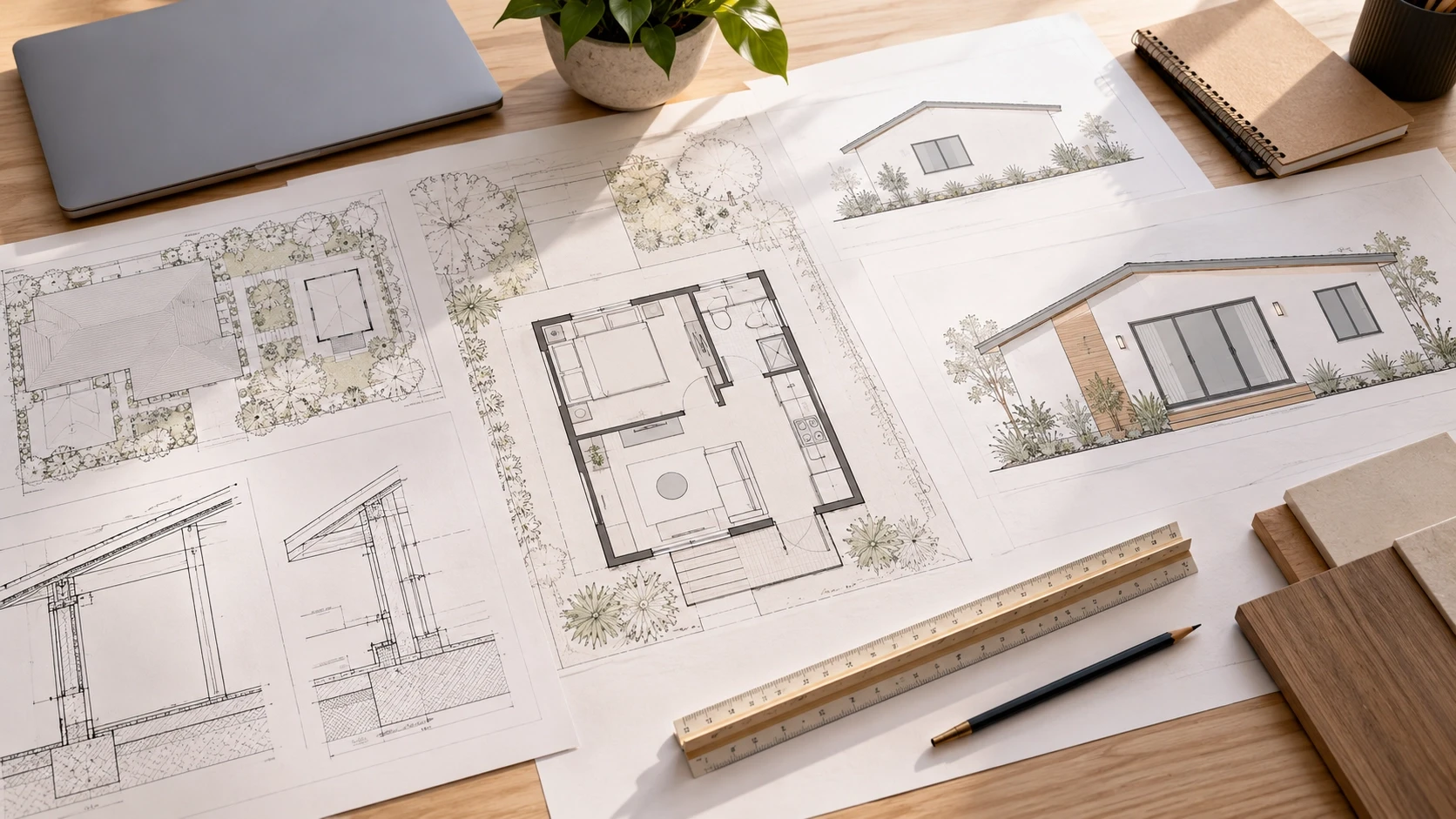
A larger renovation may involve several stages of design, review, permitting, and construction. Planning these steps early can make the project easier to manage.
For homeowners considering a larger renovation, understanding the expected timeline for a complete home remodel can also help with planning, although historic properties may require additional time depending on their specific requirements.
Historic preservation does not always mean leaving an old house exactly as it was. Many vintage homes can be updated for modern living while important architectural features are retained.
The right approach depends on the property’s designation, condition, and local requirements.
Exterior work deserves careful planning because it can change the appearance of the home and, in some cases, the surrounding historic character.
Changes may include additions, exterior finishes, paint, porches, siding, roof forms, or other architectural details.
Before making these changes, identify which features are important to the home’s character. Original trim, decorative elements, porch details, rooflines, and exterior materials may be worth preserving or carefully restoring.
A new addition can still provide modern space without overwhelming the original structure. The design should consider the home’s scale, proportions, materials, and architectural style.
Windows and doors often have a major impact on the appearance of a vintage home. If original windows are damaged, homeowners should first determine whether repair is practical before automatically replacing them.
When replacement is necessary, the new windows should be appropriate for the property’s design and any applicable historic preservation requirements.
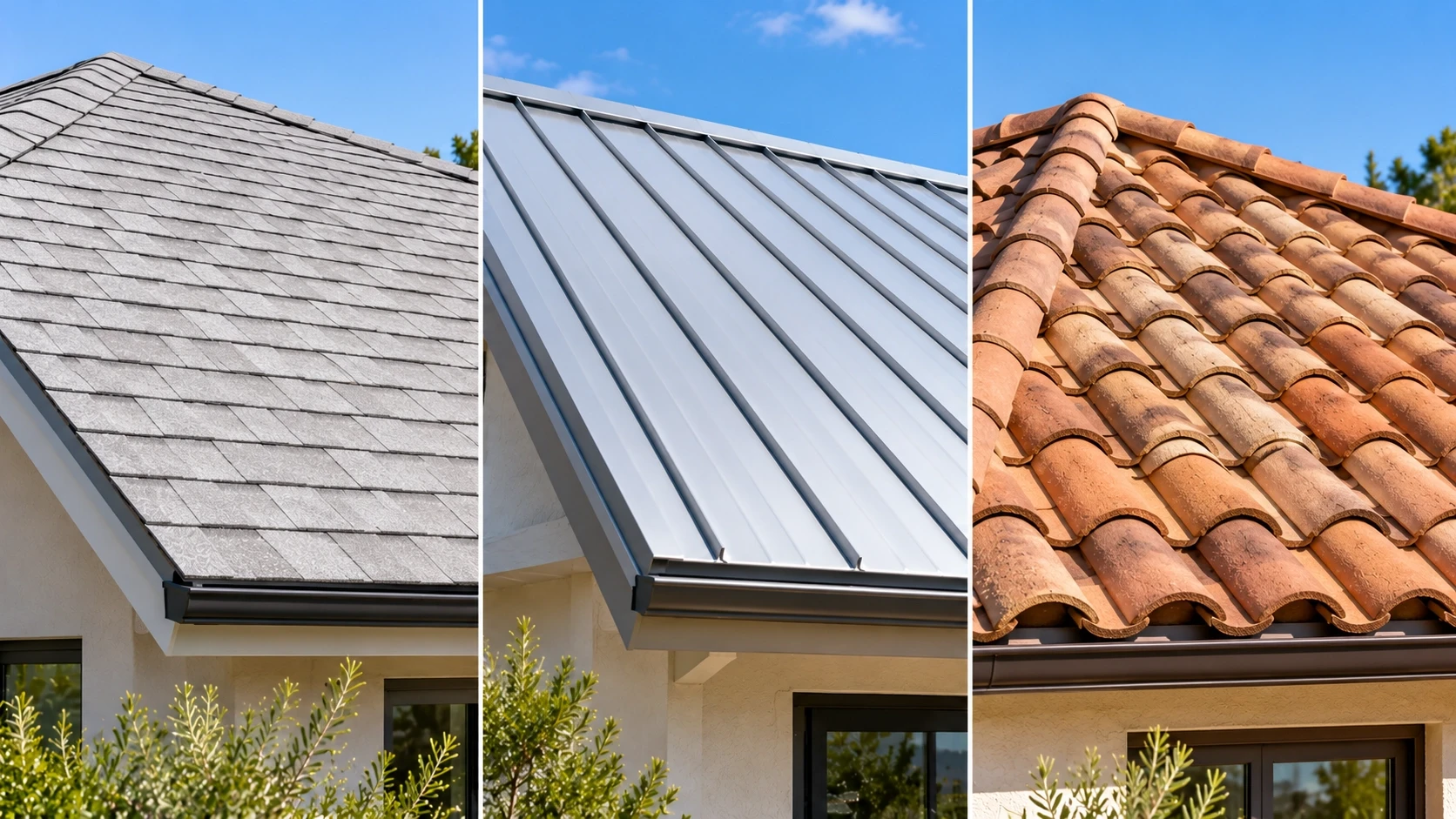
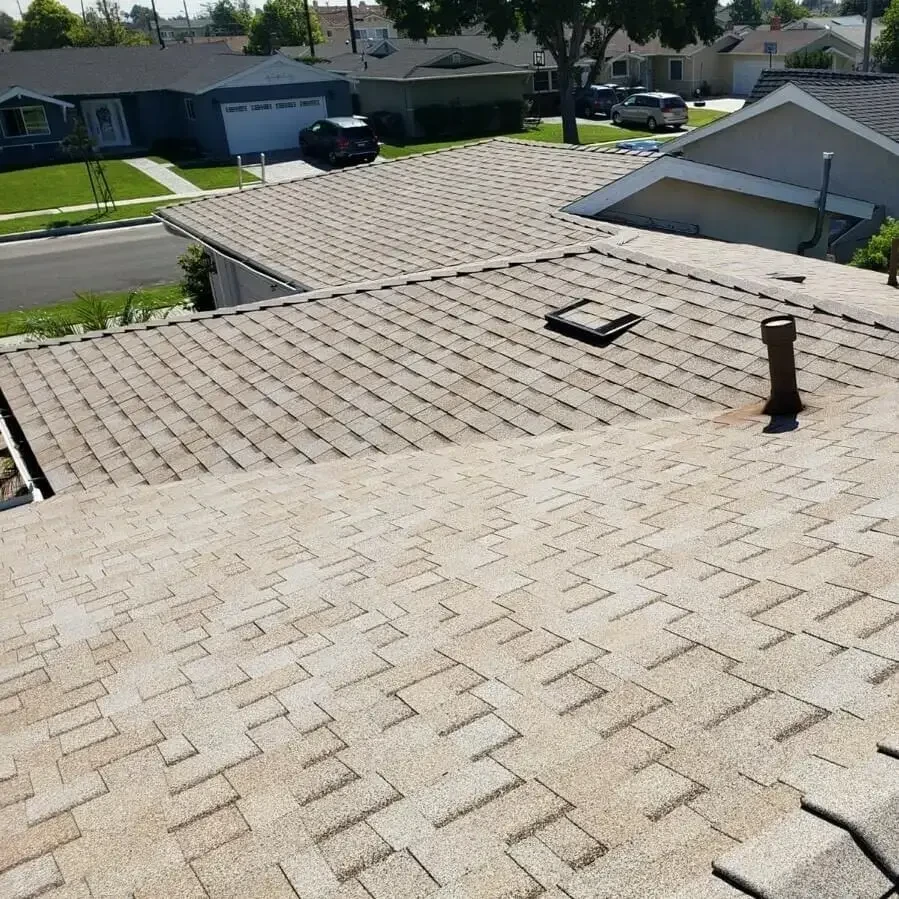
Roofing also requires careful consideration. A new roof can improve protection and performance while maintaining an appearance that works with the home’s architectural style.
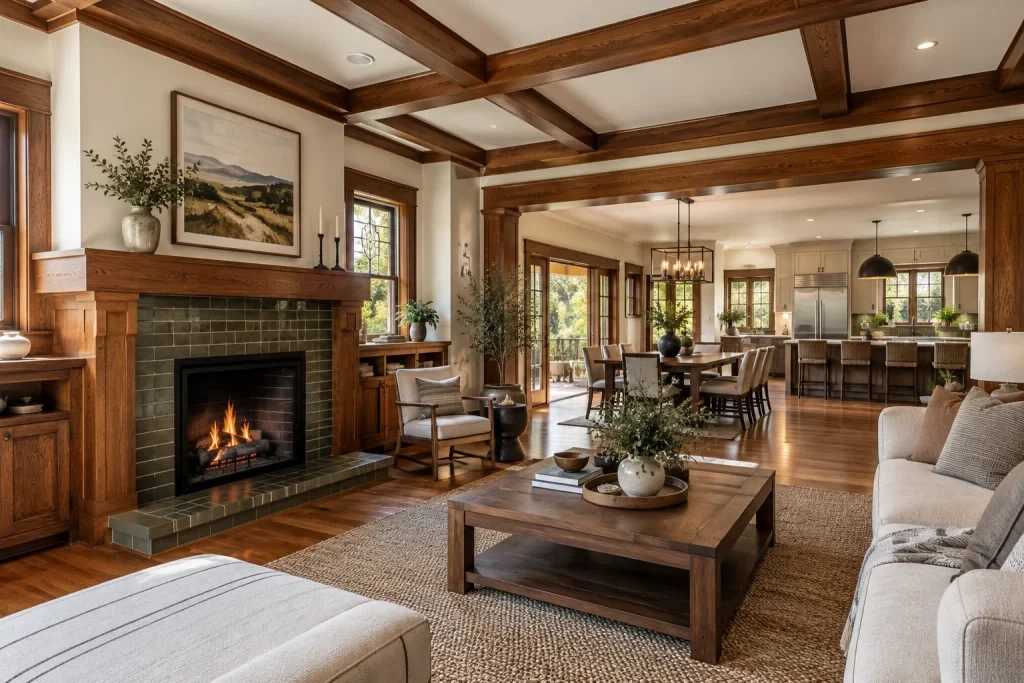
Other features, such as original woodwork, fireplaces, built-ins, flooring, and decorative trim, should also be evaluated before removal. Preserving these details can help maintain the character that makes an older home unique.
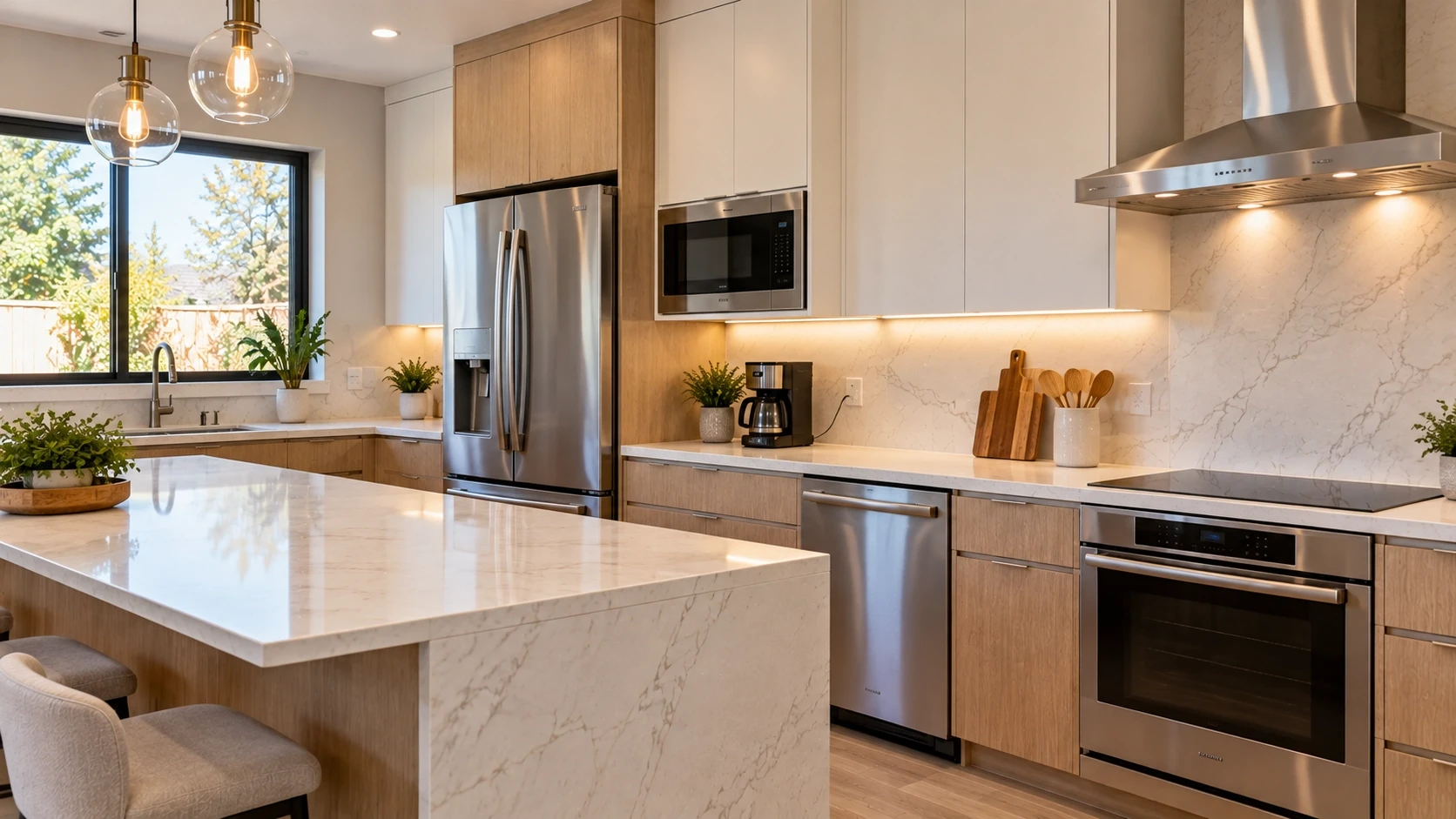
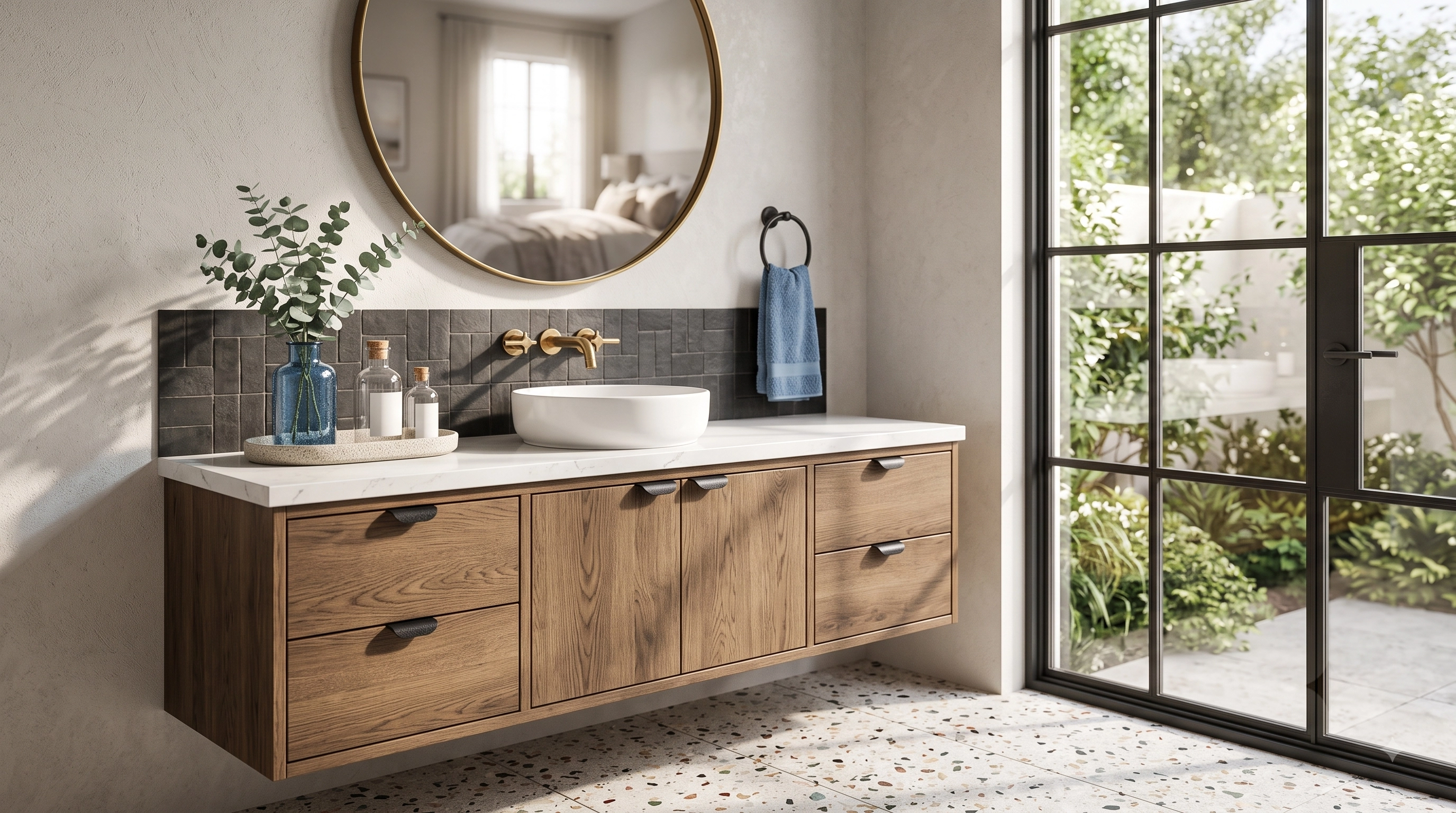
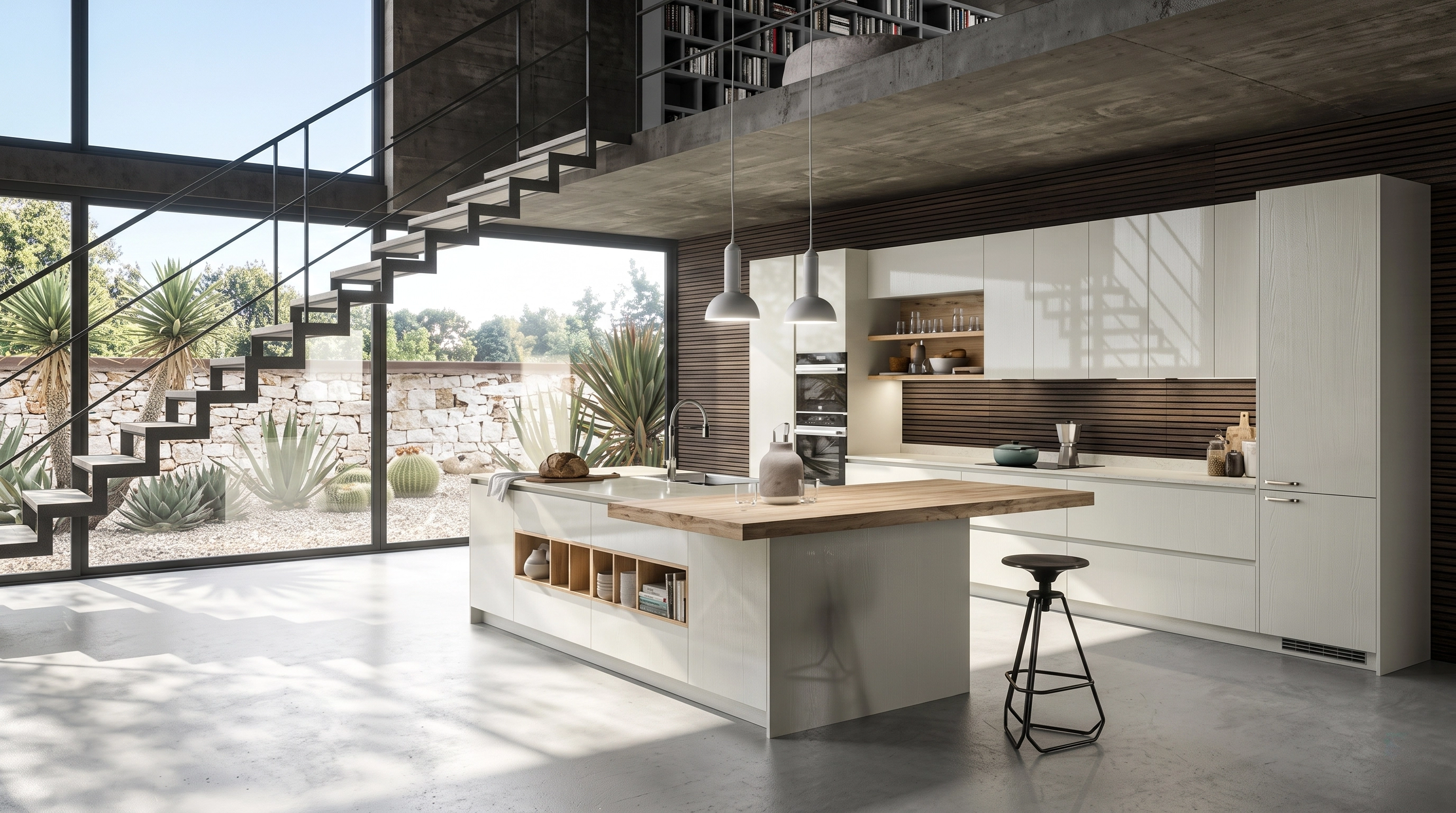
Interior remodeling often provides more flexibility than exterior changes. Kitchens, bathrooms, bedrooms, storage areas, and living spaces can be redesigned to meet modern needs.
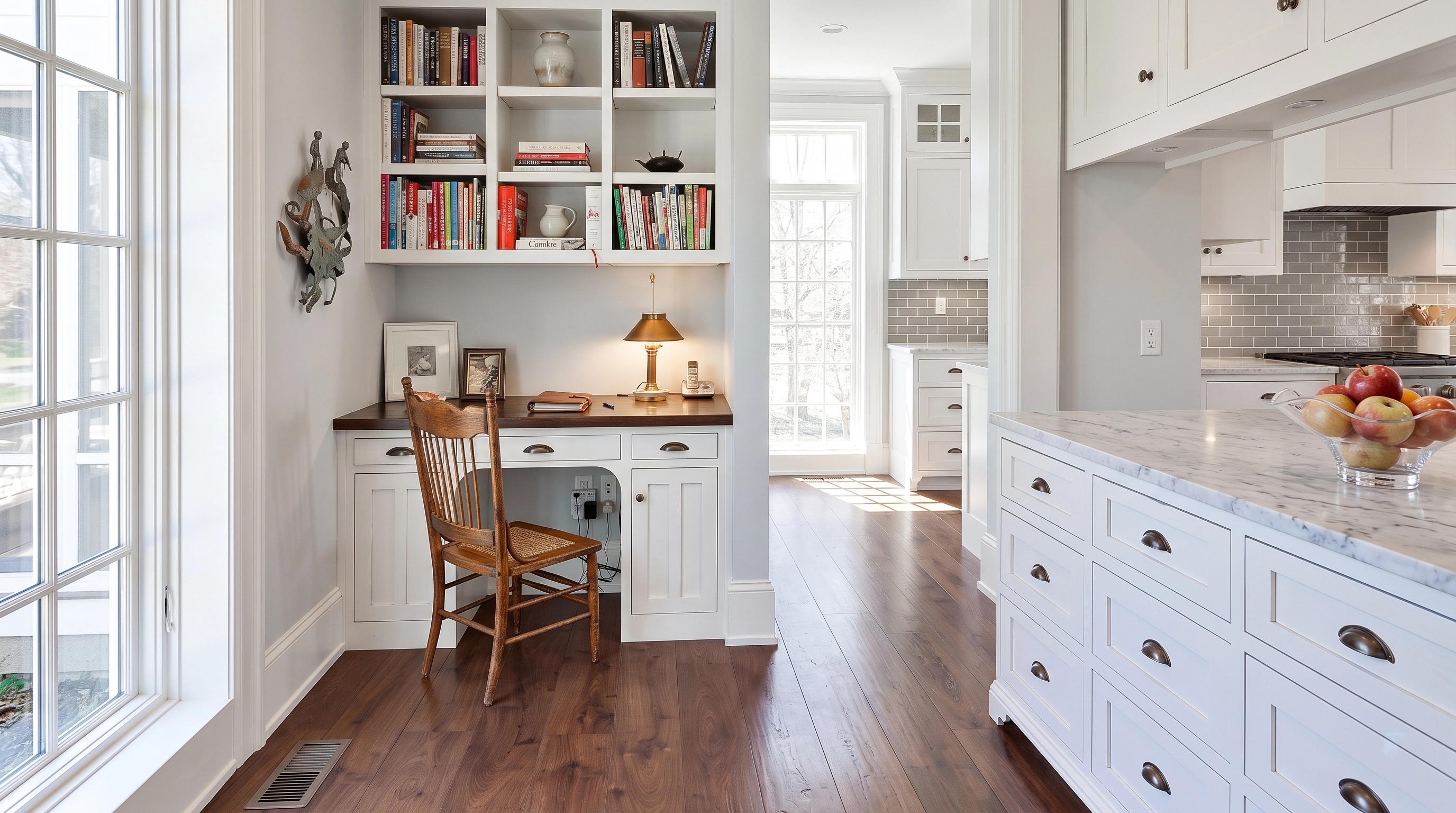
However, older homes may contain valuable original details that should not be removed without consideration. Built-in cabinets, doors, wood floors, fireplaces, trim, and other features can often become part of the updated design.
A complete home remodeling approach can bring several areas together instead of treating each room as a separate project. Homeowners can use a complete home remodeling checklist to organize major decisions before construction begins.
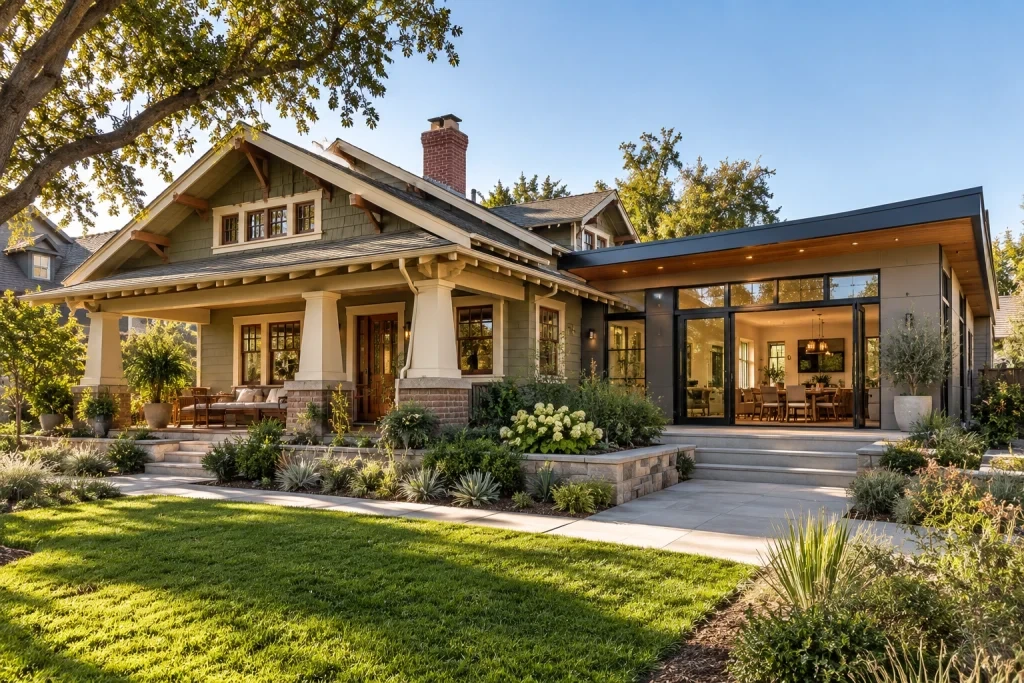
The goal of a successful vintage home restoration is not simply to make the property look old. It is to preserve the features that give the home its identity while improving safety, comfort, efficiency, and everyday function.
Start by documenting the home’s existing condition. Take note of original materials and distinctive architectural features before remodeling begins.
Features such as woodwork, doors, flooring, windows, built-ins, fireplaces, and exterior details may contribute significantly to the property’s character.
Where practical, repair can be considered before replacement. If a feature is too damaged to restore, a compatible replacement may provide a better solution than using a completely unrelated modern material.
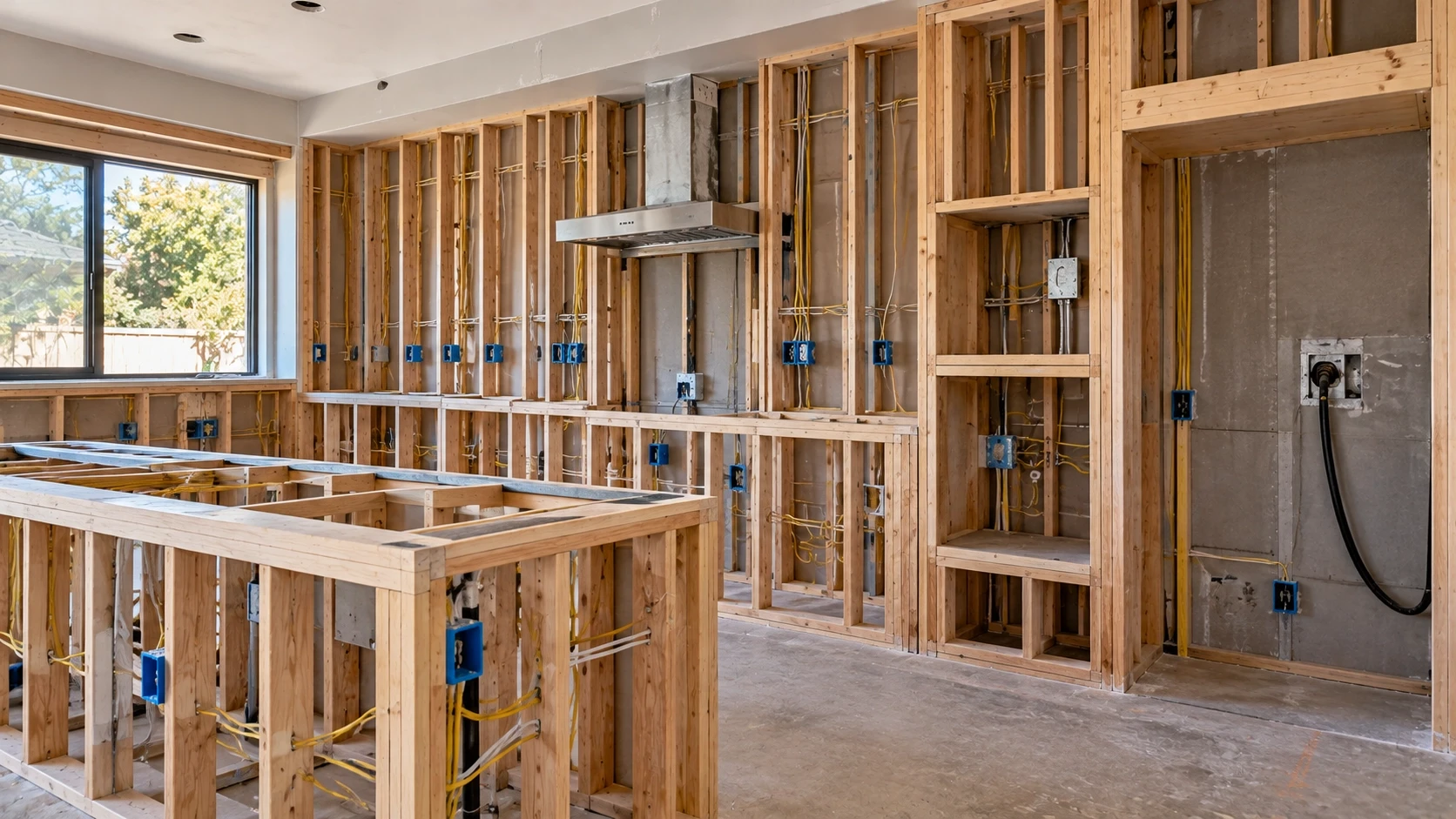
Older homes may need updates to electrical, plumbing, heating, cooling, insulation, and ventilation systems.
These improvements can usually be incorporated into a larger renovation plan while keeping them as visually unobtrusive as possible. For example, new mechanical equipment and utility runs can be planned around important architectural spaces.
Energy-efficient windows, improved insulation, modern HVAC equipment, and other upgrades may also improve comfort and efficiency. The appropriate improvements depend on the property’s existing condition and applicable requirements.
An addition should solve a practical need while respecting the original home’s appearance.
Consider the roofline, scale, window placement, materials, and transition between old and new construction. A well-planned addition should feel connected to the original house without trying to copy every historic detail.
When planning several changes at once, planning a complete home remodel can help homeowners organize the project before design and construction begin.
Restoring an older property can uncover problems that were not visible during the initial inspection. Good planning helps homeowners prepare for these possibilities.
A successful California historic home restoration starts with understanding the property before construction begins. A clear plan helps connect preservation goals with the practical needs of the household.
Begin by learning about the home’s age, architectural style, designation status, and location.
Determine whether the property is individually designated, located within a historic district, or subject to other local requirements.
Then identify which proposed changes may require permits or additional review. This is particularly important for exterior modifications, structural work, additions, windows, doors, and roofing.
Separate the project into preservation priorities, necessary repairs, system upgrades, and desired improvements.
Do not focus only on visible finishes. Electrical, plumbing, HVAC, structural work, roofing, insulation, and other hidden components can affect the total project scope.
It is also wise to allow room in the budget for unexpected conditions that may be discovered during construction. Homeowners can review complete home remodeling costs in California when developing an initial budget for a larger renovation.
Once the scope is clear, develop a design that protects important historic features while improving how the home works for everyday life.
Before construction begins, confirm applicable permits and reviews, finalize materials, establish the construction sequence, and coordinate the trades involved.
Working with a licensed remodeling contractor can also help coordinate multiple parts of a larger renovation. Home Renew 360 is a licensed home remodeling contractor based in Long Beach and serves homeowners throughout Southern California.
Historic home restoration in Southern California requires careful planning, but an older home does not have to remain stuck in the past. Homeowners can preserve important architectural features while improving comfort, safety, efficiency, and functionality.
The first step is understanding the property’s historic status and the rules that apply. From there, homeowners can identify features worth preserving, plan necessary repairs and upgrades, establish a realistic budget, and coordinate design and permitting before construction begins.
With the right approach, a vintage home can retain its original character while becoming a better fit for modern living.
They may. Requirements depend on the property’s designation, location, and the type of work being performed. Exterior changes and work affecting historically significant features may require additional review in some locations.
Yes. Modern kitchens, bathrooms, electrical systems, plumbing, HVAC, energy-efficiency improvements, and other upgrades can often be incorporated into historic homes. The design should consider both the property’s character and applicable requirements.
Replacement may be possible, but the requirements depend on the property and local regulations. If original windows, doors, roofing, or other features are historically significant, homeowners should determine whether repair or a compatible replacement is appropriate before removing them.
There is no standard timeline for every historic home renovation. The duration depends on the home’s condition, project size, design, permits, preservation review, material availability, and the amount of structural or systems work required. Larger restorations generally require more planning than smaller renovations.