exterior-paint-warning-signs
Exterior Paint Warning Signs Every Homeowner Should Know
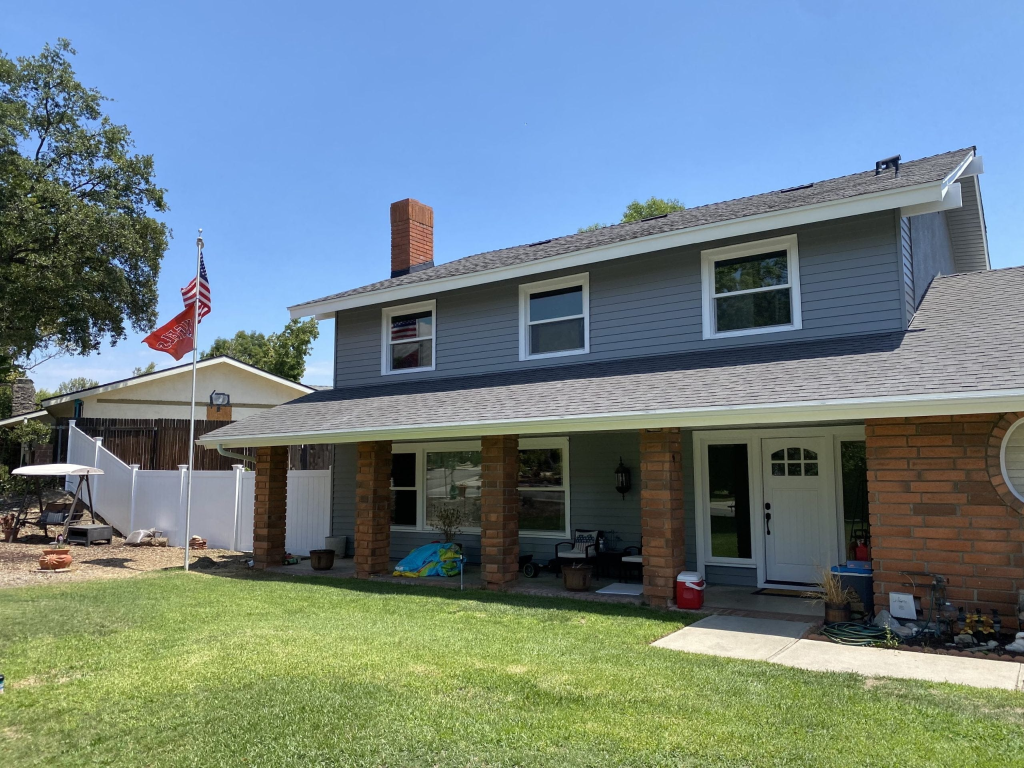
Spot exterior paint warning signs early and protect your home from moisture, fading, structural damage and costly surface repairs.
Your home’s exterior paint does more than add curb appeal. It acts as a protective barrier against sun, rain, moisture, and temperature changes. When paint begins to fail, it often reveals deeper issues that can affect the structure beneath. In this guide, you will learn the key exterior paint warning signs to watch for, what they indicate about your home’s condition, and when it is time to take action before small problems turn into costly repairs.
Exterior paint serves as the first line of defense between your home and the elements. While many homeowners view paint as a cosmetic feature, it actually plays a critical protective role. Quality exterior paint shields surfaces from moisture, harsh sunlight, temperature changes, and airborne pollutants that gradually weaken building materials.
When paint begins to deteriorate, the protective layer breaks down and exposes the underlying surfaces to damage. Wood can absorb moisture, stucco can develop cracks, and structural components may begin to degrade without visible warning. Maintaining exterior paint is not only about keeping the home attractive but also about preserving its structural integrity and long term durability.
Exterior paint rarely fails all at once. Instead, it shows gradual warning signs that indicate the protective barrier is weakening. Recognizing these signs early allows homeowners to take corrective action before minor issues turn into expensive structural repairs.
Peeling, cracking, or bubbling often occurs when moisture becomes trapped beneath the paint surface. This condition signals that the paint has lost adhesion and can no longer protect the material underneath. If left unaddressed, water can penetrate deeper into walls and cause wood rot or surface deterioration.
Constant exposure to sunlight breaks down paint pigments over time. Fading and uneven discoloration are signs that the paint’s protective qualities are weakening. As the paint loses its strength, surfaces become more vulnerable to environmental damage.
When you rub your hand across the wall and notice a powdery residue, it indicates paint breakdown. This chalking happens as the paint film degrades due to weather exposure. It reduces the paint’s ability to protect the surface and signals that repainting may be necessary soon.
Dark patches, green growth, or black stains often appear in areas with high moisture exposure. These signs indicate that water is penetrating or lingering on the surface. Mold and mildew not only affect appearance but can also damage building materials over time.
Visible patches of exposed wood, stucco, or siding mean the protective paint layer has completely worn away in those areas. Without immediate attention, these surfaces can quickly deteriorate due to moisture and environmental exposure.
Cracks near windows and doors often appear when paint and sealants begin to fail. These openings allow moisture to enter and weaken surrounding materials. Addressing these signs early helps prevent water damage and maintains the home’s exterior envelope.
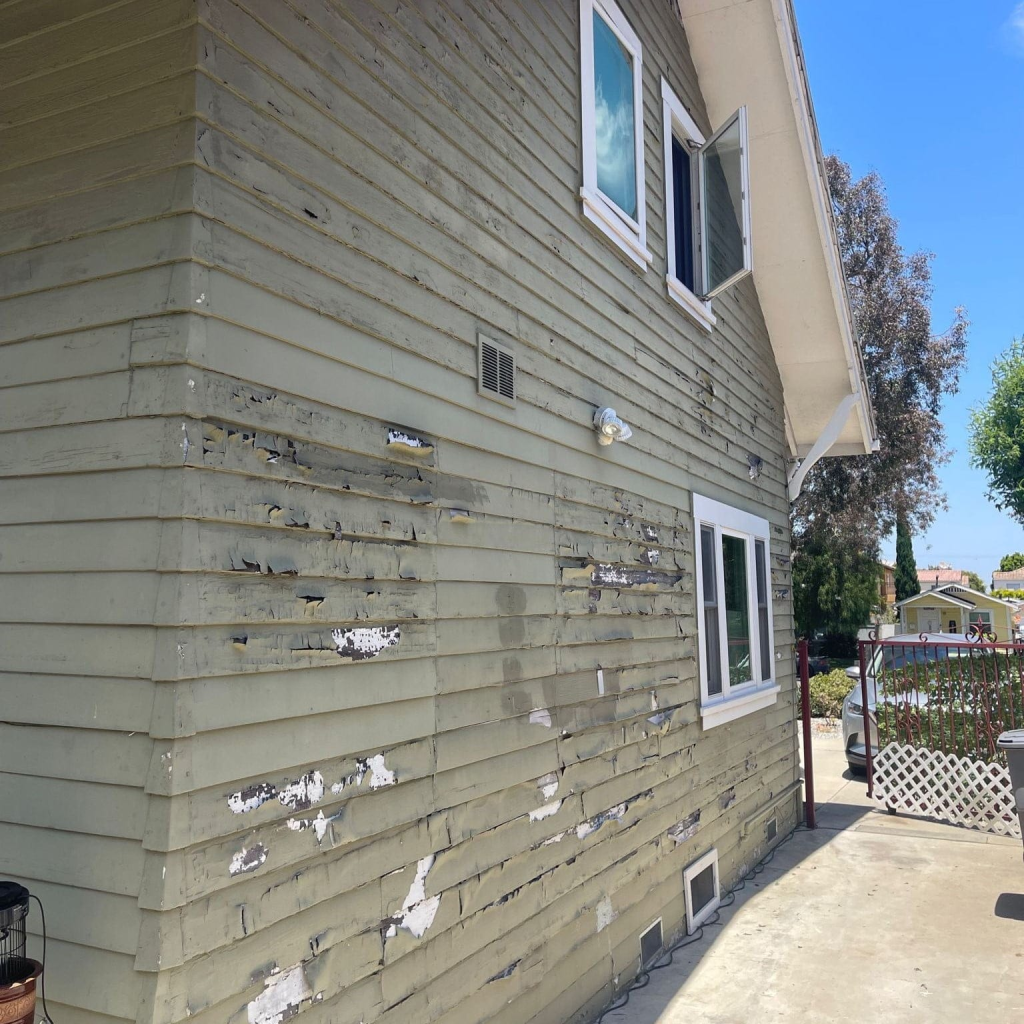
Exterior paint issues often point to deeper concerns that may not be immediately visible. When paint begins to fail, it usually indicates that moisture, heat, or environmental stress has started affecting the building materials underneath. Peeling paint can signal trapped moisture inside walls, while cracks and gaps may reveal movement in the structure or failing sealants.
These visible signs act as early warnings that the home’s protective envelope is weakening. Ignoring them allows water intrusion, wood rot, and surface deterioration to progress quietly behind the paint layer. By paying attention to these clues, homeowners can address the root cause before the damage spreads to structural components.
Harsh weather conditions play a major role in how quickly exterior paint breaks down. Constant exposure to environmental elements gradually weakens the paint’s ability to protect surfaces.
These climate factors work together to shorten the lifespan of exterior paint and increase the need for regular maintenance.
Repainting becomes necessary when the paint no longer performs its protective function. If you notice widespread fading, peeling, chalking, or exposed surfaces, it is a clear sign that the exterior needs attention. Waiting too long allows environmental damage to reach deeper layers, increasing repair costs.
Most homes require repainting every several years, but this timeline depends on climate, paint quality, and surface condition. Regular observation of your exterior walls helps determine the right time to repaint before visible damage turns into structural issues.
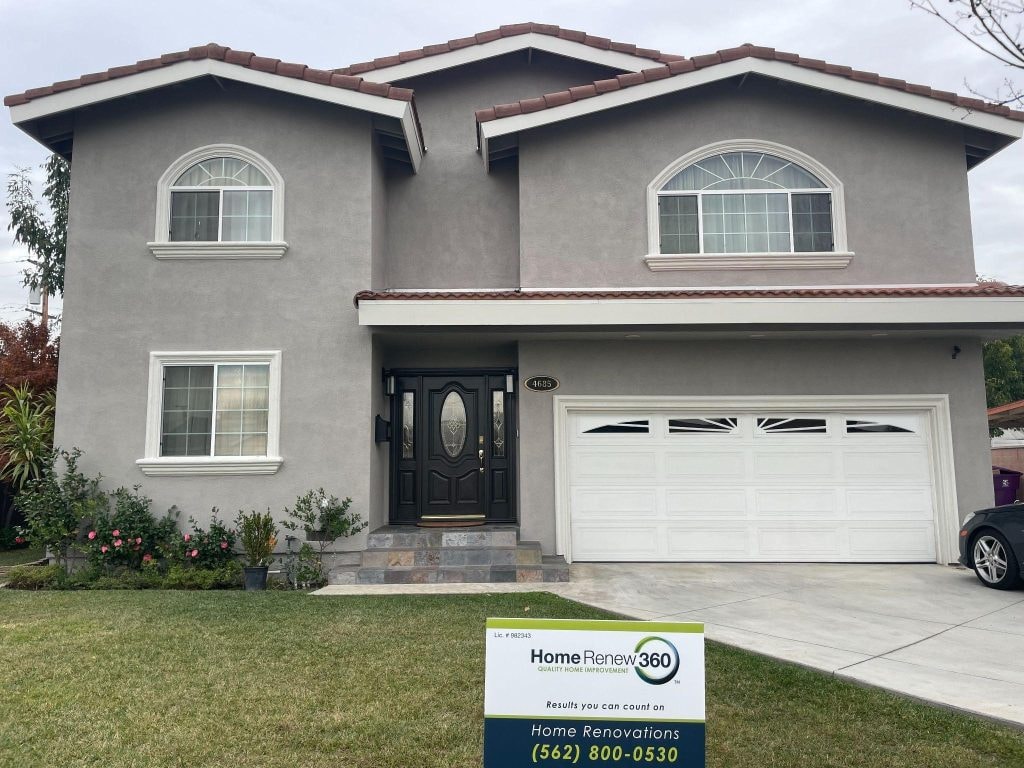
Routine exterior inspections allow homeowners to catch paint problems early and address them before they escalate. By checking for small cracks, discoloration, or moisture signs, you can schedule maintenance at the right time and avoid extensive repairs later.
Early intervention preserves the integrity of wood, stucco, and siding by ensuring the protective paint layer remains effective. This proactive approach not only maintains the home’s appearance but also protects it from long term structural damage that can result from neglect.
Exterior paint serves as a protective shield that keeps moisture, sunlight, and environmental damage away from your home’s structure. When warning signs such as peeling, fading, chalking, or cracks appear, they often indicate that this protective barrier is weakening. Addressing these issues at the right time helps prevent deeper structural damage, preserves curb appeal, and extends the life of exterior surfaces. Regular inspection and timely repainting allow homeowners to protect their investment and avoid costly repairs in the future.
Read More About the Top Benefits of Exterior Painting.
Most homes need repainting every several years, but climate, paint quality, and surface exposure can affect this timeline.
No. Peeling paint often signals moisture intrusion or loss of surface protection, which can lead to structural damage if ignored.
Minor touch ups may help temporarily, but widespread issues usually require professional preparation and repainting for long term protection.
Delaying repainting can allow moisture and environmental damage to affect wood, stucco, and siding, leading to expensive repairs.