hiring-roofing-contractor
Essential Questions to Ask Before Hiring a Roofing Contractor

Hiring a roofing contractor? Ask about licensing, experience, insurance, estimates, materials, timelines, permits & warranties before choosing the roofer.
Hiring a roofing contractor is easier when you know what to ask before work begins. Ask about experience, licensing, insurance, materials, estimates, timelines, permits, and warranties before signing a contract.
Your roof protects your home from weather, moisture, and long-term structural damage. A poor installation can create expensive problems that may not appear until months later. The right questions help you compare contractors based on qualifications, project planning, communication, and overall value.
Whether you need a roof repair, replacement, or a new roofing system, use this roofing contractor checklist to guide your conversations.
Experience can tell you how familiar a contractor is with different roofing systems and project conditions. You should also consider whether the contractor regularly handles residential roofing projects similar to yours.
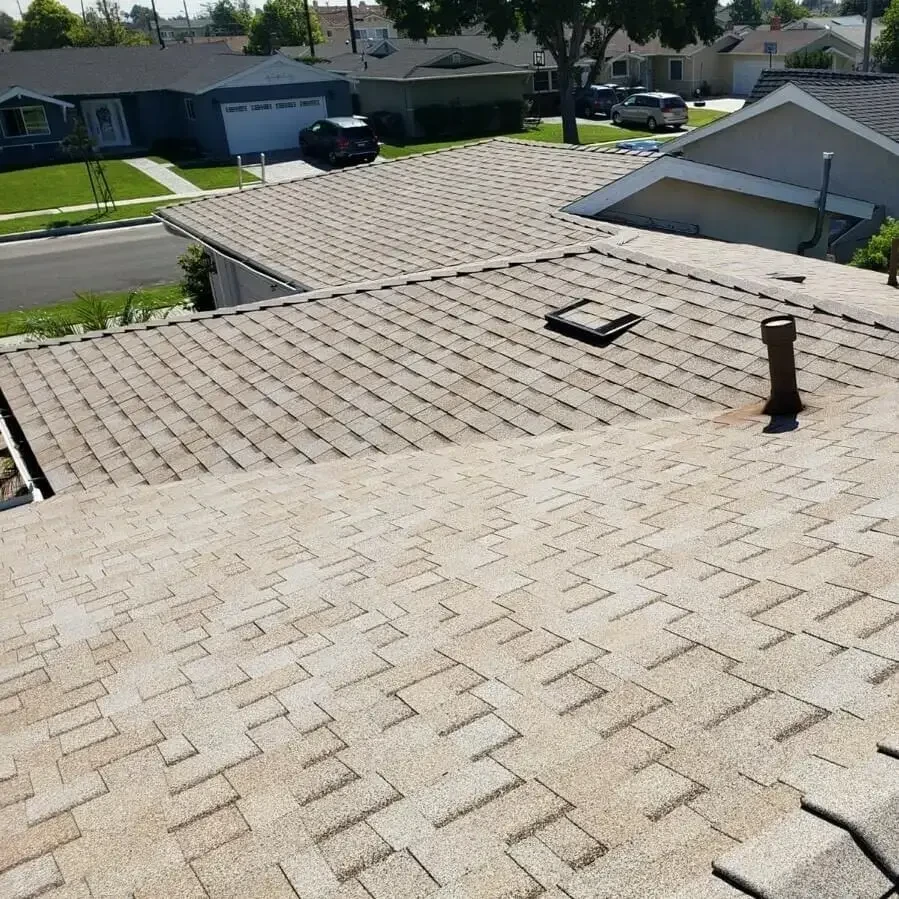
Ask how long the contractor has been providing roofing services and what types of projects they commonly complete. Experience with residential roofs matters because installation methods can vary by roof design, material, slope, and existing conditions.
Ask for examples of similar projects rather than relying only on general experience. A contractor who regularly works with your type of roof may be better prepared to identify installation challenges before construction starts.
You can also ask who will supervise the project and whether subcontractors will perform the work. Knowing who is responsible for installation helps you understand how the project will be managed.
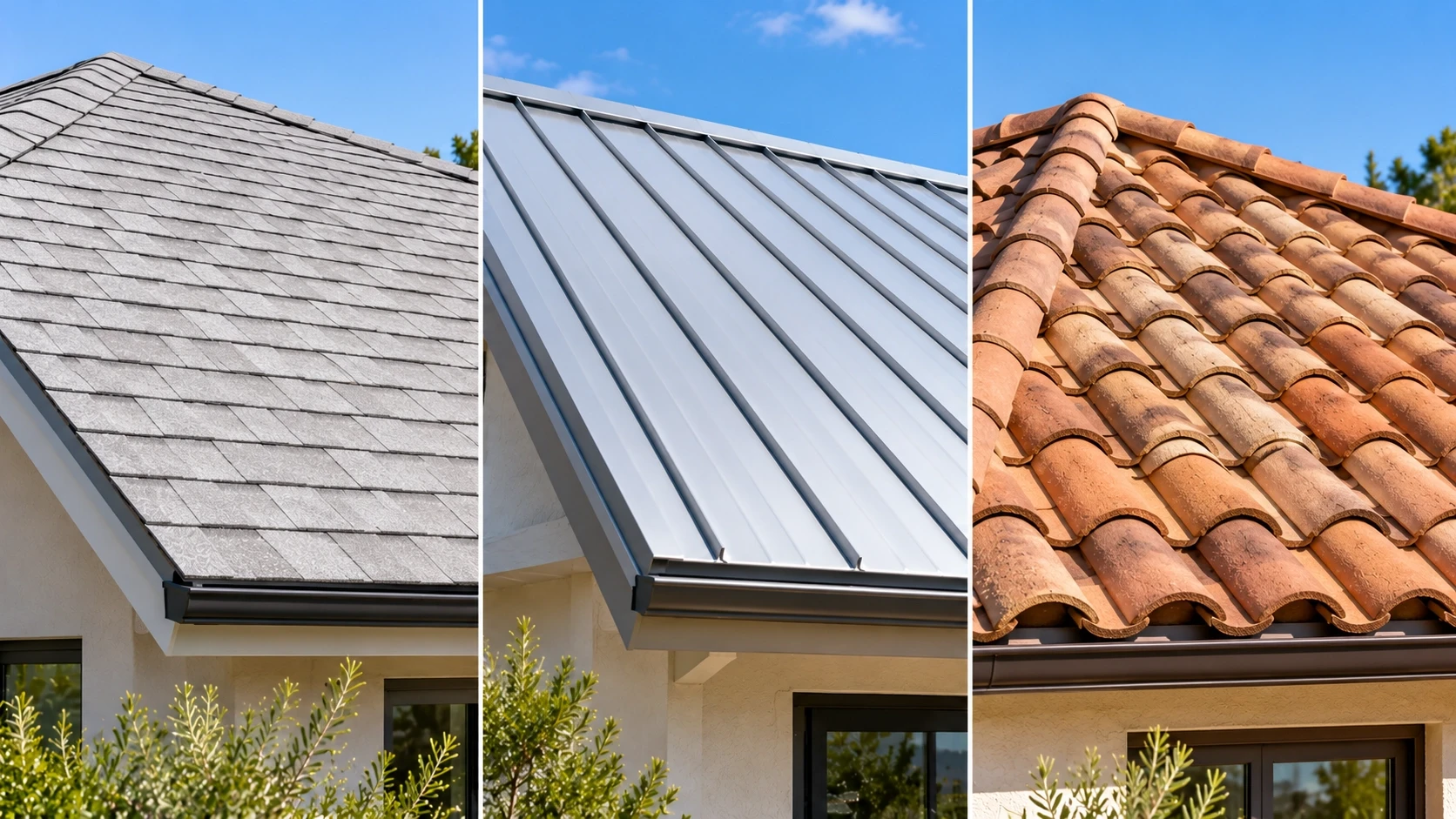
Different roofing materials require different installation methods and maintenance considerations. Ask whether the contractor has experience with your specific roofing system, such as asphalt shingles, tile, metal, flat roofing, or TPO.
The contractor should be able to explain why a particular material fits your roof and property. If you’re considering other home improvements at the same time, understanding how roofing fits into the broader project can also help you plan your home remodeling needs.
Before hiring a roofing contractor, verify that the company is properly licensed and insured. These details help establish whether the contractor is qualified to perform the work and has appropriate protections in place.
Ask for the contractor’s license information and verify that it applies to the work being proposed. You should also ask whether the company carries general liability insurance and workers’ compensation coverage where required.
Do not rely only on a verbal assurance. Request documentation and make sure the information is current before work begins.
A licensed roofing contractor should also be willing to explain who is responsible for the project and how the company handles its work. Homeowners should feel comfortable asking these questions before agreeing to a contract.
Ask for references from recent customers with projects similar to yours. Recent references can give you useful insight into communication, workmanship, scheduling, cleanup, and how the contractor handled unexpected issues.
You can also look at the company’s established business presence, industry credentials, and customer reviews. No single review should determine your decision, but consistent feedback across multiple sources can help you identify patterns.
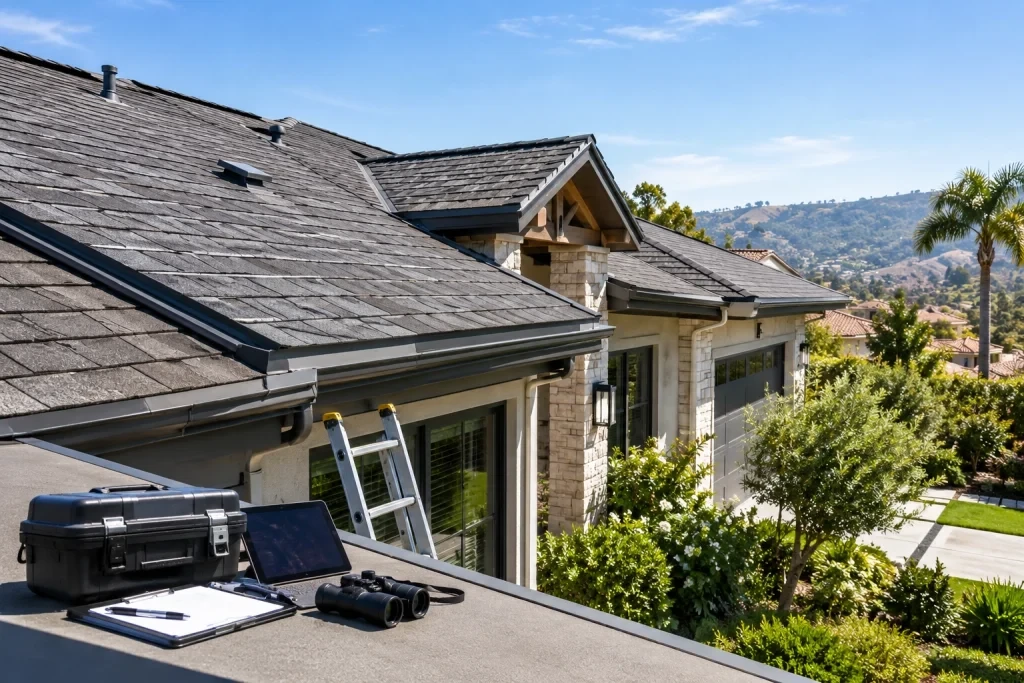
A detailed roofing estimate should make it easier to understand what you are paying for. Avoid comparing contractors based only on the final price because two estimates may cover very different materials, labor, preparation, or warranties.
Ask the contractor to explain exactly what the roofing project estimate covers. It should clearly identify the proposed work, materials, labor, preparation, and other applicable project costs.
Ask whether the estimate includes removal and disposal of existing roofing materials. You should also clarify whether items such as underlayment, flashing, ventilation, and cleanup are included when applicable to your project.
A written estimate gives you something concrete to compare. If an important part of the project is unclear, ask for clarification before signing.
Ask which roofing materials the contractor recommends and why. The right choice can depend on the roof design, existing structure, climate, appearance, maintenance needs, and project goals.
A professional contractor should explain the differences between available roofing materials without pressuring you into one option. Ask about expected maintenance, installation requirements, and applicable manufacturer warranties.
If the contractor recommends replacing an existing material with another roofing system, ask what changes may be required during installation.
Unexpected roof conditions can affect the final cost. Ask what issues could increase the price and how the contractor will communicate those changes.
For example, removing existing materials may reveal damaged decking or other conditions that were not visible during the initial inspection. Your contract should explain how additional work is approved before it is performed.
Clear communication about potential costs can prevent disagreements later.
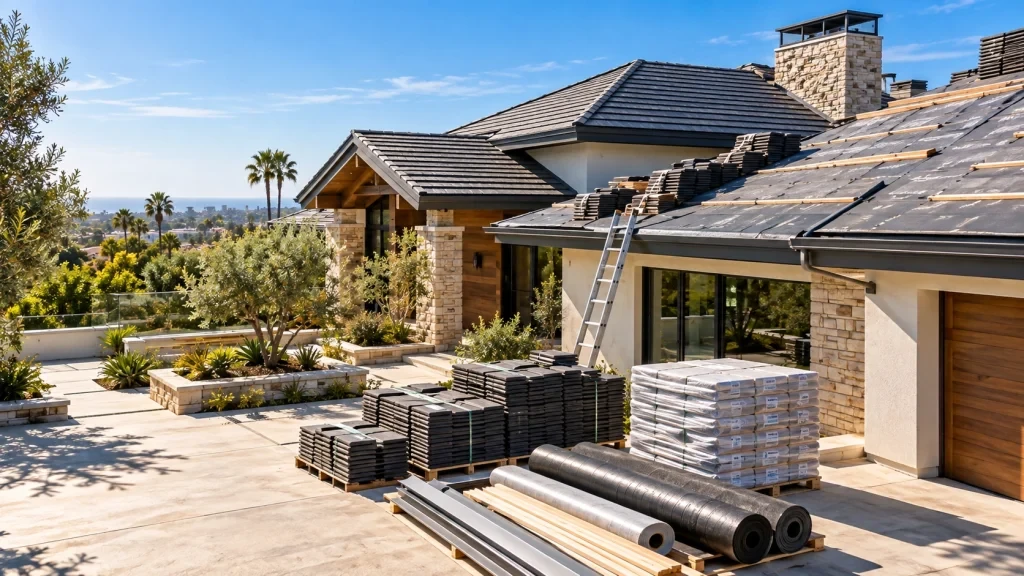
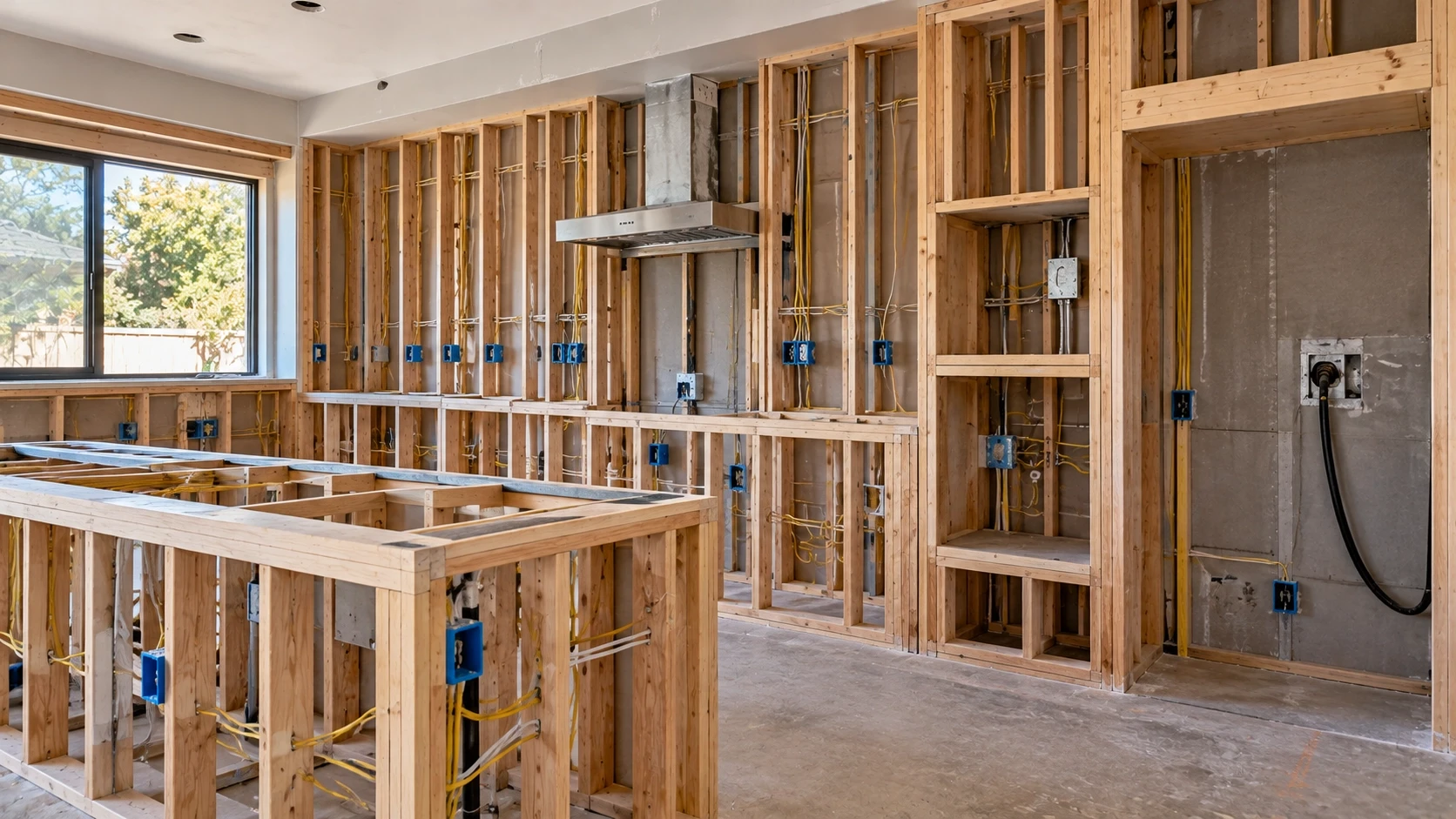
A roofing project involves more than installing new materials. Permits, preparation, material availability, weather, inspections, and site conditions can all affect the roofing installation timeline.
Ask whether the contractor will obtain required permits and coordinate applicable inspections. Permit requirements can vary by location and project scope, so your contractor should explain what applies to your property.
You should also ask whether permit costs are included in the estimate or listed separately. Having this information in writing makes the project budget easier to understand.
Ask for an estimated start date and expected completion timeframe. The contractor should explain factors that could affect the schedule, including weather, material availability, inspections, and unexpected site conditions.
If the roofing project is part of a larger renovation, coordinate the schedule carefully. Also ask how the contractor will communicate schedule changes. A clear point of contact can make the process much easier to manage.
Roofing warranties can cover different parts of a project, so do not assume all warranties provide the same protection. Ask the contractor to explain the coverage in plain language before signing.
Ask which warranties apply to the roofing materials and which cover workmanship. Manufacturer warranties and contractor workmanship warranties can have different terms, conditions, and limitations.
Request warranty information in writing. Ask what could void the coverage and whether there are maintenance requirements you need to follow.
You should also know who handles warranty claims if a problem develops. A clear process can save time if you need service after installation.
Ask how the contractor handles callbacks, repairs, and warranty concerns after the project is completed. Find out who you should contact and how the company evaluates reported problems.
A responsible contractor should be willing to discuss aftercare before you hire them. This is especially important for major roof replacements because problems may not become apparent immediately.
Keep your contract, receipts, warranty documents, and project records in one place. These documents can be useful if you need to discuss future service.
The best questions to ask a roofing contractor focus on qualifications, insurance, materials, pricing, permits, timelines, warranties, and aftercare. Clear answers help you compare contractors based on more than the lowest estimate.
Before hiring, make sure you understand the proposed roofing system, project scope, payment terms, potential additional costs, and warranty coverage. A written contract should reflect what you and the contractor agreed to.
Home Renew 360 is a licensed home remodeling contractor with a dedicated roofing division serving Southern California. If you are planning a roofing project, you can contact the team about your project and discuss your needs before moving forward.
Look for proper licensing, insurance, relevant experience, clear written estimates, references, and transparent communication. A reliable contractor should answer your questions directly and explain the project before asking you to sign a contract.
A roofing estimate should clearly describe the proposed work, materials, labor, preparation, disposal, and other applicable costs. Ask about permits, warranties, and potential additional charges if they are not clearly addressed.
Yes. Comparing multiple detailed estimates can help you understand the typical scope and identify major differences in materials or services. Compare what each contractor includes rather than choosing based only on price.
Ask about the total project cost, payment schedule, materials, installation timeline, permits, insurance, warranties, change orders, and post-installation service. Make sure the written contract matches the terms you discussed.