class-a-fire-rated-roofs
Class A Fire-Rated Roofs: What Every California Homeowner Must Know
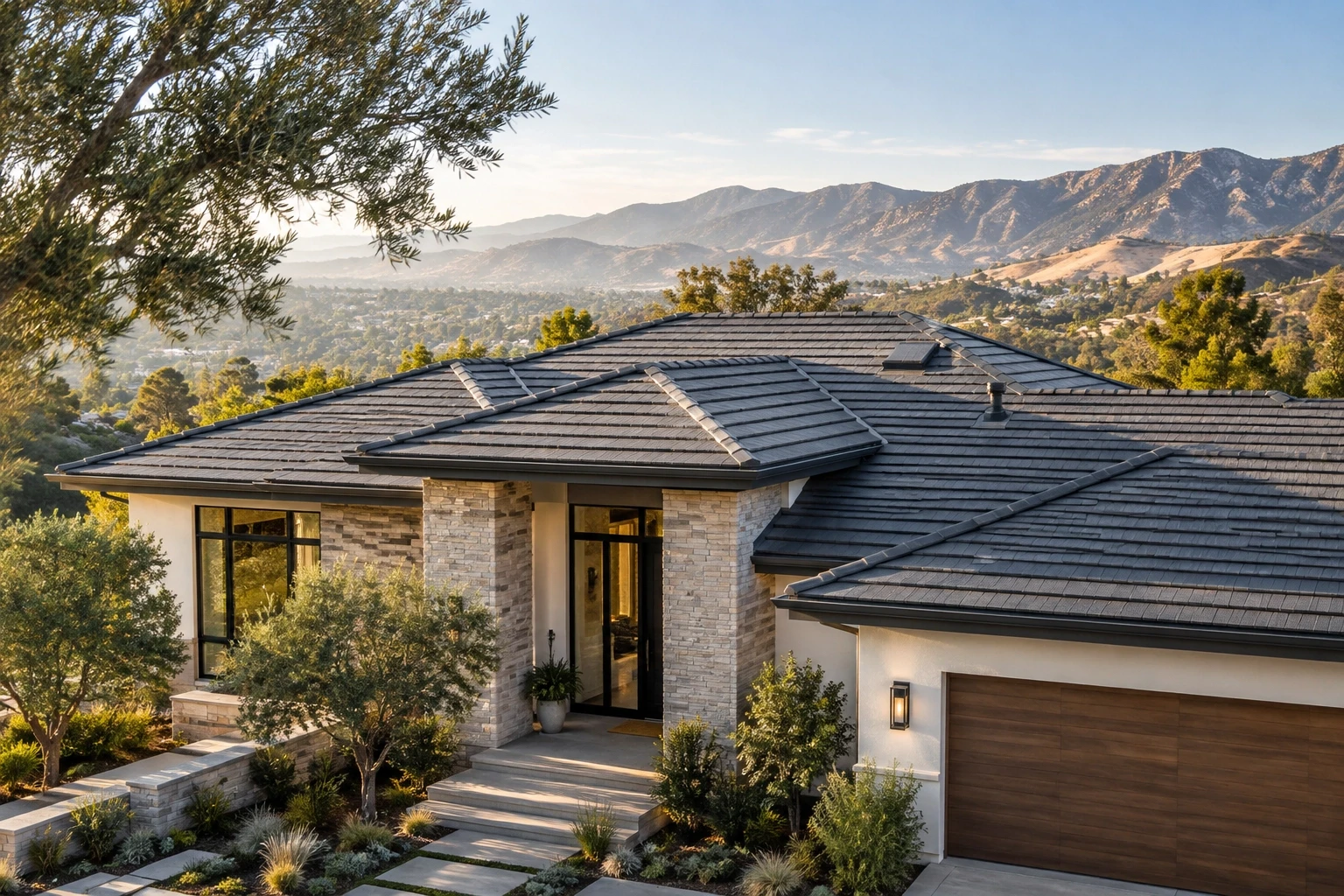
Class A fire-rated roofs provide the highest roof fire rating. Learn about roofing materials, California wildfire requirements, and how to choose one.
A Class A fire-rated roof provides the highest level of fire resistance among standard roof-covering classifications. For California homeowners, this matters because wildfires can expose homes to direct flames, radiant heat, and wind-blown embers that may travel ahead of the main fire.
Choosing the right roof involves more than appearance and price. The specific roofing product, complete assembly, installation method, roof design, and local requirements all matter. Understanding these factors can help California homeowners choose fire-resistant roofing that fits their property’s needs.
A Class A fire-rated roof is a roofing system that meets the highest level of fire resistance in the standard Class A, B, and C classification system. It is designed to provide strong resistance to fire exposure from above, including burning embers.
The roof fire rating applies to a tested roofing assembly rather than automatically applying to every product within a material category. The roof covering, underlayment, deck, and installation method can all affect the system’s performance.
Homeowners should therefore verify the fire classification of the specific roofing product and assembly being installed. A roof should not be considered Class A simply because it uses asphalt shingles, tile, or metal.
Wildfire exposure is an important consideration for many California homeowners. Wind-blown embers can land on roofing surfaces or collect in gutters and other areas where combustible debris is present.
A Class A roof provides the highest standard level of roof-covering fire resistance, making it an important consideration for homeowners in areas where wildfire exposure is a concern.
A roof’s condition matters as well. Damaged shingles, recurring leaks, deteriorated flashing, or other roof sign’s may indicate that replacement should be evaluated along with fire resistance.
The standard roof-covering classifications represent different levels of fire performance:
When wildfire protection is a priority, Class A is generally the classification homeowners should look for. However, the specific product and complete roofing assembly should always be verified.
A Class A roof is designed to provide strong resistance when exposed to fire from above, including burning embers. This can help reduce the likelihood that the roof itself becomes an ignition point during wildfire exposure.
Its role in wildfire protection includes:
A Class A rating does not eliminate wildfire risk. Gutters, vents, eaves, windows, exterior walls, decks, vegetation, and other parts of the property can also affect a home’s vulnerability.
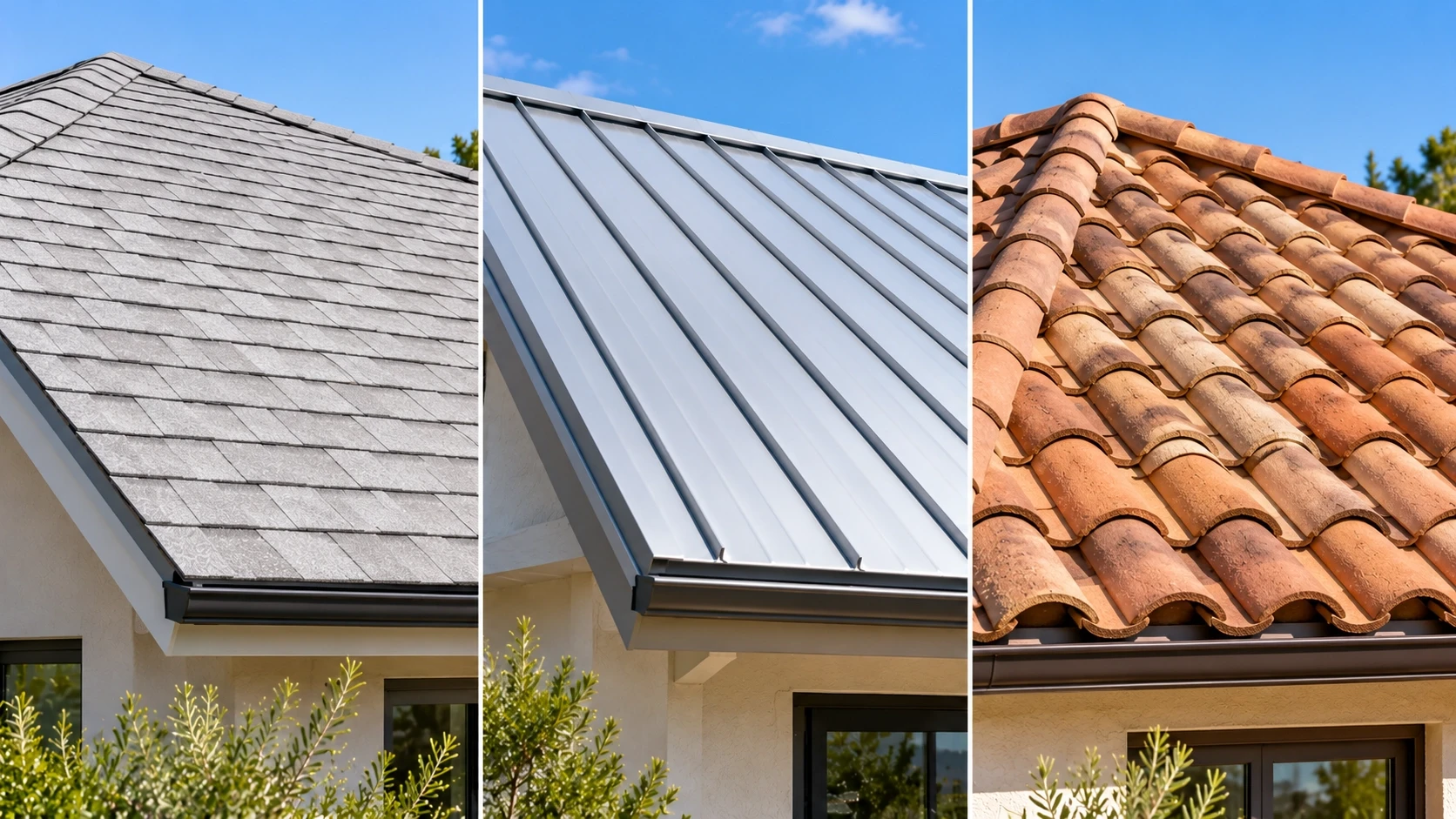
Several common roofing materials can be used in Class A-rated systems. The right choice depends on the home’s design, roof slope, structural requirements, appearance, maintenance expectations, and budget.
When comparing Class A roofing materials, homeowners should evaluate the actual product and roofing assembly rather than relying only on the general characteristics of a material.
Many asphalt shingle products are available with Class A fire ratings. They are a practical option for homeowners who want a combination of fire resistance, design flexibility, and straightforward installation.
Not every asphalt shingle is automatically Class A rated, so homeowners should verify the classification of the specific product being installed.
Clay and concrete tile can provide strong fire resistance and are widely used throughout Southern California. Their noncombustible characteristics make them an attractive option for homeowners seeking durable fire-resistant roof materials.
Tile can also complement many California architectural styles. Because tile can be heavier than some other roofing materials, the home’s existing roof structure should be evaluated before installation.
Metal roofing can provide excellent fire resistance and comes in a variety of profiles and finishes. It can also provide durability and a distinctive appearance.
However, “metal” alone does not establish a Class A roof rating. The specific roofing product and complete assembly should be verified to confirm its tested fire classification.
Flat and low-slope roofs require systems designed specifically for their slope and drainage characteristics. These may include specialized membrane systems and other products intended for low-slope applications.
The appropriate system should be selected based on roof design, drainage, existing construction, applicable fire requirements, and manufacturer specifications.
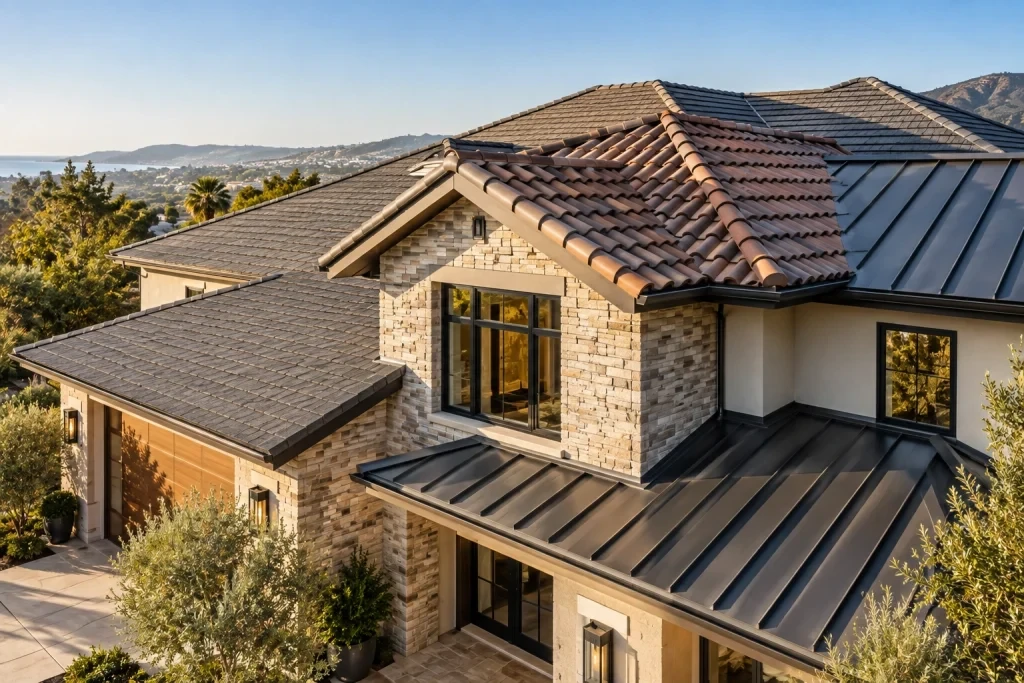
California has wildfire-resistant construction requirements that apply to certain properties and locations. Requirements can depend on factors such as the property’s location, Fire Hazard Severity Zone designation, construction circumstances, and local building regulations.
For qualifying areas, wildfire-related construction standards address roofing along with other exterior components that can be vulnerable to flames and embers. Local jurisdictions may also have additional requirements.
Homeowners should confirm the requirements that apply to their specific property before beginning a roofing project. A Class A system can be an important consideration, but the complete installation must also satisfy applicable regulations.
A roof’s fire performance depends on the complete roofing assembly and how it is installed. The visible roof covering is only one component of the system.
The roof covering provides the primary exposed layer, while the underlayment and other components can also contribute to the performance of the roofing assembly.
Homeowners should ask for the fire classification of the proposed roofing system. Product documentation can help confirm whether the specific assembly meets the required Class A rating.
Roof edges, eaves, penetrations, flashing, and transitions between building components can create vulnerable areas during wildfire exposure.
Proper installation helps ensure these areas are addressed as part of the overall roofing system. A highly fire-resistant roof can still have vulnerabilities if important details are damaged or improperly installed.
Regular maintenance remains important even with a Class A roof. Leaves, pine needles, branches, and other debris can accumulate on the roof and inside gutters, creating combustible material where embers can land.
Routine inspections can help identify damaged roofing, deteriorated flashing, leaks, and other issues. A roof inspection checklist can also help homeowners review common areas that may need attention.
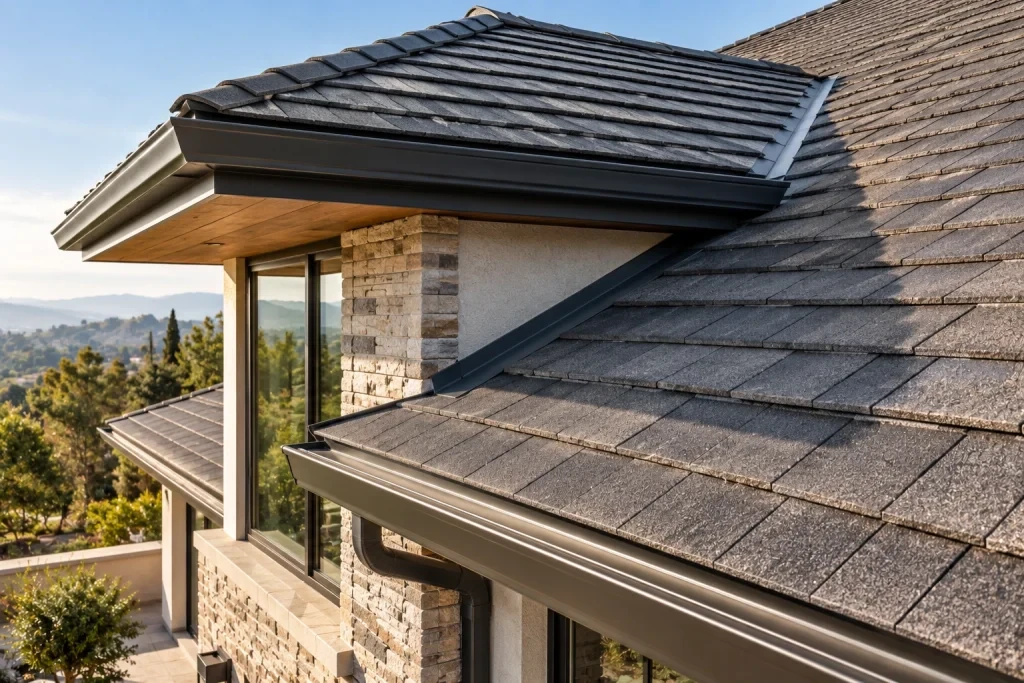
When comparing Class A roofing options, consider these factors:
Understanding the factors that influence roof replacement costs in California can help homeowners establish realistic expectations when comparing roofing systems.
A Class A roof can be an important part of a home’s wildfire protection strategy, but wildfire resistance extends beyond the roof covering itself.
Homeowners should also consider gutters, vents, eaves, windows, exterior walls, decks, and combustible materials around the property. Keeping the roof and gutters clear of debris is especially important where wildfire exposure is a concern.
Material selection can also depend on the home’s climate, design, maintenance expectations, and budget.
Class A fire-rated roofs provide the highest level of fire resistance among the standard Class A, B, and C roof-covering classifications. For California homeowners, they can be an important component of a strategy to reduce the risk of roof ignition from wildfire exposure and wind-blown embers.
The right roofing system depends on more than the material itself. Homeowners should consider the specific fire rating, complete assembly, roof design, installation requirements, local regulations, maintenance, appearance, and total project cost.
Whether replacing an aging roof or planning a new roofing project, selecting a properly rated system can be an important step toward improving a home’s fire resistance. A qualified roofing contractor can help evaluate the existing roof and identify an appropriate solution.
Class A provides the highest fire-resistance classification among Class A, B, and C roof coverings. It can help reduce roof ignition risk, but it does not make a home fireproof. Other exterior components also need to be considered.
No. Asphalt shingles come in different products and fire classifications. Homeowners should verify the rating of the specific product and complete roofing assembly before installation.
Many metal roofing systems can achieve a Class A rating, but the classification depends on the specific product and assembly. Homeowners should verify the manufacturer’s documentation rather than assuming every metal roof is Class A.
Yes, replacing an existing roof with a Class A-rated system may be possible. The appropriate approach depends on the roof’s condition, construction, slope, materials, and applicable local requirements. A professional evaluation can help determine the most suitable option.