new-roof-in-los-angeles
5 Signs You Need a New Roof in Los Angeles
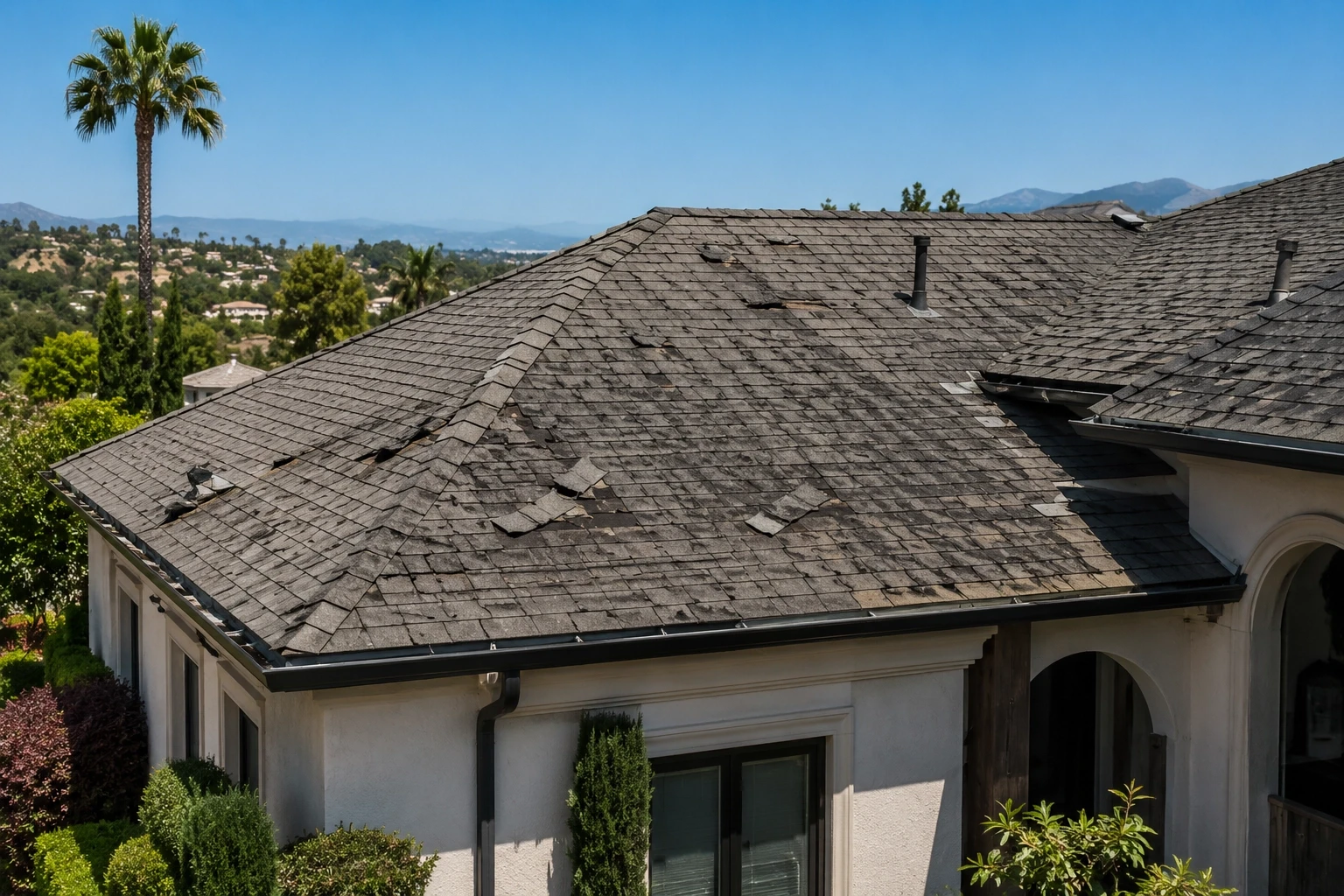
5 Signs You Need a New Roof in Los Angeles: Learn when roof replacement is the better option, what warning signs to watch for & how to protect your home.
If your roof is aging, leaking, or showing visible damage, it may be time to consider a replacement rather than another repair. Recognizing the warning signs early can help prevent more serious structural problems and costly damage to your home.
Your roof protects everything beneath it, yet it’s easy to overlook until something goes wrong. In Los Angeles, year-round sun, seasonal rain, and temperature changes gradually wear down roofing materials. Knowing the 5 Signs You Need a New Roof in Los Angeles can help you make informed decisions, protect your investment, and plan your next roofing project with confidence.
A damaged roof rarely improves on its own. Small issues like loose shingles or minor leaks can quickly develop into more expensive repairs if left untreated. Identifying roof replacement signs early allows homeowners to address problems before they affect insulation, ceilings, walls, or the home’s structural integrity.
Scheduling regular inspections is one of the easiest ways to monitor your roof’s condition. If you’re unsure what to look for during an inspection, this roof inspection checklist outlines many of the key areas professionals evaluate.
Being proactive can also help you plan your budget instead of dealing with an emergency roof replacement after severe damage occurs.
Every roof eventually reaches the end of its service life. While some problems can be repaired, multiple warning signs often indicate that replacing the roof is the more practical long-term solution.
Age is one of the strongest indicators that a roof may need replacement.
Many asphalt shingle roofs are designed to last around two decades under normal conditions, although actual lifespan depends on installation quality, maintenance, weather exposure, and roofing materials. Even if your roof appears to be in reasonable condition, older materials become more vulnerable to cracking, leaks, and wind damage over time.
If you aren’t sure how old your roof is or how climate affects its lifespan, understanding how long roofs typically last can help you decide whether it’s time to schedule a professional evaluation.
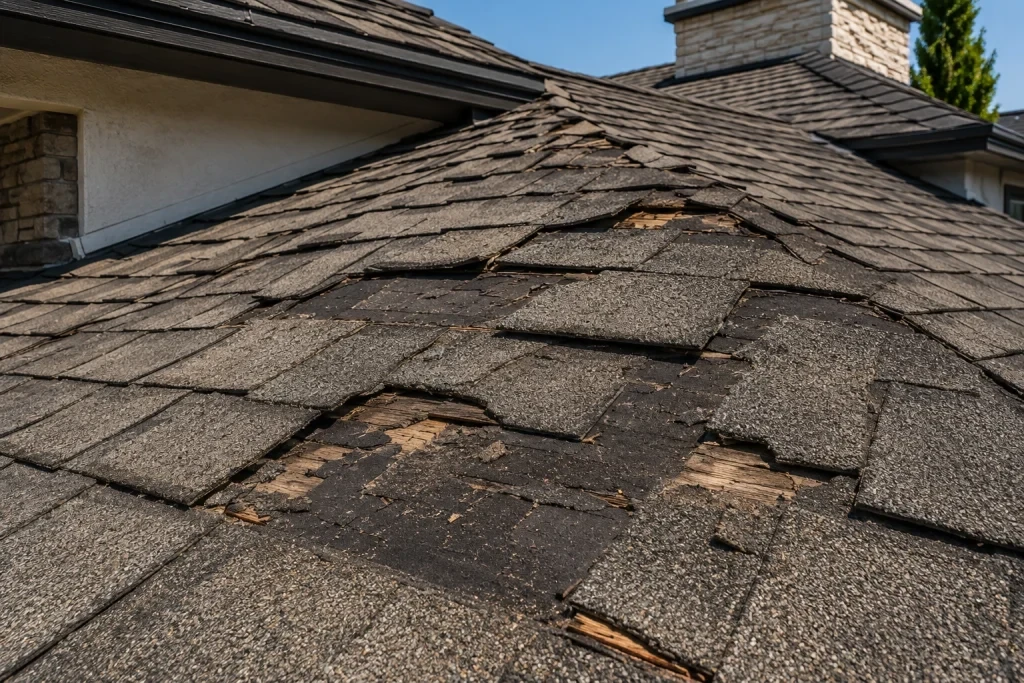
Damaged shingles are among the most common roof damage signs homeowners notice.
As shingles age, they begin losing flexibility and protective granules. This often leads to:
While replacing a few damaged shingles may solve isolated problems, widespread deterioration usually indicates the roofing system is nearing the end of its useful life.
Although Southern California experiences fewer storms than many parts of the country, constant sun exposure can be just as damaging.
Intense UV rays gradually dry out roofing materials, causing shingles to become brittle over time. Seasonal rain, changing temperatures, and occasional strong winds can accelerate wear, especially on older roofs that have already begun to deteriorate.
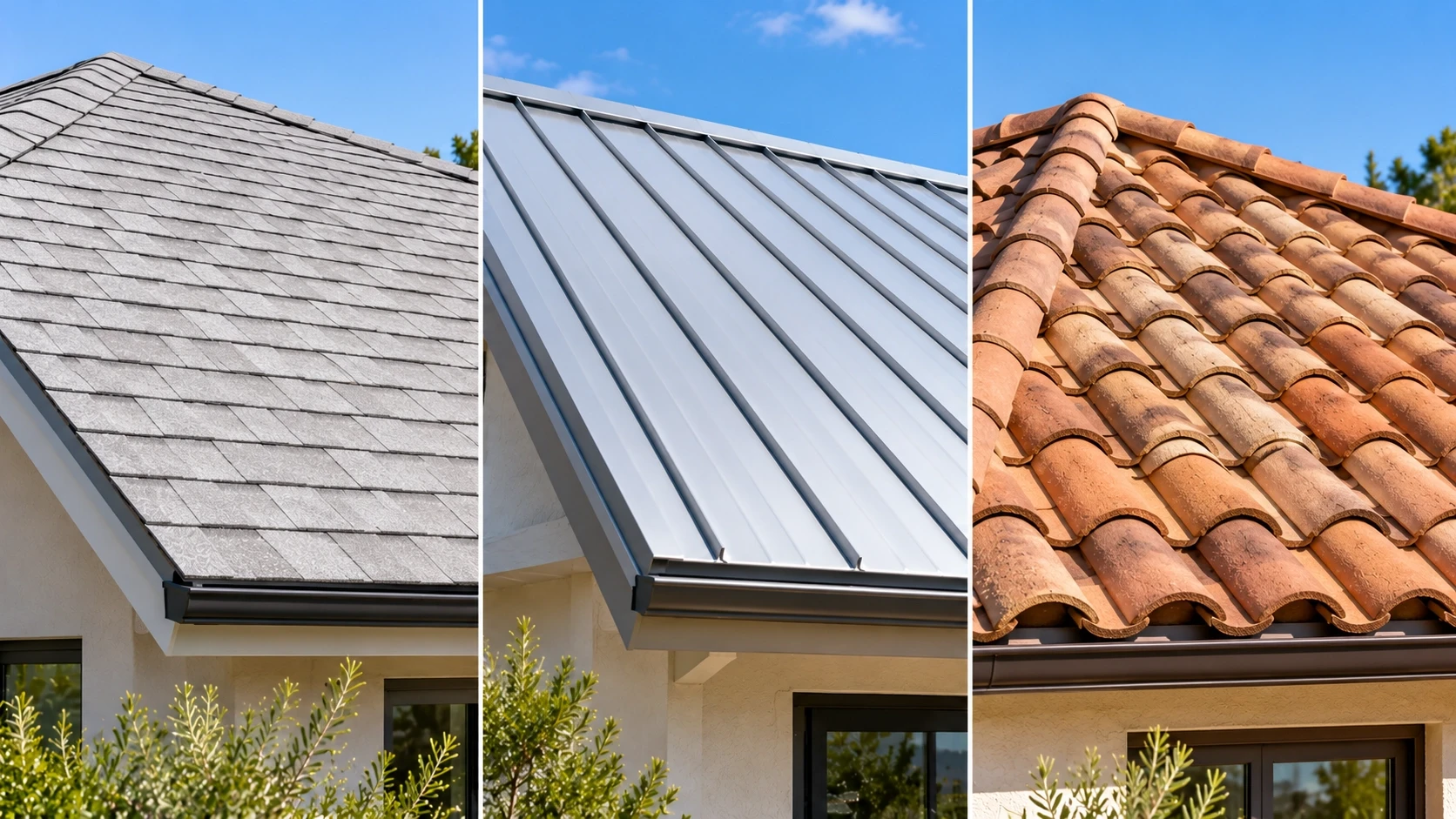
Choosing durable materials designed for the local climate can significantly improve long-term performance. If you’re comparing options, these best roofing materials for Southern California provide a helpful overview of the most popular choices.
Water stains inside your home should never be ignored.
Discoloration on ceilings or walls often indicates that moisture has already made its way through the roofing system. By the time a leak becomes visible indoors, water may have already affected insulation, drywall, or wooden framing.
Other common roof leak warning signs include:
Prompt action can help prevent further damage and reduce repair costs.
Not every roof leak is immediately obvious. Water can travel along beams before appearing inside the home.
Some of the most common areas to inspect include:
Regular inspections make it easier to identify hidden problems before they become major structural repairs.
A sagging roof is one of the clearest signs that immediate professional attention is needed.
Unlike cosmetic issues, sagging often points to problems within the roof decking or supporting structure. Moisture damage, long-term deterioration, or excessive weight can weaken structural components over time.
Common warning signs include:
Because structural damage can worsen quickly, homeowners should avoid delaying an inspection if they notice these symptoms.
Many homeowners don’t immediately associate rising utility bills with roofing problems, but an aging roof can significantly affect energy efficiency.
As roofing materials deteriorate, gaps may develop that allow conditioned air to escape while permitting heat to enter the attic. Damaged ventilation systems and worn insulation can further reduce your home’s ability to maintain comfortable indoor temperatures.
If your heating or cooling system seems to be working harder than usual without another obvious explanation, your roof may be contributing to the problem.
An older roofing system often absorbs more heat than modern materials, especially during Southern California’s warmer months.
Replacing an aging roof gives homeowners the opportunity to install more energy-efficient materials that improve insulation and reduce heat transfer. Many also choose to combine a roof replacement with solar upgrades to maximize long-term savings.
If you’re already planning a new roof, it’s worth considering how solar roofing can benefit California homeowners by improving energy efficiency and preparing your home for future energy needs.
Not every roofing problem requires a full replacement. Minor issues, such as a few damaged shingles or small flashing repairs, can often be fixed if the rest of the roof is in good condition.
However, replacement is usually the better long-term solution when:
A professional inspection is the best way to determine whether repairs are still practical or if investing in a new roof will provide greater value and peace of mind.
Budget is another important consideration. Understanding the factors that influence roof replacement costs in California can help you plan ahead and avoid unexpected expenses when it’s time for a new roof.
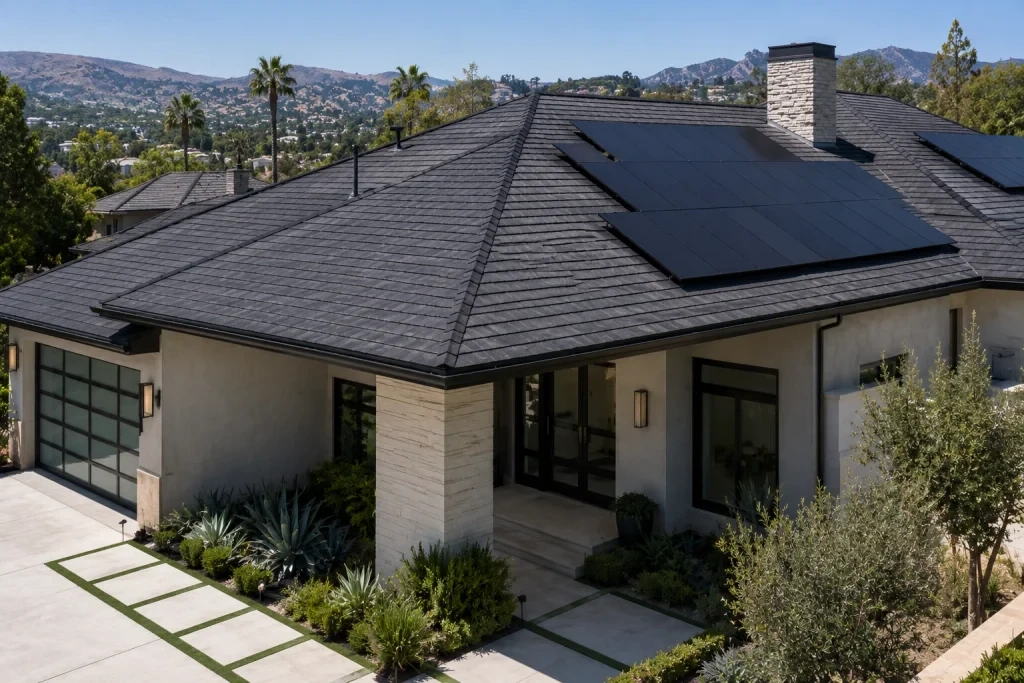
Replacing a roof is a significant investment, so it’s worth evaluating several factors before choosing materials or scheduling construction.
Homeowners replacing older roofs may also qualify for programs that encourage energy-efficient upgrades. Reviewing the California Cool Roof Rebate can help you understand whether your project may be eligible for available incentives.
If your roof has widespread damage, recurring leaks, significant structural issues, or is nearing the end of its expected lifespan, replacement is often the more cost-effective solution. A professional inspection can determine which option is appropriate for your home.
The timeline depends on the size of the home, roofing materials, weather conditions, and the complexity of the project. Many residential roof replacements can be completed within several days, while larger or more complex projects may require additional time.
There isn't a single best material for every home. Asphalt shingles, concrete tile, metal roofing, and other systems each offer unique advantages. Your home's architecture, budget, maintenance preferences, and energy-efficiency goals should all influence your decision. There isn’t a single best material for every home. Asphalt shingles, concrete tile, metal roofing, and other systems each offer unique advantages. Your home’s architecture, budget, maintenance preferences, and energy-efficiency goals should all influence your decision.
Yes. In fact, many homeowners choose to install solar panels during a roof replacement because it provides a solid foundation for the new system and avoids the expense of removing and reinstalling panels in the future.