roof-replacement
10 Warning Signs You Need a Roof Replacement
We’ll highlight the 10 warning signs you need a roof replacement and explain why acting early can save California homeowners thousands in the long run.
Your roof does more than protect you from the weather, it safeguards your entire home’s structure. Over time, however, even the strongest roof starts showing signs of wear. Ignoring these warning signs can lead to expensive repairs, energy loss, and safety hazards. In this guide, we’ll highlight the 10 warning signs you need a roof replacement and explain why acting early can save California homeowners thousands in the long run.
When your roof begins to fail, the damage often goes deeper than visible leaks or missing shingles. Understanding the full impact helps you make informed decisions before small problems turn into major renovations.
A deteriorating roof allows water to penetrate underlayment and insulation, leading to mold, rot, and weakened framing. Over time, this moisture seeps into ceilings and walls, creating stains, peeling paint, and in severe cases, structural compromise. If you notice damp spots or sagging areas, it’s time to consider a full inspection Roofing Services team that can assess the extent of damage and recommend the safest, most cost-effective solution.
A worn-out roof can drastically reduce your property’s market appeal and value. Buyers are hesitant to invest in homes that require immediate roofing work, and insurers may deny coverage or raise premiums if your roof is beyond its expected lifespan. A timely replacement not only restores your home’s protection but also strengthens your resale position. According to the National Association of Realtors, roof replacements are among the top home improvements for ROI, averaging nearly 60–70% return in resale value.
Minor leaks and isolated shingle damage can often be repaired, but when water starts spreading through the attic, fascia, or foundation, urgency becomes critical. Warning signs like interior water spots, musty odors, or rising energy bills indicate your roof’s integrity has been compromised. At that point, a full roof replacement is usually the most reliable and long-term solution. You can also explore flexible options through our Financing plans designed to make roof upgrades affordable for homeowners across Southern California.
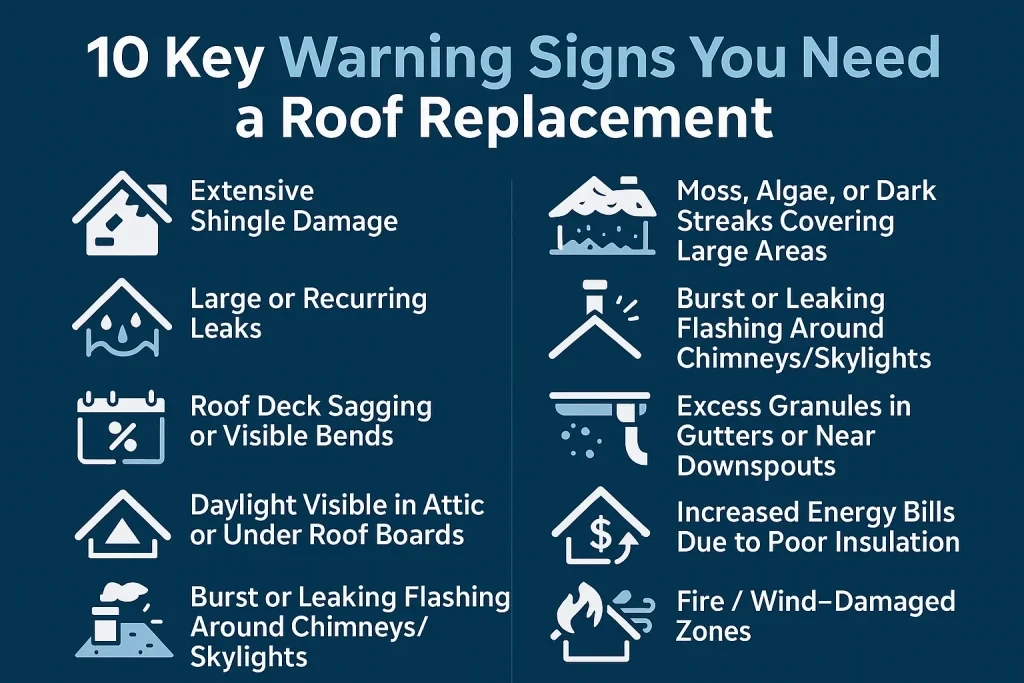
A roof rarely fails overnight, it usually gives clear signals long before serious problems appear. Identifying these early warning signs helps homeowners in Southern California avoid costly structural damage and unexpected leaks. Here are the top 10 indicators that it’s time to consider a full roof replacement.
If shingles are curling, cracking, or completely missing, your roof’s protective layer is compromised. This allows moisture to seep beneath the surface, leading to rot and leaks. Once widespread damage appears, patch repairs won’t hold, a full replacement is the only lasting fix.
A single small leak can often be sealed, but recurring leaks signal deeper problems like deteriorated flashing or underlayment. Over time, these issues weaken your insulation and interior drywall. Our Roofing Services team inspects problem areas to determine if the leak is isolated or systemic.
Sagging or dipping in the roofline often means structural damage to the decking or rafters. This is a red flag requiring immediate attention, moisture may already be trapped underneath, compromising the home’s framework.
Most asphalt shingle roofs last 20–25 years, while tile and metal systems last longer. Once your roof surpasses its manufacturer’s lifespan, even if it looks fine, it becomes more prone to leaks and weather wear. Regular inspections help determine if a Roof Replacement is more cost-efficient than ongoing repairs.
If you see sunlight filtering through attic boards, it’s a clear sign of missing shingles or gaps in decking. That same opening allows rain, pests, and wind to enter. Inspect your attic during daylight, any visible beam means your roof’s waterproof seal has failed.
While some surface growth may be cosmetic, thick moss and algae indicate trapped moisture and poor ventilation. Over time, this weakens the roofing material and accelerates decay. Professional cleaning or full replacement may be needed depending on how deep the growth has spread.
Flashing protects the joints and seams where roofs meet vertical structures. If the metal is rusted, cracked, or detached, leaks can develop quickly. Replacing flashing alone might work for minor damage, but if multiple sections are compromised, it’s time to replace the roof system.
Granules protect shingles from UV damage. When you notice large amounts in gutters, it’s a sign of aging materials losing effectiveness. Without granules, shingles dry out and crack faster under California’s intense sun.
A failing roof often allows heat to escape during winter and traps it during summer, forcing your HVAC system to work harder. Replacing the roof with modern, energy-efficient materials can improve comfort and reduce monthly energy costs.
In wildfire-prone regions like Southern California, roof materials must meet Title 24 and fire safety standards. If your roof has sustained fire, storm, or wind damage, replacing it with compliant, impact-resistant materials ensures long-term safety and insurance eligibility.
Deciding whether to repair or replace your roof depends on its condition, age, and long-term cost efficiency. Here’s how to make an informed choice.
If damage is limited to a few shingles, flashing, or isolated leaks, repairs can effectively extend your roof’s life. However, homeowners should always schedule a professional inspection first, even small issues can hide deeper problems beneath the surface.
When over 30% of your roof shows visible wear or has multiple leak points, repairs become a temporary patch rather than a solution. In such cases, investing in a full replacement saves future repair costs and prevents recurring water damage.
While repairs are less expensive upfront, they can add up quickly if problems persist. A full replacement offers new warranties, enhanced energy efficiency, and compliance with California’s latest building codes. Through Financing Options, homeowners can spread the cost of a new roof over manageable payments while protecting their property’s long-term value.
A roof replacement is a major investment but with the right materials, contractor, and process, it can protect your home for decades. Here’s what Southern California homeowners should expect from a professional roof replacement project.
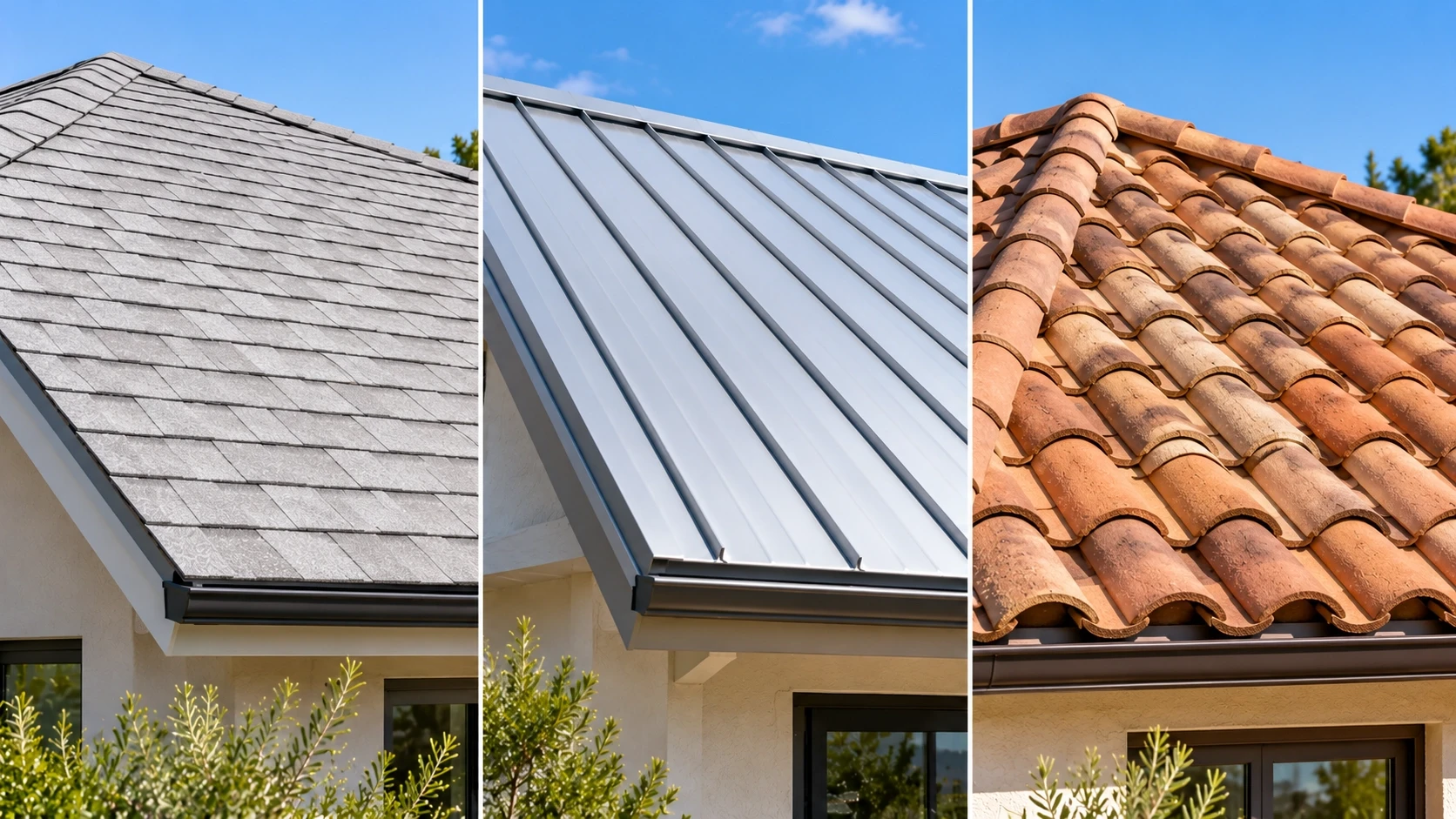
The first step is selecting the right roofing material based on your home’s architecture, local climate, and budget. Popular choices in Southern California include asphalt shingles, clay tiles, metal, and cool roofing systems designed for high UV exposure.
Equally important is hiring a licensed and insured roofing contractor experienced in local building codes and energy standards. At Home Renew 360, our certified team guides homeowners through material options and ensures your new roof meets Title 24 efficiency requirements.
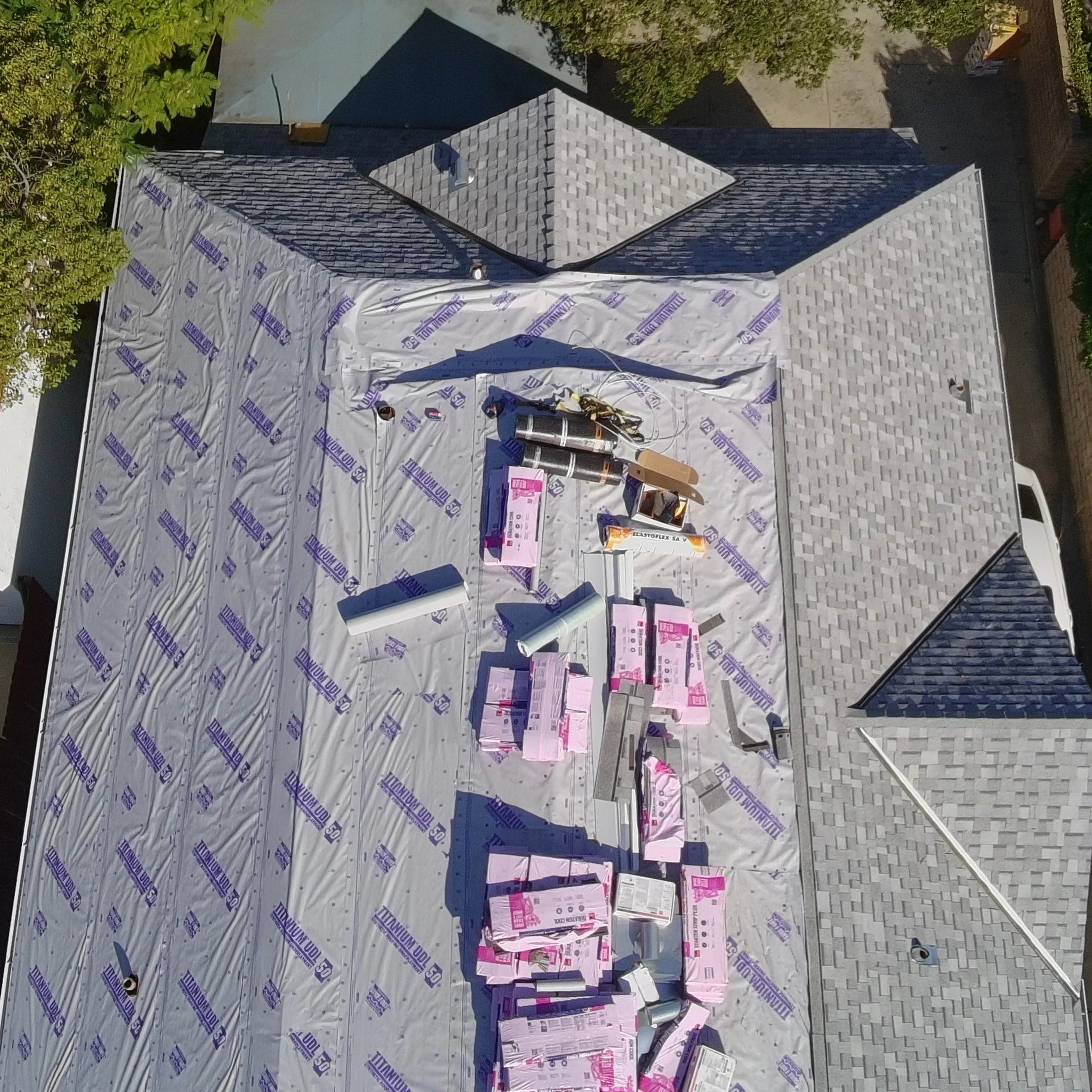
Most full roof replacements take between 3–7 days, depending on size, materials, and weather conditions. Before starting, a detailed scope of work should include material removal, underlayment replacement, flashing upgrades, and debris cleanup.
A quality contractor provides manufacturer and workmanship warranties, covering both product defects and installation issues. This ensures long-term peace of mind and protection against future damage.
Before signing a contract, homeowners should confirm:
After installation, schedule annual roof inspections and keep gutters clear to maintain drainage and extend your new roof’s lifespan. Proactive maintenance prevents small issues from turning into costly repairs.
Your roof is one of your home’s most valuable assets and the first line of defense against California’s sun, wind, and seasonal rains. If you’ve noticed missing shingles, sagging, leaks, or rising energy bills, these are clear warning signs your roof may be nearing the end of its lifespan.
Don’t wait for small issues to become emergencies. Schedule a comprehensive roof inspection with the experts.
👉 Contact us today to request your free roof evaluation and protect your home with confidence.
The average asphalt shingle roof lasts about 20–25 years, while tile and metal roofs can last 40–70 years with proper maintenance. Climate, ventilation, and installation quality all affect longevity.
In Southern California, full roof replacement typically ranges from $12,000 to $25,000, depending on size, materials, and design complexity. Getting a professional inspection helps you estimate costs accurately for your specific home.
Partial replacement may be possible if damage is localized. However, matching old and new materials can be difficult, and warranties often apply only to full replacements. A complete upgrade ensures uniform protection and longer lifespan.
Look for a licensed, insured, and locally reviewed roofing company with proven experience in California building codes. Ask about warranties, previous projects, and certifications to ensure you’re hiring a reputable professional.