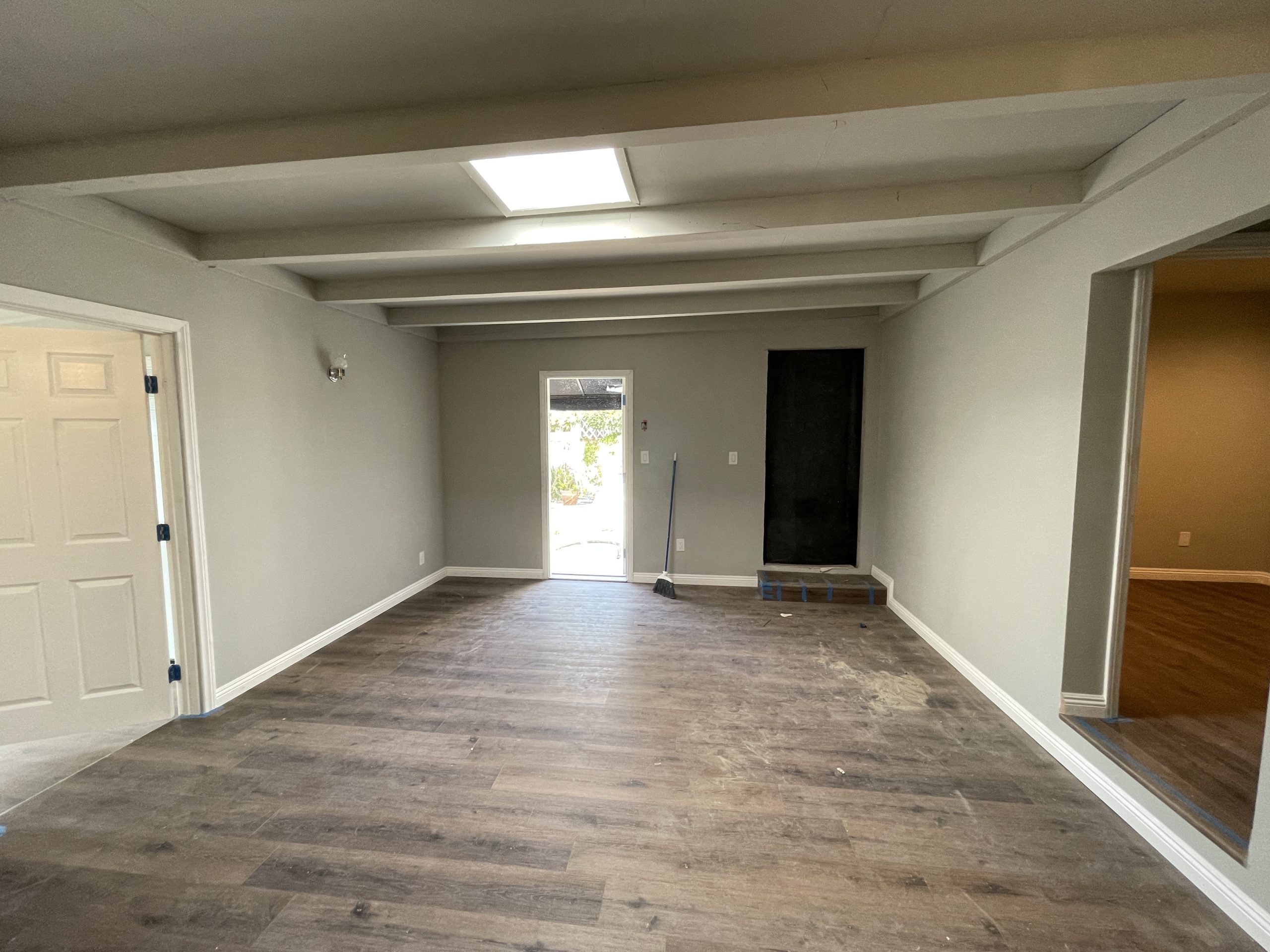
Adding a room to your home can feel like the perfect solution when you need more space, but the first question most homeowners ask is simple: how much is this going to cost me? In Los Angeles, prices can vary a lot, and without clear guidance, it’s easy to feel overwhelmed. Let’s break it down in a way that actually helps you understand what you might spend.
How Much Does It Cost to Add a Room in Los Angeles?
Most room additions in Los Angeles cost between $80,000 and $200,000, depending on size, design, and complexity of the project.
In Los Angeles, most room additions cost between $80,000 and $200,000, depending on size, design, and complexity. Smaller, simple additions may fall on the lower end, while larger or more customized projects can go well beyond that range.
A good way to think about it:
- Basic addition: Lower cost, simple layout, fewer upgrades
- Mid-range addition: Standard finishes and moderate size
- High-end addition: Larger space with custom features and upgrades
Instead of chasing the lowest number, it’s better to plan for a realistic budget that covers everything from permits to finishing.
Cost Per Square Foot in Los Angeles
In Los Angeles, room addition costs usually range between $250 and $500 per square foot. The final price depends on how simple or complex your project is, including materials, design, and whether plumbing or structural changes are needed.
A smaller project with basic finishes will cost less per square foot, while high-end designs or additions with bathrooms and kitchens can quickly push costs higher.
Real-Life Cost Examples You Can Relate To
Understanding averages is helpful, but seeing real examples makes it easier to picture your own project. Here are some common scenarios homeowners in Los Angeles consider.
Small Bedroom Addition
A small bedroom addition (around 120–200 sq ft) is one of the most affordable options.
- Estimated cost: $40,000 – $80,000
- Best for: Extra bedroom, home office, or guest room
- Why it’s cheaper: No plumbing, simple structure, fewer upgrades
This is a great choice if you need more space without significantly increasing your budget.
Master Bedroom with Bathroom
Adding a master suite with a bathroom increases both comfort and cost.
- Estimated cost: $100,000 – $180,000
- Best for: Expanding living space with added privacy
- Why it costs more: Plumbing, fixtures, and higher-end finishes
This type of addition offers strong value but requires a higher upfront investment.
Living Room or Family Room Addition
A living room or family room addition is ideal for creating open, shared space.
- Estimated cost: $80,000 – $150,000
- Best for: Entertaining, relaxing, or expanding your main living area
- Why costs vary: Size, layout, and structural changes
Larger spaces and open designs can increase costs, especially if major structural work is involved.
Where Your Money Goes (Full Cost Breakdown)
Room addition costs are not just one big number. Your budget is spread across several key areas, and understanding this helps you plan better and avoid surprises.
| Cost Category | Typical Range |
|---|---|
| Design & Planning | $5,000 – $15,000 |
| Permits & Fees | $3,000 – $10,000 |
| Construction & Labor | $50,000 – $150,000+ |
| Utilities & Finishing | $10,000 – $40,000+ |
Design and Planning Costs
This is where your project starts. You’ll pay for architectural drawings, engineering plans, and sometimes 3D designs.
The more detailed or custom your design, the higher this cost. Making changes later can also increase your budget, so it’s best to finalize your plan early.
Permit and Approval Fees
Before construction begins, you need approval from the city. These fees cover plan checks, building permits, and inspections.
Costs vary based on project size and complexity. Larger additions or structural changes usually mean higher permit fees.
Construction and Labor Costs
This is the biggest part of your budget. It includes materials, labor, foundation work, framing, roofing, and everything needed to build the space.
Labor costs in Los Angeles are higher than average, which is why this category takes up most of your total cost.
Utilities and Finishing Costs
These costs cover electrical work, plumbing, HVAC, insulation, flooring, paint, and fixtures.
If your addition includes a bathroom or kitchen, expect this category to increase significantly due to plumbing and appliance installation.
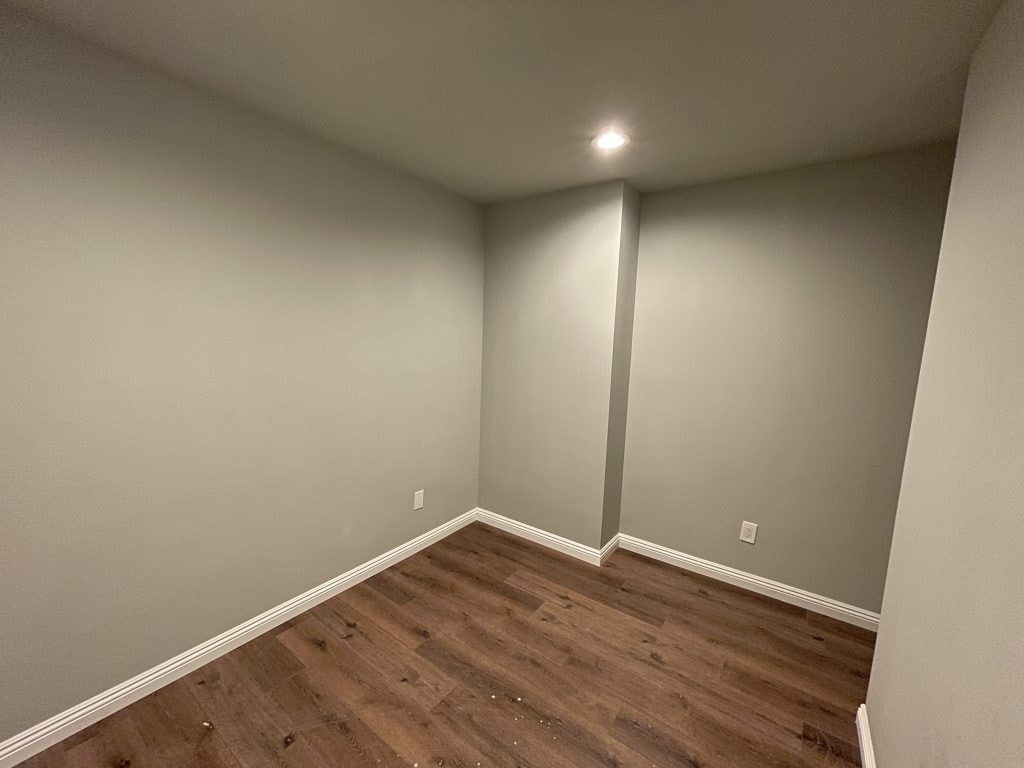
Cost by Type of Room Addition
Not all room additions cost the same. The type of room you choose has a major impact on your total budget. Here’s a simple comparison to help you decide.
| Room Type | Estimated Cost Range | Complexity Level |
|---|---|---|
| Bedroom Addition | $40,000 – $80,000 | Low |
| Bathroom Addition | $70,000 – $140,000 | Medium |
| Kitchen Expansion | $100,000 – $200,000+ | High |
| Second Story Addition | $150,000 – $300,000+ | Very High |
Bedroom Addition (Most Affordable)
A bedroom addition is usually the most budget-friendly option. It requires less structural work and no plumbing, which keeps costs lower.
It’s ideal if you need extra space without adding too much complexity.
Bathroom Addition
Bathrooms increase both comfort and cost. Plumbing, waterproofing, and fixtures make this type of addition more expensive than a basic room.
However, it can significantly improve your home’s functionality and value.
Kitchen Expansion
Kitchen expansions are more complex due to plumbing, electrical work, and cabinetry. Costs rise quickly depending on materials and appliances.
This type of project is ideal for improving daily living but requires careful budgeting.
Second Story Addition (Most Expensive)
Adding a second story is one of the most expensive options. It often involves structural reinforcement, major design changes, and longer construction time.
While costly, it allows you to add significant space without expanding your home’s footprint.
Ways to Reduce Your Room Addition Cost
Room additions can be expensive, but smart planning can help you stay within budget.
- Keep the design simple Complex layouts increase both design and construction costs.
- Avoid major plumbing changes Rooms without plumbing, like bedrooms, are more affordable to build.
- Plan everything in advance Last-minute changes can lead to delays and extra expenses.
- Use standard materials Custom or luxury finishes can quickly increase your budget.
- Work with experienced professionals The right team can help you avoid costly mistakes and keep your project on track.
How Long Does a Room Addition Take in Los Angeles?
Most projects take 3 to 6 months, including planning, permits, and construction. Larger or more complex additions may take longer.
A typical room addition in Los Angeles takes 3 to 6 months, but the timeline can vary depending on the size and complexity of your project.
Here’s a simple breakdown:
- Planning and design: 2–4 weeks
- Permits and approvals: 4–10 weeks
- Construction: 8–16 weeks
Smaller, straightforward additions may finish faster, while larger projects like second-story additions can take longer. Delays usually happen due to permit approvals, design changes, or material availability, so planning ahead makes a big difference.
Step-by-Step: How to Start Your Room Addition Project
Starting a room addition can feel overwhelming, but breaking it into clear steps makes the process much easier to manage.
Set Your Budget
Begin with a realistic budget based on your needs and the type of room you want to add. Include not just construction, but also permits, design, and finishing costs. Having a clear budget helps you make better decisions from the start.
Plan Your Design
Work with a designer or architect to create a layout that fits your space and lifestyle. Keep the design practical and aligned with your budget to avoid costly changes later.
Get Permits
Submit your plans to the city for approval. This step ensures your addition meets all local building codes and safety requirements. Be prepared to make adjustments if the city requests changes.
Start Construction
Once approved, construction begins. This includes foundation work, framing, roofing, and interior finishing. Staying involved and communicating with your contractor helps keep everything on track.
Final Inspection
After construction is complete, the city will conduct final inspections to ensure everything is built correctly. Once approved, your new space is ready to use.
Final Thoughts
Adding a room to your home is a big investment, but it can greatly improve your comfort and property value. The key is to plan carefully, understand the costs, and avoid rushing into decisions.
When you take the time to budget properly and follow the right steps, your room addition becomes a smooth and rewarding experience rather than a stressful one.