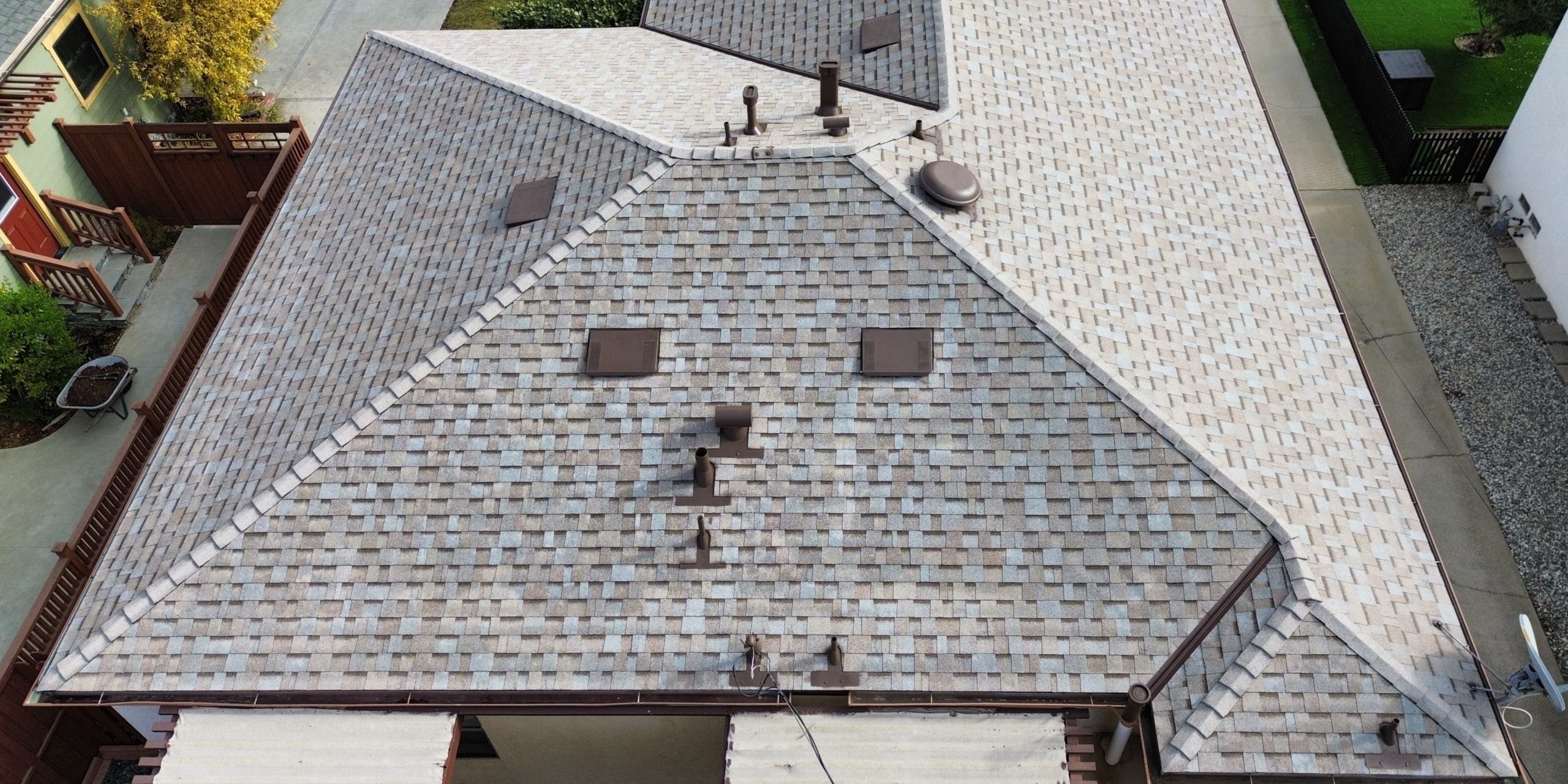
Choosing the right roofing material is a critical decision for homeowners in Southern California. When comparing metal roof vs asphalt shingle in Los Angeles climate, factors like extreme sunlight, wildfire risk, coastal conditions, and seasonal winds play a major role. While both materials are widely used across the United States, their performance can vary significantly in Los Angeles because of the region’s unique environmental conditions.
Understanding Los Angeles Climate and Roofing Needs
Los Angeles has a Mediterranean climate, which means long dry summers, mild winters, and frequent sun exposure. Roofing systems in this region must withstand intense heat, UV radiation, seasonal winds, and sometimes coastal environmental conditions.
Because roofs serve as the first layer of protection for a home, choosing a material that performs well in these conditions is essential. Both metal roofs and asphalt shingles have advantages, but their effectiveness depends on how they handle the environmental challenges common in Southern California.
Heat and UV Exposure
Los Angeles receives more than 280 sunny days each year, which places significant stress on roofing materials. Constant exposure to sunlight and ultraviolet radiation can cause some roofing materials to degrade faster over time.
Metal roofs perform well in hot climates because they reflect a large portion of solar radiation. Many modern metal roofing systems include reflective coatings that reduce heat absorption and help keep homes cooler during summer months.
Asphalt shingles, on the other hand, tend to absorb heat. This can increase attic temperatures and may accelerate wear over time. High temperatures combined with UV exposure can gradually dry out the asphalt components, leading to cracking or curling in older shingles.
Because of this, energy efficiency and long term durability often become key considerations when evaluating roofing materials for Los Angeles homes.
Wildfire Risk
Wildfires are an increasing concern across many areas of Southern California. Roofing materials play an important role in protecting homes located in wildfire prone regions.
Metal roofs are naturally non combustible, which means they do not ignite when exposed to airborne embers or flames. Many metal roofing systems meet Class A fire rating standards, the highest level of fire resistance available for residential roofing materials.
Asphalt shingles can also achieve Class A fire ratings when installed with proper underlayment. However, they are still petroleum based materials and may degrade more quickly when exposed to extreme heat or prolonged fire conditions.
For homeowners living near hillside areas or wildfire zones, fire resistance is often a major factor in the roofing decision process.
Coastal Salt Air
Homes located near the Los Angeles coastline face an additional challenge: salt air exposure. Salt carried by ocean winds can accelerate corrosion in certain building materials.
Metal roofs installed near the coast typically require protective coatings such as galvanized steel, aluminum, or specialized paint systems designed to resist corrosion. When properly coated, metal roofs can perform well in coastal environments.
Asphalt shingles generally resist salt exposure because they contain mineral granules and fiberglass reinforcement. However, constant moisture and coastal humidity may contribute to algae growth or discoloration over time.
For properties located near the ocean, selecting the right roofing material and protective coatings becomes essential for long term durability.
Santa Ana Winds
Los Angeles frequently experiences strong seasonal winds known as Santa Ana winds, which can reach speeds exceeding 40 to 60 miles per hour. These winds place considerable stress on roofing systems.
Metal roofing panels are typically secured using interlocking systems or concealed fasteners, making them highly resistant to wind uplift when properly installed. Their rigid structure allows them to perform well during strong wind events.
Asphalt shingles can also withstand wind when installed correctly, but individual shingles may loosen or lift during severe storms. Over time, repeated exposure to wind may cause shingles to loosen, particularly on older roofs.
For homes located in areas prone to high winds, wind resistance and installation quality are critical considerations.
What Is a Metal Roof?
A metal roof is a roofing system made from metal panels or tiles designed to protect a building from weather and environmental exposure. These roofs are known for their durability, long lifespan, and strong resistance to fire, wind, and extreme temperatures.
Modern metal roofing systems are used on both residential and commercial buildings. They come in a variety of styles, colors, and finishes that allow homeowners to match the architectural style of their property.
Types of Metal Roofing
Several types of metal roofing systems are commonly used in residential construction.
Standing Seam Metal Roofing
Standing seam roofs feature vertical panels with raised seams that lock together. This design prevents water penetration and provides excellent durability.
Metal Shingles
Metal shingles are designed to mimic traditional roofing materials such as slate, wood shakes, or asphalt shingles while offering the durability of metal.
Corrugated Metal Panels
Corrugated metal panels feature a wavy pattern that increases strength and improves water drainage. They are often used in modern or industrial style homes.
Stone Coated Metal Roofing
This type of roofing combines metal panels with a stone coating that improves aesthetics while maintaining the durability of metal.
Pros of Metal Roofing
Metal roofs offer several advantages that make them attractive for homeowners in warm and dry climates.
- Long lifespan that can exceed 40 to 70 years
- Excellent resistance to fire and extreme heat
- High wind resistance when properly installed
- Reflective surfaces that improve energy efficiency
- Minimal maintenance requirements
- Environmentally friendly because many metal roofs are recyclable
Because of these benefits, metal roofing is often considered a long term investment in property protection.
Cons of Metal Roofing
Despite their durability, metal roofs also have a few potential drawbacks that homeowners should consider.
- Higher upfront installation cost compared to asphalt shingles
- Professional installation required due to specialized systems
- Noise during heavy rain or hail if insulation is inadequate
- Expansion and contraction due to temperature changes
While these factors may affect the initial decision, many homeowners find the long lifespan offsets the higher upfront cost.
What Are Asphalt Shingles?
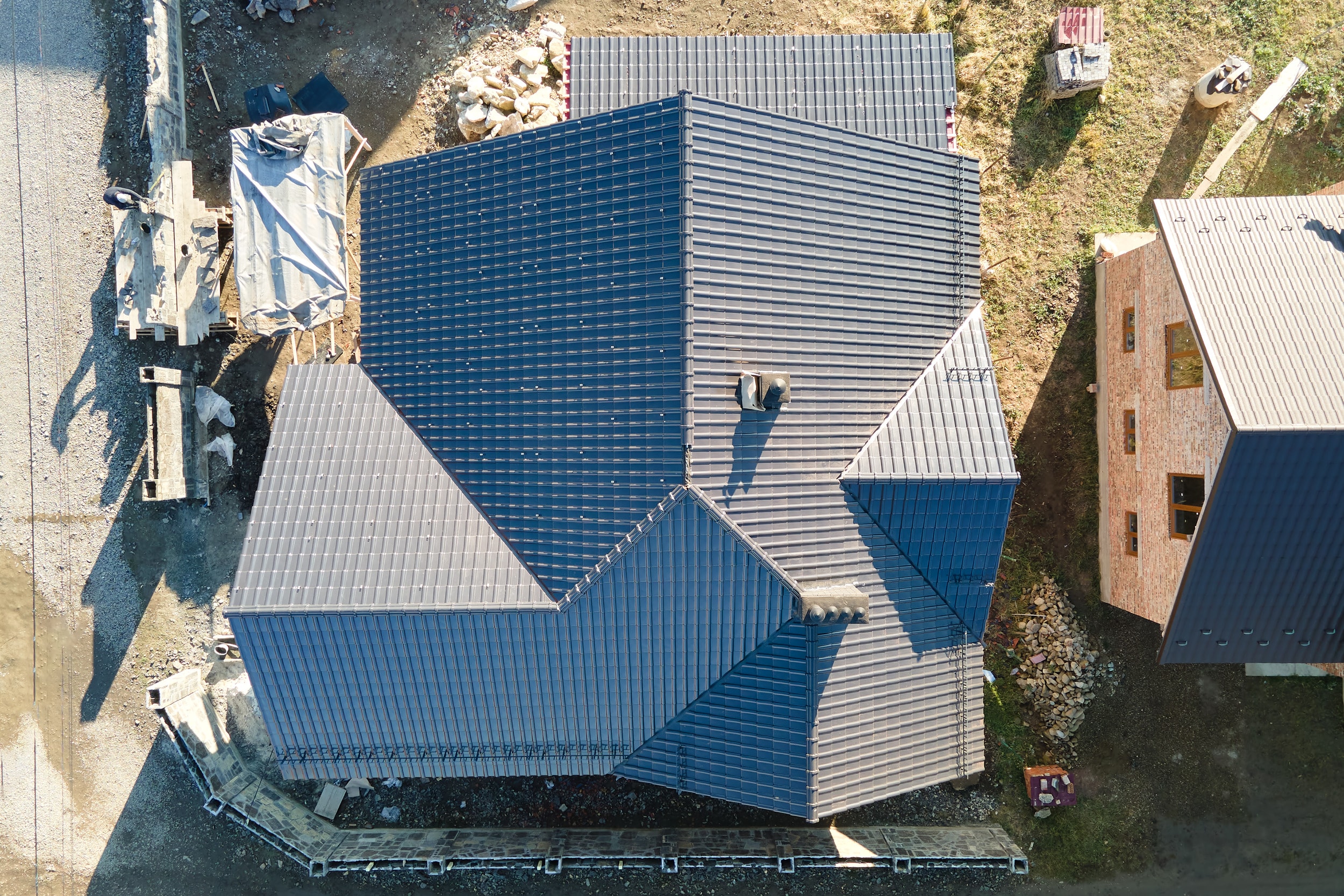
Asphalt shingles are one of the most widely used roofing materials in residential construction. They are made from a fiberglass or organic base mat coated with asphalt and topped with mineral granules for protection.
These shingles are popular because they are affordable, easy to install, and available in many colors and styles. Asphalt shingles work well for a wide range of home designs and remain a common choice for roofing projects across the United States.
Types of Asphalt Shingles
Several types of asphalt shingles are available, each offering different levels of durability and design.
Three Tab Shingles
Three tab shingles are the most basic and affordable type. They have a flat appearance and a shorter lifespan compared to other options.
Architectural Shingles
Architectural shingles, also known as dimensional shingles, are thicker and more durable than three tab shingles. They provide a layered look that improves curb appeal.
Luxury Shingles
Luxury shingles are premium asphalt products designed to replicate the appearance of slate or cedar shake roofs. They offer improved durability and aesthetics.
Pros of Asphalt Shingles
Asphalt shingles remain popular for several reasons.
- Lower installation cost compared to metal roofing
- Wide variety of styles and colors
- Faster and simpler installation process
- Suitable for most residential roof designs
- Easy to repair or replace individual shingles
Because of these benefits, asphalt shingles are often the preferred choice for homeowners working within a limited budget.
Cons of Asphalt Shingles
While asphalt shingles are widely used, they also have limitations.
- Shorter lifespan compared to metal roofing
- More vulnerable to heat and UV damage over time
- May require replacement sooner in hot climates
- Less environmentally friendly because they are petroleum based
- Higher maintenance requirements over long periods
These factors are important to consider when evaluating roofing materials for homes located in warm and sunny regions like Los Angeles.
Metal Roof vs Asphalt Shingle Comparison
When comparing roofing materials, homeowners often look at durability, maintenance, cost, and overall performance. Both metal roofs and asphalt shingles offer benefits, but their long term value can vary depending on climate conditions, installation quality, and maintenance requirements.
The table below highlights the key differences between these two popular roofing options.
| Feature | Metal Roof | Asphalt Shingle |
|---|---|---|
| Average Lifespan | 40–70 years or more | 15–30 years |
| Upfront Cost | Higher initial cost | Lower installation cost |
| Durability | Highly resistant to wind, fire, and extreme weather | Moderate durability with gradual wear |
| Maintenance | Low maintenance requirements | May require periodic repairs or replacement |
| Energy Efficiency | Reflects solar heat and improves cooling efficiency | Absorbs heat and may increase attic temperature |
| Environmental Impact | Often made from recyclable materials | Petroleum based and less recyclable |
| Weight | Lightweight compared to many roofing materials | Slightly heavier depending on shingle type |
| Aesthetic Options | Modern designs, panels, or metal shingles | Wide range of colors and styles |
This comparison helps homeowners understand the practical differences between the two materials before considering factors like climate performance and installation costs.
Performance in Los Angeles Climate
Roofing materials in Los Angeles must withstand intense sunlight, seasonal winds, and dry environmental conditions. Metal roofs tend to perform well in this climate because they reflect sunlight and resist heat related damage. Their durability also allows them to handle strong winds and fire exposure more effectively than many traditional materials.
Asphalt shingles can still perform reliably in Southern California, but prolonged exposure to heat and ultraviolet radiation may gradually reduce their lifespan. Over time, extreme sunlight can cause shingles to lose flexibility, which may lead to cracking or curling. In areas with high temperatures or wildfire risk, homeowners often consider how well their roofing material handles these environmental stresses.
Overall, both roofing systems can work in Los Angeles when properly installed, but metal roofing generally offers stronger resistance to the region’s most demanding weather conditions.
Cost of Metal vs Asphalt Roofing in Los Angeles
The cost of installing a roof in Los Angeles depends on factors such as roof size, design complexity, material quality, and labor rates. Metal roofing typically requires a higher initial investment, while asphalt shingles remain a more affordable option for many homeowners.
| Cost Factor | Metal Roofing | Asphalt Shingles |
|---|---|---|
| Average Cost per Square Foot | $8 – $16 installed | $4 – $7 installed |
| Installation Complexity | Requires specialized installation | Faster and simpler installation |
| Long Term Replacement | Rare due to long lifespan | May require replacement sooner |
| Maintenance Costs | Low maintenance over time | Repairs or shingle replacement possible |
| Long Term Value | Higher long term value due to durability | Lower upfront cost but shorter lifespan |
While metal roofing costs more initially, many homeowners consider the long lifespan and reduced maintenance when evaluating overall value.
Energy Efficiency and Cooling Benefits
Energy efficiency is an important consideration for homeowners in Los Angeles because cooling costs often increase during long summer seasons. Roofing materials can influence indoor temperatures by either reflecting or absorbing heat.
Metal roofs are known for their reflective properties, which help reduce heat absorption. Many modern metal roofing systems include reflective coatings that bounce solar radiation away from the home. This can lower attic temperatures and reduce the strain on air conditioning systems.
Asphalt shingles generally absorb more heat because of their darker mineral surfaces. This can cause higher roof surface temperatures during peak sunlight hours. Although newer shingle technologies have improved heat resistance, metal roofing typically provides better energy efficiency in warm climates.
For homeowners looking to reduce cooling costs and improve comfort during summer months, energy performance can play an important role in roofing decisions.
When Metal Roofing Is the Better Choice
Metal roofing may be the better option for homeowners who prioritize durability, energy efficiency, and long term performance.
- Homes located in wildfire prone areas that require strong fire resistance
- Properties exposed to intense sunlight and high temperatures
- Homeowners seeking a roof that can last several decades
- Properties in areas that experience strong winds or seasonal storms
- Homeowners interested in environmentally friendly roofing materials
- Long term property owners who want lower maintenance requirements
In these situations, the durability and resilience of metal roofing can offer long term advantages.
When Asphalt Shingles Make More Sense
Asphalt shingles may be the preferred choice when affordability and design flexibility are the main priorities.
- Homeowners working with a limited roofing budget
- Properties where quick installation is important
- Homes with traditional architectural styles that suit shingle designs
- Situations where homeowners plan to sell or move in the near future
- Roof replacement projects where the existing structure is designed for shingles
Because of their lower upfront cost and wide availability, asphalt shingles remain one of the most common roofing materials used in residential construction.
Final Verdict
When comparing metal roof vs asphalt shingle in Los Angeles climate, both materials offer advantages depending on the homeowner’s goals, budget, and property conditions. Asphalt shingles provide an affordable and widely used roofing option that works well for many homes. Metal roofing, however, offers superior durability, fire resistance, and energy efficiency, which can be valuable in Southern California’s sunny and sometimes extreme climate.
Read More About the Solar Roof vs Traditional Roof Cost in California.