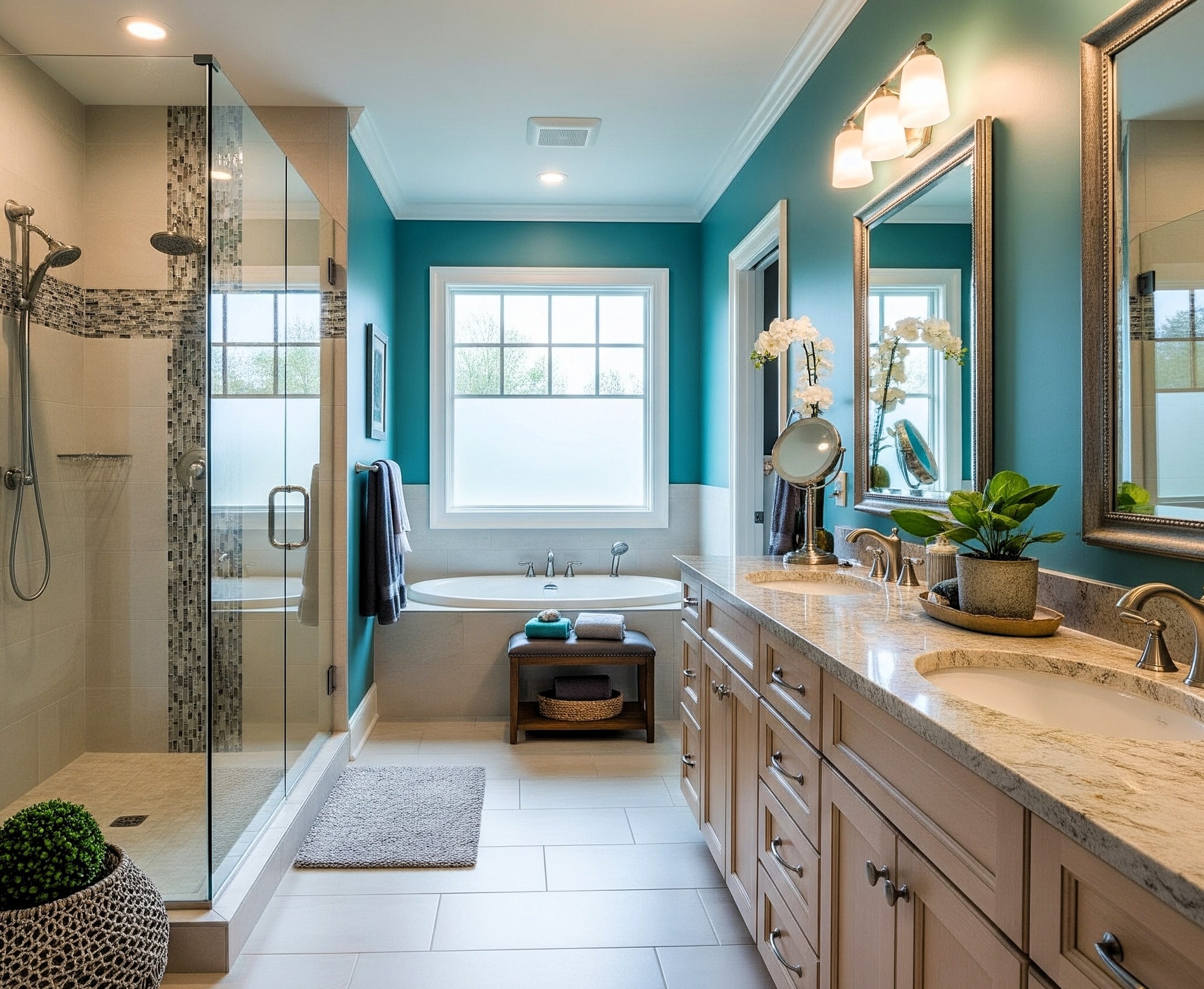
Dreaming of a beautiful new bathroom? Whether you’re willing to have a spa-like oasis or a more functional family space, a successful bathroom renovation doesn’t happen by accident. It requires good planning and a clear vision.
Let’s break down the steps to ensure your project goes smoothly and results in the bathroom of your dreams.
Step 1: Define Your Bathroom Renovation Goals
Before choosing tiles or fixtures, it is important to understand why you want to renovate. Clear goals help you avoid costly changes later and keep the project focused on what truly improves your daily comfort and home value.
Identifying Functional Problems and Comfort Needs
Start by looking at what does not work in your current bathroom. This may include poor lighting, limited storage, outdated plumbing, or a layout that feels cramped.
Comfort issues such as poor ventilation, cold flooring, or lack of counter space also deserve attention. Writing down these problems helps guide better design decisions.
Choosing Between Simple Upgrades or a Full Remodel
Some bathrooms only need surface updates like new fixtures, paint, or lighting. Others require a full remodel that includes layout changes, plumbing updates, or structural improvements.
Understanding the difference helps you plan the right scope of work and avoid underestimating time and cost.
Setting Style, Layout, and Long Term Expectations
Think about how long you plan to stay in your home and how the bathroom should serve you over time. A family bathroom, guest bath, or primary suite all require different design priorities.
Defining your style and future needs early helps create a space that remains functional and attractive for years.
Step 2: Set a Realistic Budget and Timeline for Bathroom Renovation
A successful renovation depends on planning costs and time carefully. Setting realistic expectations prevents stress and allows smoother decision making throughout the project.
Understanding Typical Bathroom Renovation Costs
Bathroom renovation costs vary based on size, materials, and the level of structural work involved. Labour, plumbing, waterproofing, and tile installation often make up a large portion of the budget. Knowing these major cost areas helps you allocate funds wisely.
Planning for Hidden Expenses and a Contingency Fund
Older bathrooms may hide issues such as water damage, outdated wiring, or failing pipes. Setting aside a contingency budget helps cover these surprises without delaying the project. A safety buffer allows repairs to be handled quickly and professionally.
Creating a Timeline That Fits Daily Routines
Bathroom renovations can affect daily schedules, especially when the space is used by the whole household. Planning the project timeline around work hours, school schedules, and temporary bathroom arrangements reduces disruption. A clear schedule also helps contractors coordinate tasks efficiently and stay on track.
Step 3: Plan the Bathroom Layout and Space Efficiency
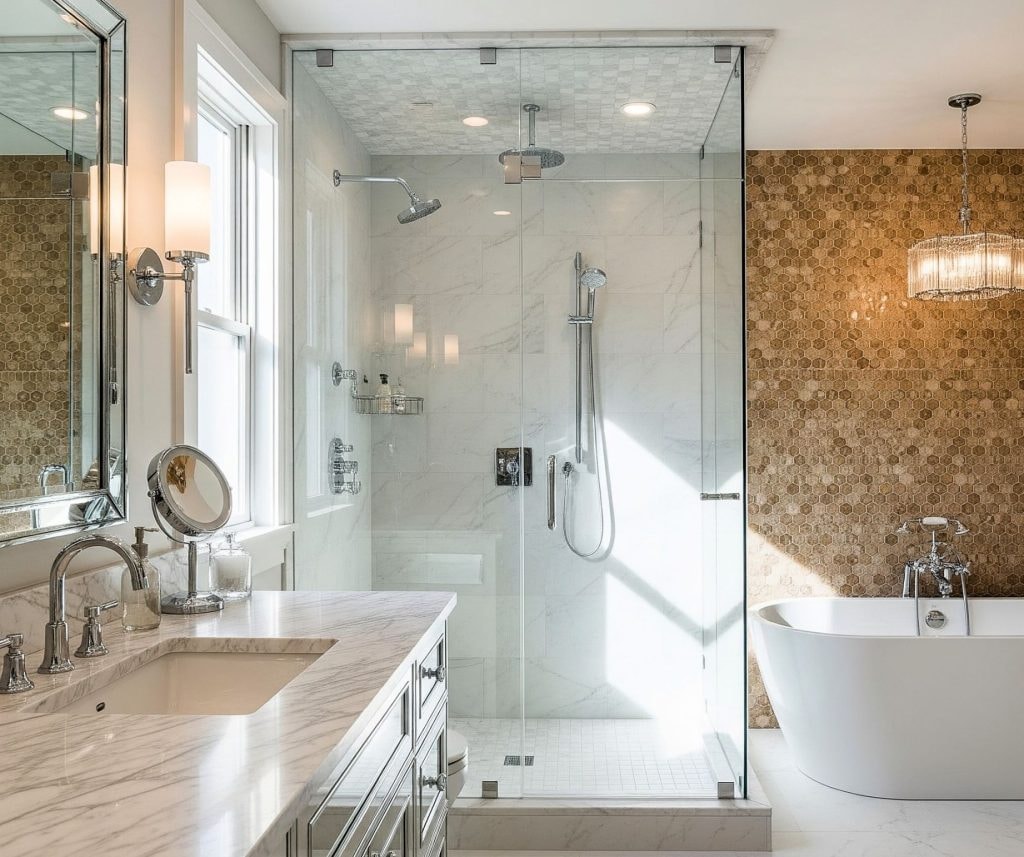
A well planned layout makes a bathroom easier to use and more comfortable every day. Smart space planning also helps avoid future changes that can be costly and disruptive.
Improving Traffic Flow and Fixture Placement
Fixtures should be placed so the room feels open and easy to move through. The shower, toilet, and vanity need enough clearance for comfortable use.
Proper spacing prevents the room from feeling cramped and allows doors and drawers to open fully without obstruction.
Storage Solutions for Small and Large Bathrooms
Storage is essential for keeping the space organized and clutter free. In small bathrooms, wall mounted cabinets, recessed shelves, and vanity drawers help maximize space.
Larger bathrooms can benefit from linen closets, double vanities, and built in shelving that keep daily items within easy reach.
Lighting and Ventilation Planning
Good lighting improves visibility and enhances the overall feel of the space. A combination of overhead lighting, task lighting near mirrors, and soft ambient light creates balance.
Proper ventilation removes moisture, prevents mold, and keeps air fresh, making the bathroom healthier and more comfortable.
Step 4: Choose Bathroom Materials and Fixtures Carefully
The materials and fixtures you select affect how your bathroom looks, feels, and performs over time. Choosing wisely ensures long lasting quality and easier maintenance.
Selecting Moisture Resistant Flooring and Wall Finishes
Bathrooms are exposed to constant humidity and water. Materials such as porcelain tile, natural stone, and waterproof wall panels resist moisture and reduce the risk of damage.
Proper waterproofing beneath these surfaces is equally important for long term durability.
Choosing Vanities, Showers, Tubs, and Toilets
Fixtures should match both your space and lifestyle. Compact vanities work well in smaller bathrooms, while double vanities suit shared spaces.
Walk in showers, soaking tubs, and modern toilets each serve different needs, so comfort and function should guide your choices.
Balancing Durability, Style, and Water Efficiency
Modern fixtures offer stylish designs while using less water and energy. Selecting high quality products with water saving features helps reduce utility costs and supports sustainable living.
Durable materials also ensure the bathroom remains attractive and functional for many years.
Step 5: Address Plumbing, Electrical, and Ventilation
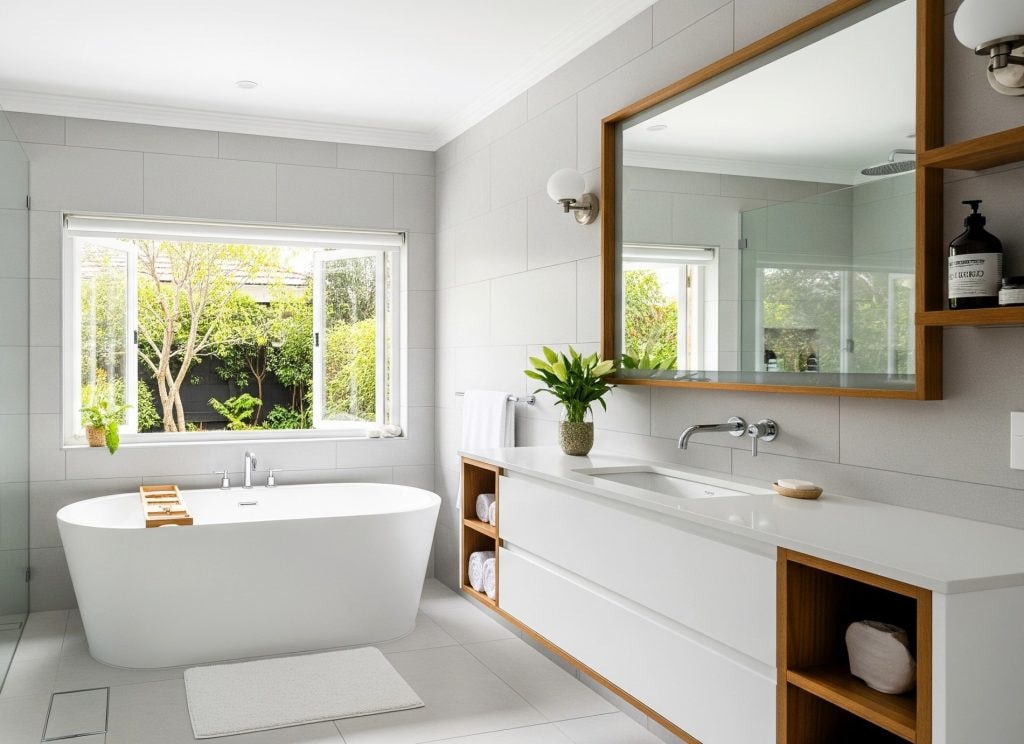
Behind-the-wall systems are just as important as visible finishes. Updating these systems during renovation prevents future problems and ensures the bathroom functions safely and efficiently.
Updating Old Plumbing and Wiring Safely
Older pipes and wiring may not support modern fixtures, lighting, or water pressure demands. Replacing outdated plumbing helps prevent leaks and water damage.
Upgrading electrical systems ensures safe operation of lighting, outlets, heated floors, and ventilation fans while meeting current safety standards.
Proper Exhaust Systems to Prevent Moisture Damage
Bathrooms produce high humidity, which can lead to mold, peeling paint, and structural damage without proper ventilation. A well sized exhaust fan removes moist air quickly and improves indoor air quality. Proper placement and venting to the exterior are essential for long term protection.
Meeting Local Building Codes and Permit Requirements
Most bathroom renovations require permits for plumbing, electrical, and structural changes. Following local building codes ensures safety, legal compliance, and smooth resale in the future.
Professional contractors handle inspections and approvals, preventing costly delays or rework.
Step 6: Hire the Right Renovation Professionals and Prepare for Construction
The right team and preparation make the renovation process smoother, faster, and far less stressful. Skilled professionals guide design, construction, and coordination from start to finish.
Selecting an Experienced Bathroom Remodeling Contractor
An experienced contractor understands layout planning, waterproofing, material selection, and code requirements. Reviewing portfolios, licenses, and customer feedback helps ensure quality workmanship and reliable project management.
Design-to-Build Coordination for Smoother Execution
Design-to-build services combine planning and construction under one team. This approach reduces miscommunication, shortens timelines, and ensures the final result matches the original design vision while staying within budget.
Preparing Your Home and Minimizing Renovation Disruption
Before work begins, clear the bathroom and protect nearby areas from dust and noise. Setting expectations for work hours, access routes, and temporary bathroom arrangements helps reduce daily disruption and keeps the household comfortable during construction.
Conclusion
Planning the perfect bathroom renovation starts with clear goals, a realistic budget, and smart design choices. From layout and materials to plumbing and professional support, every step plays a role in the final result. When each phase is carefully planned, the renovation becomes smoother and more enjoyable. A well designed bathroom improves comfort, adds value, and serves your needs for many years to come.