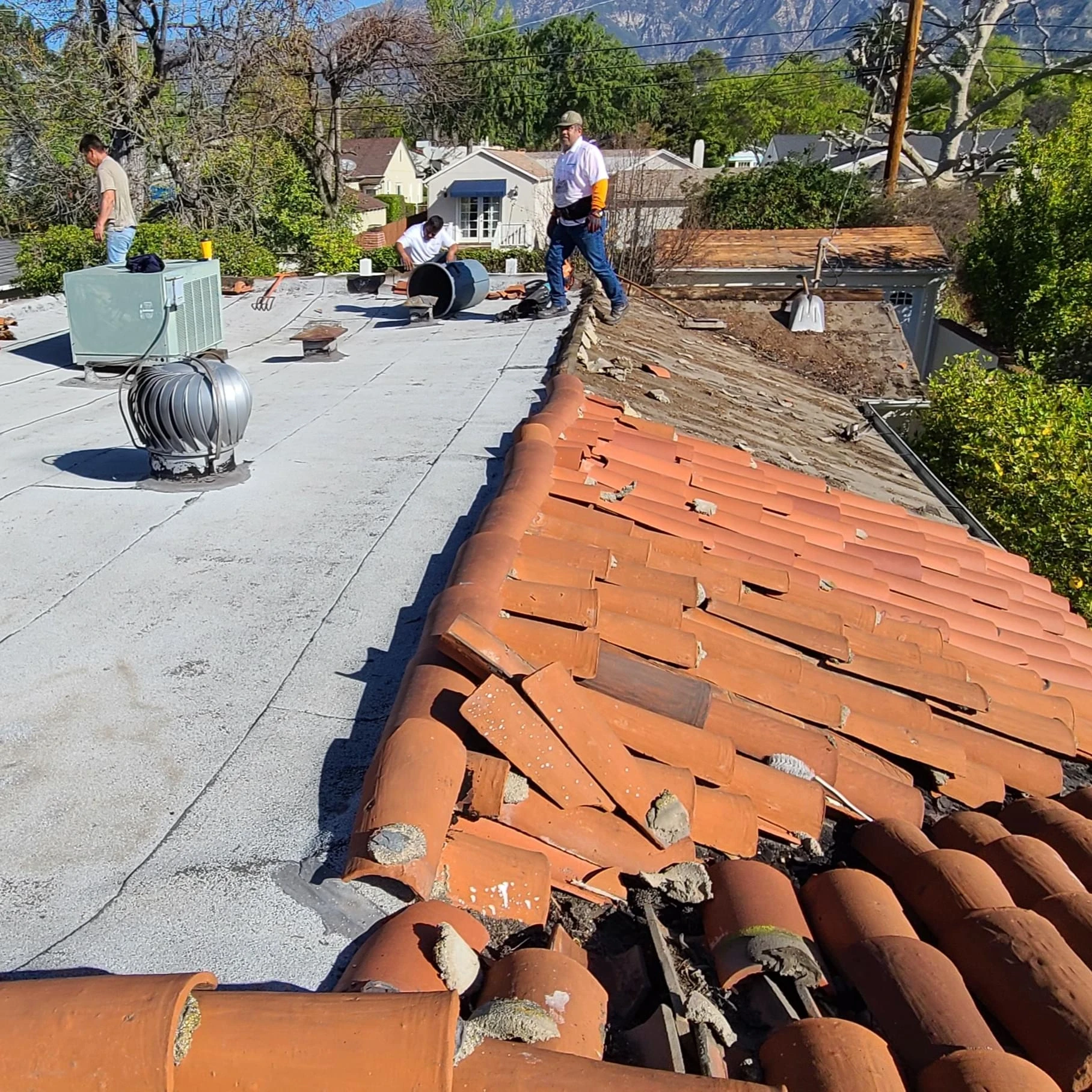
Understanding how long a Roof Last in California helps homeowners plan repairs, budget for upgrades, and protect their homes from harsh conditions. The California climate changes from one region to another, so the lifespan of a roof varies based on sun exposure, coastal air, heat, storms, and local micro climates. When you learn how these elements influence roofing materials, you make better decisions that protect your home for many years.
Why Climate in California Matters for Roof Lifespan
Climate plays a major role in how long a Roof Last in California because the state experiences strong sunlight, coastal humidity, heavy rain, and seasonal winds. Each condition stresses roofing materials in a different way. When a roof faces constant exposure to heat or moisture, the surface breaks down faster. When the weather becomes unpredictable, the roof needs more care to maintain strength. Knowing how climate affects your roof helps you choose better materials and plan smart maintenance.
Sun Exposure and UV Damage
California receives strong sunlight throughout the year. This creates intense UV exposure that weakens roofing materials over time. Shingles begin to dry out and lose their protective surface. Tiles heat up and cool down in quick cycles and this creates small cracks. Metal expands during the day and contracts at night and this movement puts stress on seams.
Constant sunlight shortens the life of many common roofing materials. When your roof sits in an area with full sun, it heats up quickly and loses its natural oils. This leads to early wear, surface fading, and higher indoor temperatures. A roof that deals with strong UV rays needs better ventilation and regular inspections to stay in good shape.
Coastal Humidity and Salt Air Effects
Homes near the California coast face challenges that come from salty air and heavy humidity. Salt in the air settles on roofing materials and slowly corrodes metal parts such as fasteners, flashing, and valleys. Clay and concrete tiles also absorb moisture and need time to dry, yet constant humidity slows this process and increases the chance of surface damage.
Moisture also collects under the roof covering when ventilation stays poor. This creates the right conditions for mold, wood swelling, and early material breakdown. Coastal homeowners often choose materials that resist corrosion because constant exposure to sea air affects both the strength and the lifespan of the roof.
Weather Extremes: Fires, Wind, Rain
California weather shifts quickly and these sudden changes put extra stress on roofs. High winds lift shingles and loosen tiles. Heavy rain tests the roof structure and checks the quality of flashing, gutters, and drainage. Strong storms push water under the roofing material when the surface already shows early signs of wear.
Wildfire season also affects how long a Roof Last in California. Flying embers can land on roofing surfaces and create heat damage. This risk increases the need for fire resistant roofing materials. Each weather event shapes the long term health of the roof and highlights the value of using strong materials that match the local climate.
Typical Roof Materials and Their Lifespans in California
California’s climate affects roofing materials differently, and each option delivers a unique balance of durability and performance. Lifespan depends heavily on sun exposure, ventilation and installation quality. Many homeowners also review completed projects to understand how different roofs hold up over time, which is why browsing the roofing gallery can be helpful when comparing materials.
Asphalt Shingles
Asphalt shingles typically last 20 to 30 years in California. They remain popular because of their affordability and consistent performance across most regions. Hotter inland areas can shorten their lifespan due to heavy UV exposure that dries and cracks the surface over time. Architectural shingles tend to last longer than basic three-tab shingles, especially when paired with proper attic ventilation and routine inspections.
Clay and Concrete Tile
Clay and concrete tiles often last 40 to 50 years or more, making them some of the most durable roofing materials in the state. They handle high heat well and resist coastal moisture. While the tiles themselves usually remain intact for decades, the underlayment beneath them may need replacement sooner. Their fire resistance and long-term stability make them a strong choice for California’s warmer climates.
Metal Roofing and Standing Seam
Metal and standing seam roofs generally last 40 to 70 years thanks to excellent heat reflection and resistance to environmental damage. These roofs perform particularly well in wildfire-prone areas because they are non-combustible. Minimal maintenance is required beyond occasional cleaning, and homeowners who want longevity with improved energy efficiency often prefer metal roofing systems.
Flat Roof Membranes and EPDM
Flat roof systems have varied lifespans based on material type. EPDM usually lasts 20 to 25 years, while membranes like TPO and modified bitumen range from 15 to 30 years. California’s intense sun can accelerate wear, making routine cleaning, proper drainage and timely repairs essential. Reflective coatings also help reduce heat absorption and extend the roof’s overall lifespan.
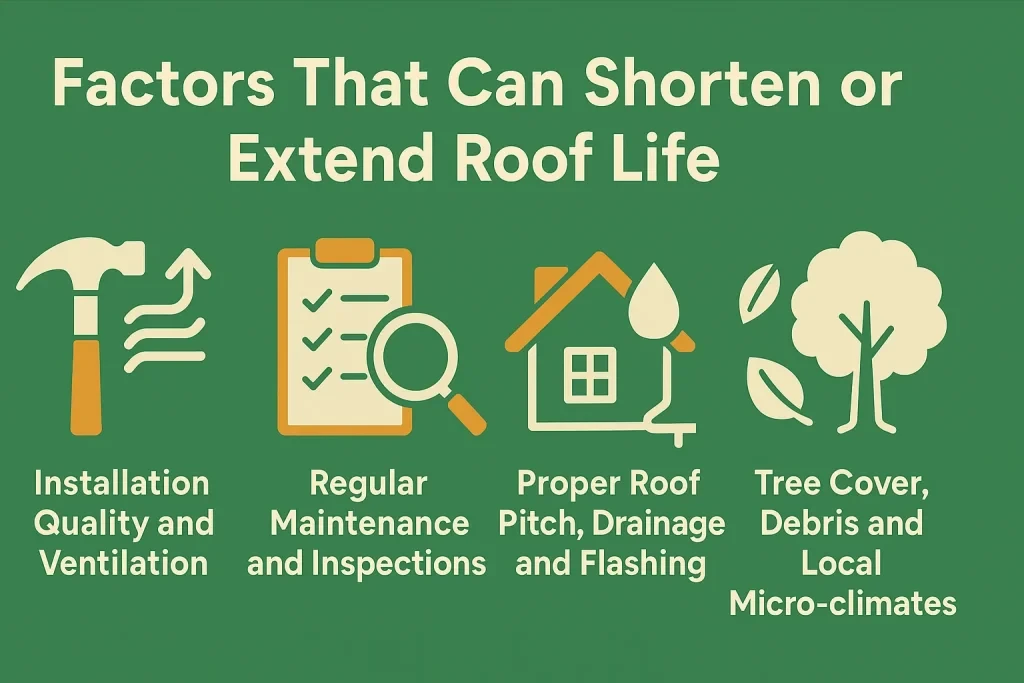
Factors That Can Shorten or Extend Roof Life
Many elements influence how long a roof lasts in California. Homeowners often examine material options and proper installation methods before planning a project, and exploring the roofing services offered by local professionals helps them understand which systems support long-term durability:
Installation Quality and Ventilation
A roof installed with precision usually performs better because all components work together as a unified system. High-quality fastening, proper alignment and correct underlayment placement help the roof resist California’s sun exposure and seasonal weather shifts. Strong ventilation is equally important because it removes trapped heat from the attic and reduces moisture buildup.
Regular Maintenance and Inspections
Consistent maintenance helps prevent early aging. Inspections allow homeowners to spot loose shingles, cracked tiles or worn sealant before the damage spreads. Seasonal cleaning reduces debris buildup that traps moisture on the roof surface. When minor issues are corrected early, the roof maintains its strength longer and avoids costly structural repairs. A maintenance routine built around spring and fall inspections usually provides the best long-term results.
Proper Roof Pitch, Drainage and Flashing
Roof pitch affects how quickly water leaves the surface, and proper drainage helps prevent standing water that damages materials. Homes with lower slopes require more frequent checks because water can settle in small dips after heavy rain. Flashing protects the joints, valleys and edges where leaks most commonly appear. When flashing weakens or pulls away, water can reach the deck and cause long-term deterioration. Ensuring these elements remain in good condition helps the roof withstand changing weather patterns.
Tree Cover, Debris and Local Micro-climates
Tree cover influences roof performance in many ways. Shade may reduce heat exposure, but falling debris collects on the surface and slows water flow. Leaves, branches and organic material hold moisture that weakens shingles or tiles. Homes located in coastal, canyon or fog-prone areas often experience unique micro climates that accelerate wear. Regular trimming and routine roof cleaning help reduce moisture retention and extend the lifespan of the roofing system.
Signs Your Roof Might Be Nearing the End of Its Life
Recognizing early warning signs helps homeowners plan repairs or replacements before structural issues become severe. When visible damage appears, the roof may be approaching the final years of its service life.
Curling or Missing Shingles
Curling usually means shingles have dried out from constant exposure to heat. As shingles lift, water can move underneath and cause leaks. Missing shingles are another sign that the roof can no longer withstand wind or seasonal storms. These issues often show up as the roof reaches the end of its expected lifespan.
Damaged Tiles or Corrosion
Cracked or misaligned tiles allow water to slip beneath the surface and reach the underlayment. Tile roofs last a long time, but damaged underlayment signals that the system is weakening. Metal roofs show aging through corrosion, rust spots or loosening seams. When these signs appear, the roof’s ability to protect the home begins to decline.
Interior Water Stains, Sagging, or Leaks
Water stains inside the home indicate that moisture has already passed through the roofing layers. Sagging areas may point to wood rot or long-term water infiltration. Even small leaks often suggest deeper structural concerns that require immediate attention to avoid costly damage.
Energy Costs Rising and Poor Insulation
A roof near the end of its life offers less insulation and ventilation support. Indoor temperatures fluctuate more than usual, which causes HVAC systems to work harder. Rising energy bills often indicate weakened roofing materials, aging underlayment or damaged attic insulation. These signs usually appear as the roof begins to lose its efficiency.
Tips for Maximizing Your Roof’s Life in California
California homeowners can extend their roof’s lifespan by choosing appropriate materials and maintaining the system throughout the year. Exploring available roofing options helps determine which materials perform best in your region.
Choosing the Right Material for Your Region
California’s climate varies dramatically, so selecting the right roof material makes a significant difference in longevity. Homes near the coast face salt moisture, while inland regions handle intense heat. Selecting the right roof helps reduce early aging.
Best materials by region include:
- Coastal zones use tile or metal because they resist salt exposure.
- Inland homes prefer high quality asphalt shingles for better heat resistance.
- Mountain regions benefit from metal roofs because they handle changing weather patterns.
- Urban areas often choose modern cool roofing systems for energy savings.
Quick Comparison Table
| Region Type | Best Roofing Material | Main Benefit |
|---|---|---|
| Coastal Areas | Tile or Metal | Strong resistance to humidity and salt air |
| Inland Hot Zones | Architectural Asphalt Shingles | Better UV durability and stability |
| Mountain Areas | Metal Roofing | Excellent weather protection |
| Urban Locations | Cool Roofing Systems | Lower energy use and reduced heat |
Scheduling Regular Professional Roof Inspections
Professional inspections help detect early signs of deterioration before structural damage occurs. Experts identify issues like loose flashing, cracked shingles or tile shifts.
Common items checked during inspections:
- Weak underlayment
- Ventilation issues
- Moisture spots or early leaks
- Debris buildup in hidden areas
- Damaged flashing near edges and transitions
Proper Cleaning, Gutter Maintenance and Vent Upkeep
Regular cleaning keeps debris from trapping moisture and slowing water flow. Gutter maintenance prevents overflow that pushes water back toward the roof surface. Vent upkeep regulates attic temperature, which protects roofing materials from heat stress.
Maintenance Checklist
- Remove leaves and organic buildup
- Clear gutters before rainy seasons
- Ensure vents are unobstructed
- Monitor shaded areas for mold
- Clean roof valleys often
“A roof lasts longer when homeowners treat maintenance as prevention rather than repair.”
Upgrading to Reflective or Cool Roofing
Cool roofing options help reduce heat absorption, especially in regions with intense sunlight. These systems reflect more heat and keep the structure cooler, which protects materials from thermal stress and promotes energy efficiency.
Benefits of cool roofing include:
- Lower temperatures on roof surfaces
- Reduced attic heat buildup
- Less strain on roofing materials
- Improved utility efficiency during summer
- Better long term performance in sunny areas
Cost Considerations and Timing for Roof Replacement
Roof replacement involves timing, budgeting and understanding regional factors that affect costs. Planning ahead helps homeowners avoid emergency repairs and make informed decisions.
Typical Replacement Windows by Material
Different roofing materials follow general lifespan guidelines that help homeowners estimate when a replacement becomes necessary.
Lifespan Overview Table
| Roofing Material | Average Lifespan | Notes |
|---|---|---|
| Asphalt Shingles | 20 to 30 years | Shorter in hot inland regions |
| Clay or Concrete Tile | 40 to 50 years | Underlayment may need earlier replacement |
| Metal Roofing | 40 to 70 years | Low maintenance and durable |
| Flat Roof Membranes | 15 to 30 years | Heat exposure reduces lifespan |
Local Regulations, Permits and Insurance Factors
California roof replacements follow local building regulations that ensure proper structural support and compliance with fire safety standards. Cities may require special documentation for permits. Insurance companies sometimes request roof inspection reports before offering coverage upgrades.
When to Repair vs When to Replace
Minor issues such as small leaks or isolated shingle damage can often be repaired. When damage spreads across large sections of the roof or the system reaches the end of its expected lifespan, replacement becomes the more cost effective choice.
When repair is enough:
- Damage is limited to a small area
- Moisture has not reached structural layers
- Materials are still within their lifespan
- Flashing or vent issues are minor
When replacement is smarter:
- Widespread shingle curling or cracking
- Repeated leaks in different areas
- Aging underlayment showing early failure
- High repair costs add up over time
“Repairing small areas helps, but a full replacement becomes smarter when the roof cannot offer lasting protection.”
Conclusion
Understanding how long a roof lasts in California helps homeowners plan maintenance, manage repair decisions and choose materials that match local conditions. When you consider climate, installation quality and long term upkeep, you can extend the life of your roof and protect your home more effectively. With the right approach, California homeowners can get the best performance from their roofing system and avoid early replacement.