When it comes to keeping your home comfortable year-round, your HVAC system is the unsung hero. But if you are building a new house or facing a major replacement, the sheer number of options can feel overwhelming. What exactly are the different types of HVAC systems, and which one is right for your home? Let’s break down the basic components and explore the best options on the market today.
Understanding the Core Components of HVAC
HVAC stands for Heating, Ventilation, and Air Conditioning. Together, these systems control the temperature, humidity, and overall air quality inside your home. While there are many different setups, almost all of them rely on three basic mechanical components.
The Heating Unit: Furnaces and Heat Pumps
Your primary heating source keeps you warm during the winter. For decades, the traditional gas furnace has been the standard, generating heat by burning fuel.
Today, modern electric heat pumps are incredibly popular. Instead of burning fuel, heat pumps simply transfer warm air from the outside into your home, making them highly efficient.
The Cooling Unit: Air Conditioners
When summer hits, the cooling unit takes over. A standard air conditioner relies on two main parts: an outdoor compressor and an indoor evaporator coil.
The system absorbs heat and humidity from your indoor air and releases it outside, blowing crisp, cool air back into your rooms.
The Distribution Network: Ductwork and Vents
If you have a “forced-air” system, it relies on a hidden distribution network. Large sheet metal tubes, known as ductwork, are installed in your walls, attic, or basement.
A powerful blower fan pushes the conditioned air through these ducts and out into every room through your floor or ceiling vents.
The Most Common Residential HVAC Systems
Now that you know the basic parts, let’s look at how they are put together. Here are the standard configurations most homeowners choose when buying a new unit.
Traditional Split Heating and Cooling Systems
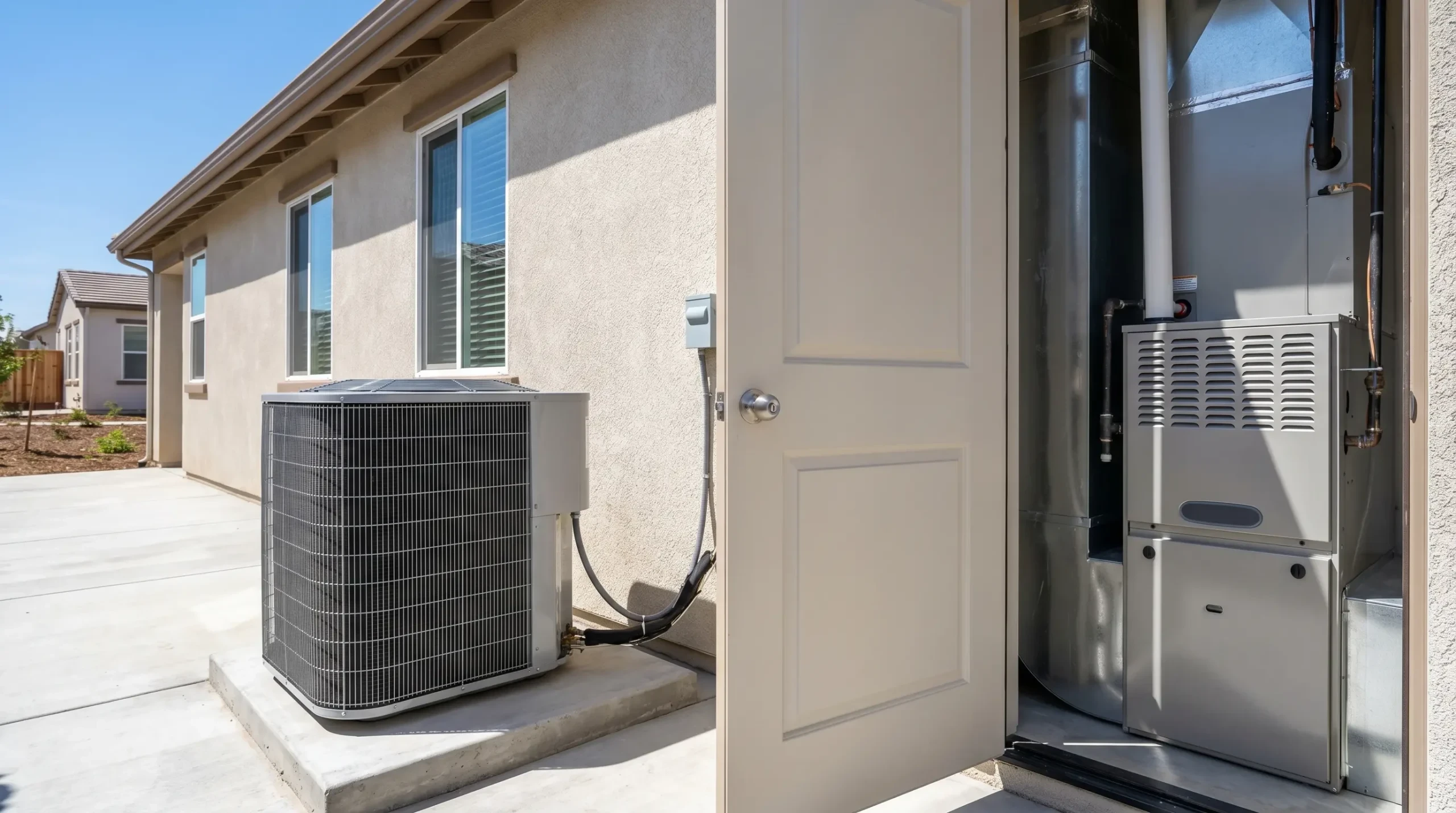
The split system is the most popular choice in North America. Just as the name suggests, the system is split into two parts: an outdoor air conditioning unit and an indoor furnace (usually located in a basement or closet). They share the same ductwork to distribute air throughout the house.
Ductless Mini-Split Systems for Targeted Comfort
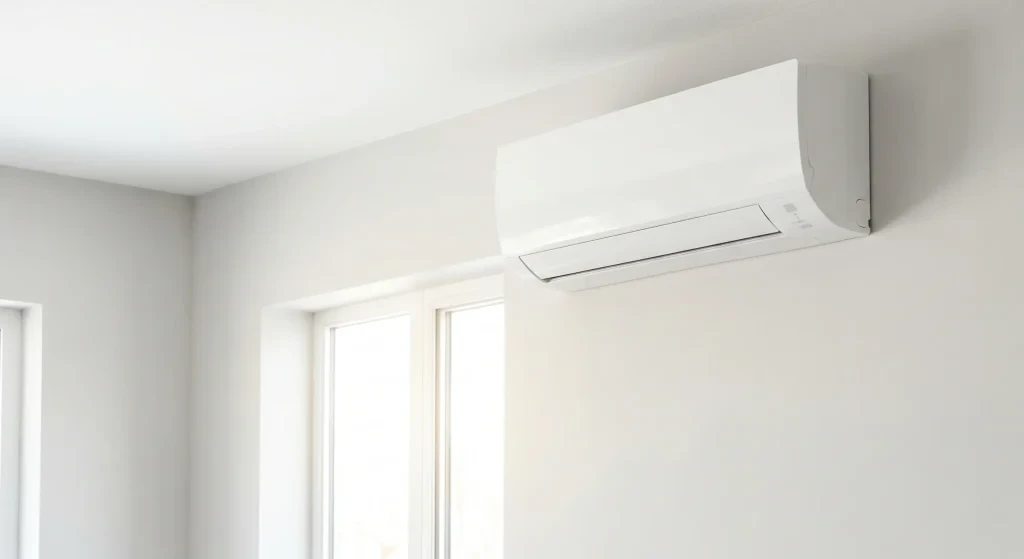
What if your house does not have ductwork? Ductless mini-splits are the perfect solution. These systems feature a small outdoor compressor connected directly to individual wall-mounted blowers inside the house. They are incredibly energy-efficient and are perfect for home additions, garages, or older historic homes.
Packaged Heating and Air Systems
If your home lacks the indoor space for a furnace, a packaged system is a great alternative. Instead of splitting the components, the heater, air conditioner, and blower are all housed inside one single metal cabinet. This unit sits entirely outside on your roof or on a concrete slab next to the house.
Advanced and Energy-Efficient HVAC Options
With energy costs rising, many homeowners are looking for smarter, greener ways to heat and cool their homes. Here are the top advanced options available today.
Hybrid Heat Pump Systems (Dual Fuel)
A hybrid system gives you the best of both worlds. It combines an electric heat pump with a traditional gas furnace. The system uses the highly efficient heat pump during mild weather.
If the temperature drops below freezing and the heat pump struggles, the system automatically switches to gas power to keep you warm.
Geothermal HVAC Systems
Geothermal systems use the stable, constant temperature of the earth to heat and cool your home. Underground pipes circulate water, absorbing heat from the dirt in the winter and dumping heat into the dirt in the summer. While the upfront installation cost is high, the long-term energy savings are massive.
Smart Thermostats and Zoned Configurations
You do not have to heat or cool your entire house just to make one room comfortable. By adding motorized dampers inside your ductwork and connecting them to smart thermostats, you create a “zoned” system.
This allows you to control the exact temperature of individual rooms independently, saving you serious money on your utility bills.
Quick Comparison of HVAC System Types
| HVAC System Type | Best Used For | Energy Efficiency | Upfront Cost |
|---|---|---|---|
| Traditional Split | Most standard homes with existing ductwork. | Moderate to High | Moderate |
| Ductless Mini-Split | Home additions, individual rooms, or older homes. | Very High | High (Per Room) |
| Packaged System | Small homes with no basement or attic space. | Moderate | Low to Moderate |
| Hybrid (Dual Fuel) | Cold climates with fluctuating winter temperatures. | High | High |
| Geothermal | Homeowners looking for the ultimate long-term ROI. | Extremely High | Very High |
Key Factors to Consider When Choosing Your System
Choosing the right HVAC system is a big decision. Before you buy, you need to look at your specific home and daily lifestyle. Here are the most important things to keep in mind:
- Your Local Climate: Heat pumps work great in mild winters. However, if you face extreme freezing temperatures, you will likely need a traditional gas furnace or a hybrid system to stay warm.
- Existing Ductwork: If your home already has good, clean ducts, a traditional split system is usually the most cost-effective option. If you lack ductwork, a ductless mini-split is the way to go.
- Home Size and Layout: A massive home needs a system with more power. A professional must size your unit correctly so it does not overwork itself or short-cycle.
- Energy Efficiency Ratings: Always check the industry energy ratings. Higher ratings mean better efficiency, a smaller carbon footprint, and lower monthly bills.
- Available Budget: Think about both the upfront price and the long-term running costs. A cheaper unit today might cost you much more in monthly energy bills over the next decade.
The Financial Impact: Costs and Energy Savings
A new HVAC system is a major financial investment. However, buying the right unit is not just about spending money, it is about saving money over time. Let’s break down the actual costs.
Upfront Installation Costs vs Long-Term ROI
High-efficiency systems cost more to install right now. However, they use significantly less power to run. This means your monthly utility bills will drop drastically. Over the next 10 to 15 years, that monthly savings often pays back the extra money you spent upfront. This creates a fantastic return on investment (ROI).
Taking Advantage of Energy-Efficiency Rebates
You do not have to pay the full price alone. Both federal and local governments want you to use less energy. By choosing an eco-friendly unit, you can often claim federal tax credits. You can also get instant cash rebates directly from your local utility company to help offset the initial installation cost.
How SEER and AFUE Ratings Affect Your Wallet
HVAC efficiency is measured in numbers. SEER2 measures how well your air conditioner cools. AFUE measures how well your gas furnace heats. Simply put, the higher these numbers are, the less energy the system wastes. High ratings mean less wasted electricity and more money kept safely in your wallet.
Conclusion
Every home is entirely unique. Because of this, there is no single “best” HVAC system for everyone. The smartest step you can take is to consult with a licensed, experienced HVAC professional.
They will perform a formal “load calculation” to figure out exactly how much heating and cooling power your specific house needs. This ensures you get the perfect system to keep your family comfortable and your energy bills low for years to come.