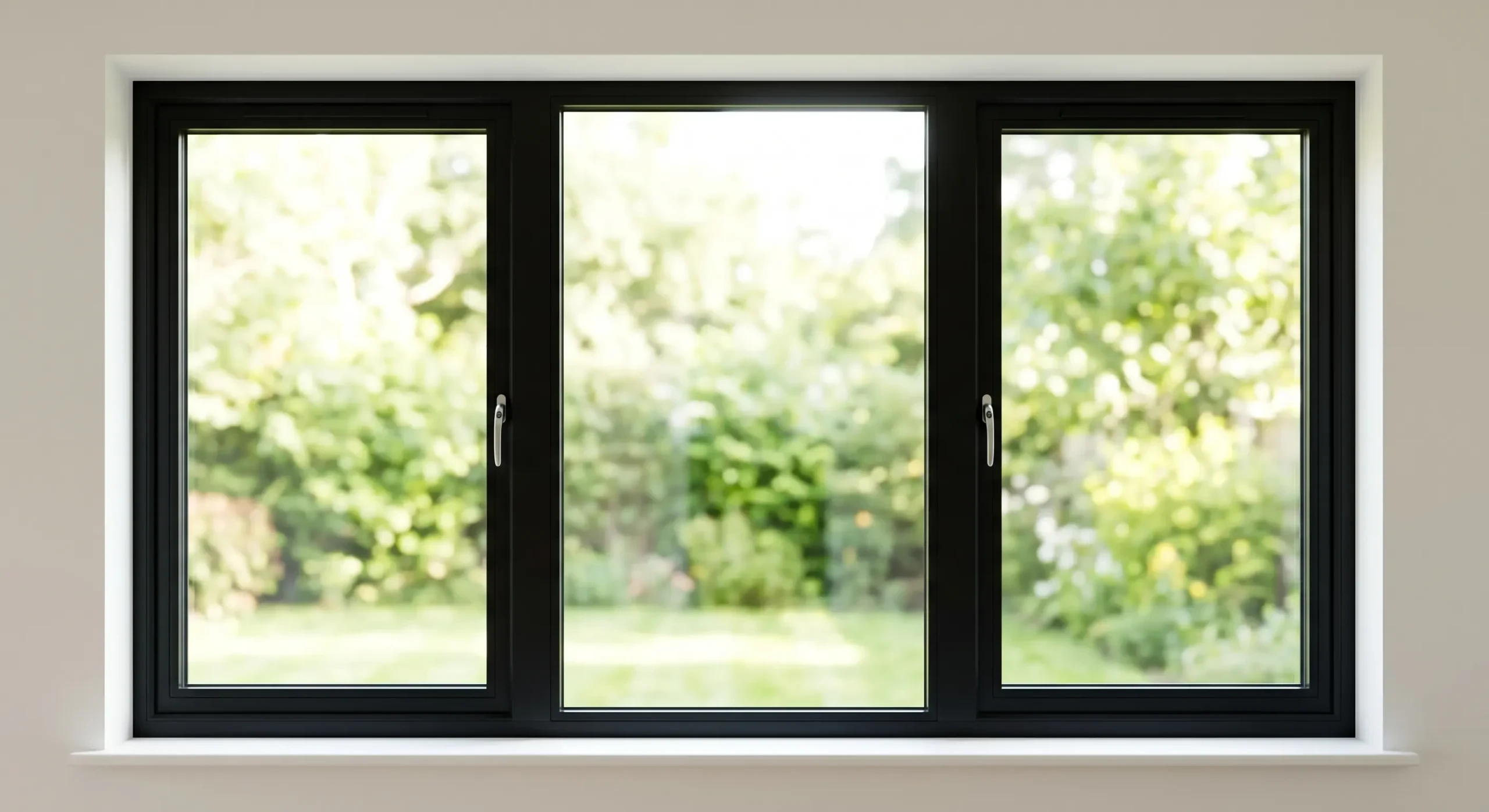
Are your energy bills soaring because of drafty, old windows? Replacing them with energy-efficient windows is one of the best upgrades you can make for your home’s comfort. But let’s get right to the big question: how much is this actually going to cost?
Let’s break down the real costs, the potential savings, and everything you need to know to budget for this smart home improvement.
Understanding the True Cost of Energy-Efficient Windows
On average, homeowners can expect to pay anywhere from $400 to $1,000 per window, including both the materials and the professional installation.
However, there is no one-size-fits-all price tag. Your final bill will depend heavily on the materials you choose, the type of glass, your local labor rates, and the condition of your home’s current window frames.
Average Costs by Window Frame Material
The physical material of the window frame is one of the biggest factors determining your total price. Here is how the most common materials stack up.
Vinyl Windows: The Most Cost-Effective Choice
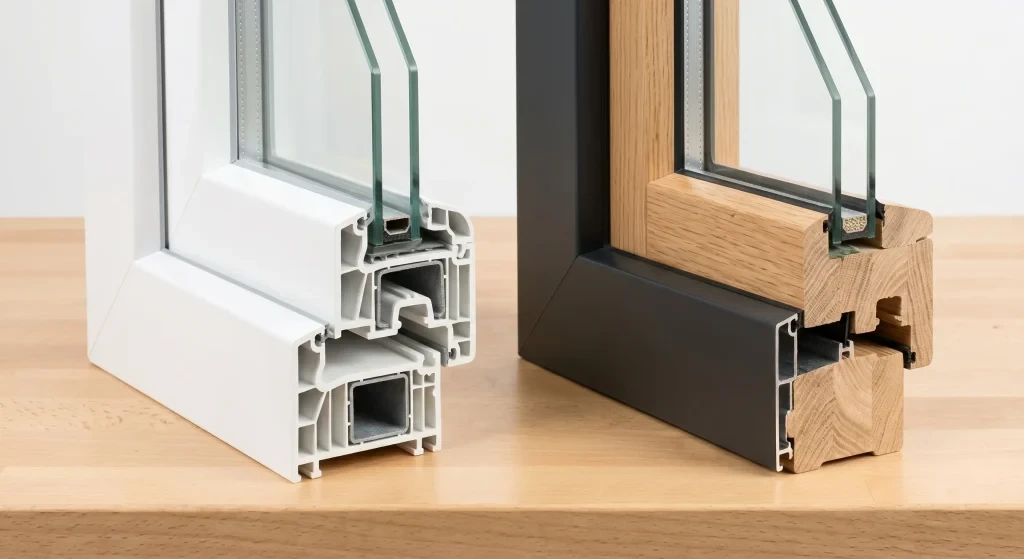
Vinyl is the most popular window material on the market today. It is highly budget-friendly, typically ranging from $400 to $800 installed. Beyond the low price, vinyl offers excellent insulation and requires practically zero maintenance over its lifetime.
Wood Windows: Premium Aesthetics and Price
If you own a historic home or want a high-end, classic look, wood frames are beautiful. However, they come with a premium price tag, often costing $800 to $1,500+ per window. Wood provides great natural insulation, but it does require regular painting and sealing to prevent rot.
Fiberglass Windows: Maximum Durability and Insulation
Fiberglass is the ultimate premium option. These frames generally cost between $600 and $1,200 installed. They are incredibly strong, expand and contract very little in extreme weather, and offer top-tier energy efficiency and longevity.
The Financial ROI: How These Windows Pay for Themselves
It is helpful to look at energy-efficient windows not just as an expense, but as a long-term financial investment. Here is how they put money back into your pocket.
Slashing Your Monthly Heating and Cooling Bills
Modern windows use advanced technology like Low-E glass coatings and insulating argon gas between the panes. These features trap your heated or cooled air indoors. By stopping these invisible leaks, you can reduce your monthly utility costs by up to 15% to 20%.
Boosting Your Property’s Resale Value
Buyers love energy-efficient homes. Upgrading your windows is a major selling point that makes your home stand out. When it comes time to sell your house, you can typically recoup about 60% to 70% of your initial project cost through increased property value.
Extending the Lifespan of Your HVAC System
Drafty windows force your heater and air conditioner to run non-stop just to keep you comfortable. A sealed thermal envelope stops this constant strain.
This prevents your HVAC system from overworking, saving you thousands of dollars in premature repairs and replacement costs.
Offsetting the Price with Tax Credits and Rebates
You do not have to shoulder the entire cost of window replacement on your own. There are several actionable ways to lower your out-of-pocket expenses.
Utilizing Federal Energy Efficiency Tax Credits
The federal government rewards energy-conscious homeowners. Through programs like the Energy Efficient Home Improvement Credit, you can claim a percentage of your window replacement costs on your annual taxes, significantly lowering your overall tax burden.
Finding Local Utility Rebates and Incentives
Many state programs and local utility companies offer instant cash rebates if you upgrade to Energy Star-certified windows. Check with your local energy provider to see exactly what financial incentives are available in your zip code before you buy.
Exploring Smart Financing Options
If the upfront cost is still a bit too high, look into smart financing. Many window installation companies offer 0% interest promotional periods. You can also use a home equity loan or specialized energy-efficiency loans to break the large cost down into highly affordable monthly payments.
Cost Breakdown by Popular Window Styles
The style of window you choose plays a massive role in the final price. Larger or more complex windows simply cost more to manufacture and install. Here is a look at what you can expect to pay for the most popular styles.
| Window Style | Average Cost per Window (Materials + Labor) | Best Used For |
|---|---|---|
| Double-Hung | $400 – $800 | Classic homes, easy cleaning, standard bedrooms. |
| Casement | $500 – $1,000 | Maximum ventilation and tightest energy seal. |
| Picture (Fixed) | $300 – $800 | Large unobstructed views, zero air leakage. |
| Bay or Bow | $1,500 – $3,500+ | Creating architectural space and adding natural light. |
| Sliding | $400 – $900 | Wide horizontal openings and modern aesthetics. |
Key Factors That Increase Your Installation Costs
Beyond the material and style, every home is different. Several hidden factors can quickly drive up your total project quote. Keep these in mind as you budget:
- Double-Pane vs Triple-Pane Glass: Upgrading from two panes of glass to three provides even better insulation, but it will increase your window cost by 15% to 25%.
- Labor Rates in Your Area: Contractors in major cities or areas with a high cost of living will charge significantly more for installation labor.
- Retrofit vs Full-Frame Replacement: Simply swapping the glass and sash into an existing frame (retrofit) is much cheaper than tearing the old frame down to the home’s bare studs (full-frame).
- Structural Repairs: If your installer finds hidden wood rot, water damage, or mold inside the walls, you will have to pay extra for materials and labor to fix it before the new window goes in.
- Custom Sizes and Shapes: Ordering non-standard window dimensions or custom geometric shapes requires special manufacturing, which naturally drives up the price.
Conclusion
Upgrading to energy-efficient windows is one of the smartest investments you can make for your property. It is time to stop wasting your hard-earned money letting conditioned air leak through drafty, outdated frames. To get the best deal, always get at least three quotes from trusted local contractors so you can compare prices and warranties.